

Garment District News | Costume Spotlight
Kindred’s Indigo Dresses
In Kindred, indigo is never just a color. It becomes a visual language of labor, inheritance, memory, and survival — carrying the weight of history across every fold, fade, and repeated silhouette.
By Garment District News

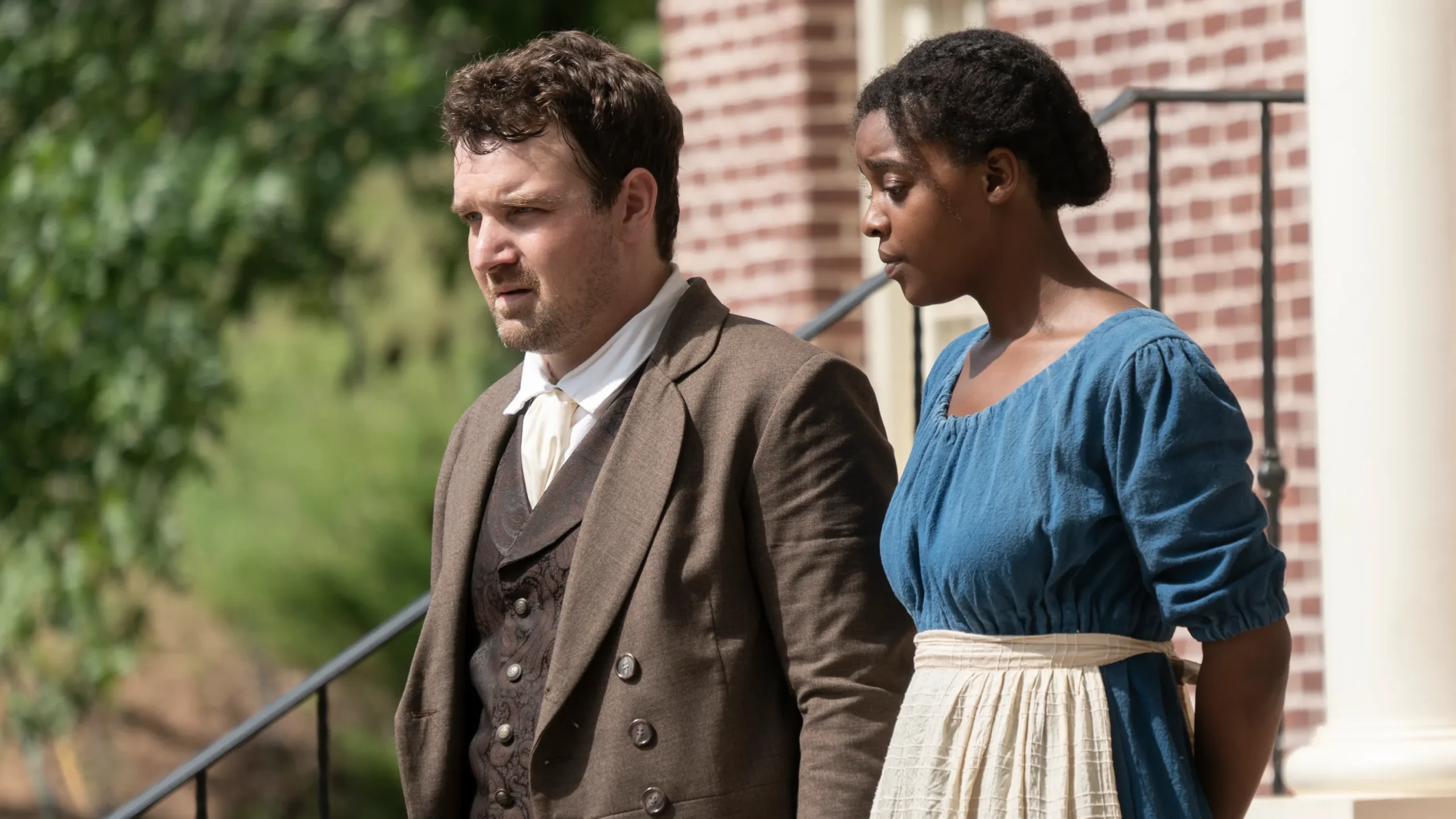
The costumes in Kindred work because they refuse to be merely decorative. They are practical, repeated, worn, and heavily coded by labor. Yet within that discipline, they become visually haunting. The indigo dresses worn by the enslaved women are not designed to stand apart as individual fashion statements; they are designed to express the systems that constrain the people wearing them.
That is exactly why they stay with the viewer. Color in Kindred is not about glamour. It is about endurance. The blue of indigo reads as historical, material, and emotional all at once. It suggests work, scarcity, dignity, repetition, and memory — all while reinforcing the series’ larger preoccupation with time, ancestry, and the violence embedded in inherited structures.
The Designers Behind the Look

Image: Jaclyn Banner, costume designer for Kindred.
Jaclyn Banner
Jaclyn Banner helped shape Kindred’s visual language through costumes that feel lived-in, historically grounded, and emotionally immediate. Her work emphasizes how garments can express labor, limitation, and daily reality without losing visual nuance.
In the series, that approach is especially visible in the indigo dresses worn by the enslaved women. Through repetition, wear, and material restraint, Banner’s work helps make the plantation world feel physical rather than distant.
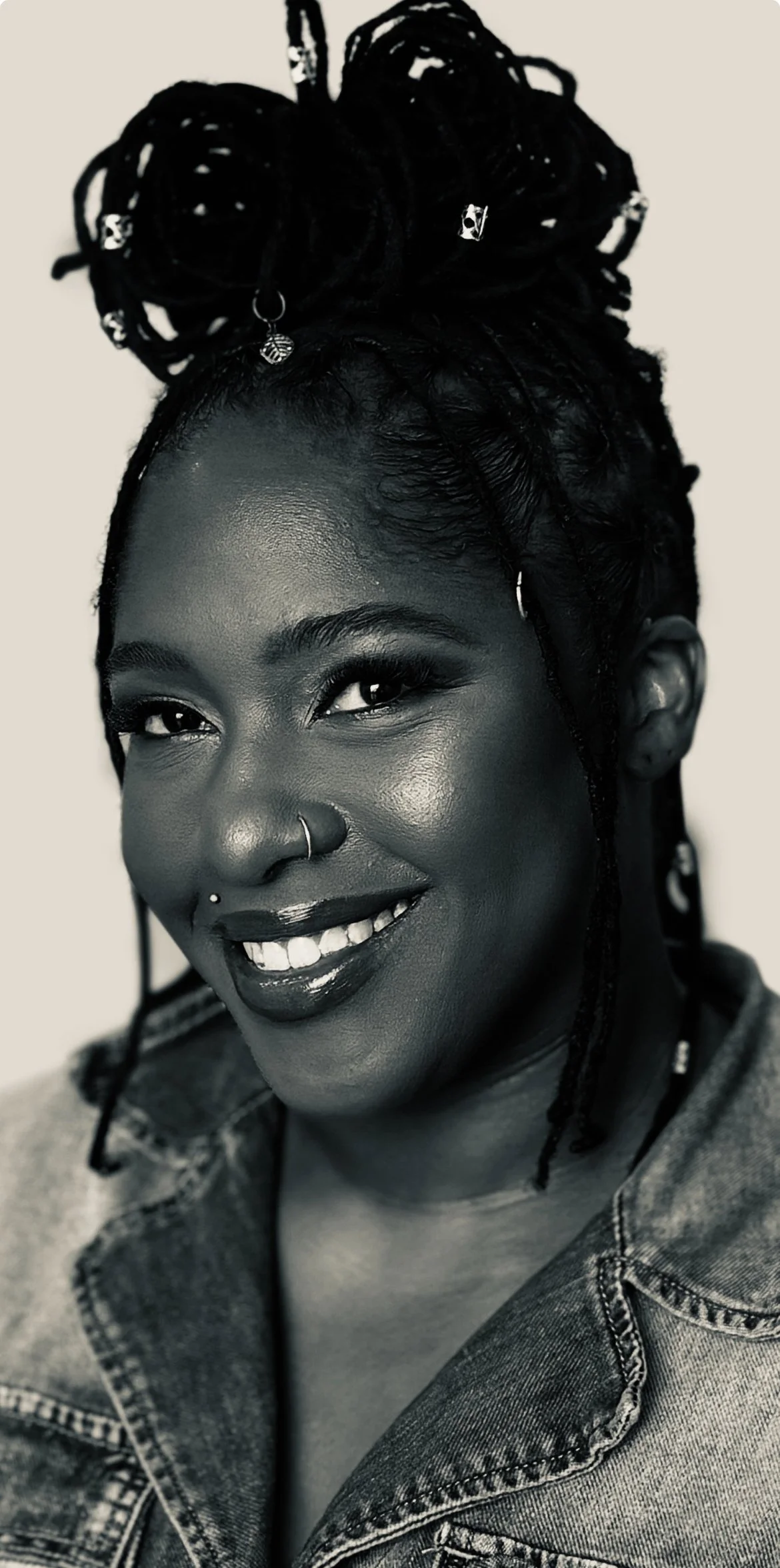
Image: Nicky Smith, costume designer for Kindred.
Nicole “Nicky” Jescinth Smith
Nicky Smith’s contribution to Kindred helped support the broader costume world of the series, where class, time, and social structure needed to read immediately through dress. The wardrobe had to feel coherent across both historical and modern spaces.
Together, Banner and Smith shaped a costume language that is not just period-correct, but narratively active — using silhouette, fabric, and color to communicate hierarchy, history, and emotional unease.
The Story Behind the Costume
One of the most memorable costume achievements in Kindred is the wardrobe built for the enslaved women on the plantation. More than a handful of standout garments, these costumes create an entire visual system. The dresses need to feel historically rooted, visually coherent, and physically workable for filming, while also carrying the emotional charge of a story built around time travel, ancestry, and inherited trauma.
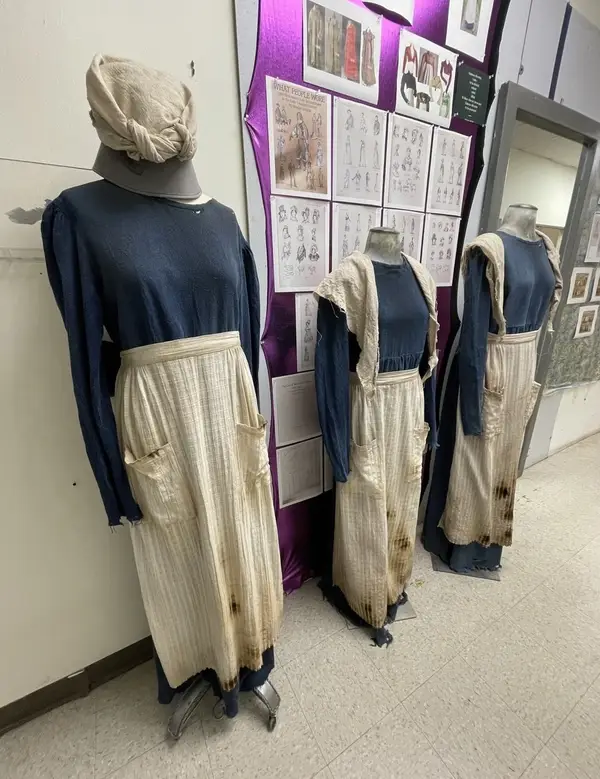
Because the story is set in a period when enslaved people were often given only a limited amount of leftover fabric by plantation owners to make their own clothing, Jaclyn Banner and her team were intentional about finding textiles that reflected that reality. The fabric needed to feel historically believable, including the coarse hand associated with materials available at the time. Among the key builds were 100 muslin dresses, each requiring careful consideration.
Banner’s team spent significant time developing the right shade of blue for those dresses, aiming for tones that not only complemented each actor’s skin tone but also worked harmoniously with the production’s set design. Every detail was considered in the build process, including seasonal variation: one version was created for winter and another for summer, each with a different silhouette. The summer dress leaned slightly more teal-blue, while the winter version carried a deeper indigo tone — a truer, richer blue.
That challenge becomes even more interesting when you consider what the show demands emotionally. Kindred is a time-travel story, but its costumes cannot feel fantastical. They have to make the past feel immediate, physical, and oppressive. The dresses communicate labor not through exaggeration, but through fabric choice, color, and wear. They suggest garments made under limitation, worn repeatedly, washed, faded, repaired, and worked in.
The indigo itself is crucial. It gives the wardrobe a visual unity, but not a sterile one. Blue in Kindred feels earthy and used, not ornamental. It reads as workwear, as social position, as inherited condition. That is what makes the costumes so effective: they are emotionally legible before a word is spoken.
“In Kindred, indigo does not simply dress the body — it carries labor, memory, and history.”
Garment District News editorial takeaway.
Technical Breakdown
Textile
The visual language of the plantation dresses depends on humble, work-ready fabric with enough body to read historically on screen while still moving naturally on the actors. Jaclyn Banner and her team specifically searched for textiles that reflected the reality of limited leftover cloth, with the coarse hand associated with the period. Among the most important builds were 100 muslin dresses.
Dye / Color Story
Indigo is the emotional center of these costumes. Banner’s team spent significant time finding the right blue, developing tones that would flatter each actor’s skin tone while also working with the production design. Seasonal variation mattered too: the summer dresses leaned more teal-blue, while the winter versions carried a deeper, truer indigo.
Construction
The silhouette language favors practical dresses, aprons, layering, and repetition rather than high-variation costume spectacle. This repetition is part of the storytelling: the costumes show restricted choice, labor routine, and the social systems surrounding the characters. Seasonal builds were also considered, with distinct summer and winter silhouettes.
Processing / Finish
The most important finish in Kindred is wear. These garments need to look washed, worked in, sun-affected, and repeatedly handled. The surface treatment is less about overt distress and more about convincing lived reality, with each version supporting both climate and character presence.

Material and Cultural Context
Indigo carries a long and complicated material history, especially in relation to labor, trade, and colonial systems. In Kindred, that history is not treated as abstract background. It is embedded into the costume language. The dresses worn by the enslaved women become part of the series’ meditation on what it means to be physically and psychologically pulled into the past.
For Garment District News, this is where Kindred becomes especially significant. The series shows how costume can operate as cultural evidence. These garments are not just “period clothes.” They are textile storytelling: garments shaped by scarcity, labor, hierarchy, and repetition, yet still capable of expressing presence and humanity.
From Concept to Screen
Costumes had to make the plantation past feel immediate, physical, and emotionally inescapable.
Repeated indigo dresses, aprons, and layered workwear built a believable world through variation inside constraint. That included 100 muslin dresses and careful textile sourcing that reflected the limited fabric available to enslaved people.
The garments needed to feel authentic while remaining wearable and workable in a demanding filming environment, with color and silhouette adjusted for season, performer, and set harmony.
The indigo dresses became one of the series’clearest visual expressions of labor, ancestry, and historical inheritance.
Gallery
Browse the image reference strip below and open each frame in a high-detail viewer to inspect costume sketching, indigo-blue tonal variation, hand-finished construction, generational uniformity, and the patched, repaired surfaces that define the clothing world of Kindred.
Why It Endures
The costumes in Kindred endure because they prove that wardrobe can carry history without overstating itself. The indigo dresses do not ask to be admired as isolated fashion objects. They ask to be understood as material evidence: of work, of limitation, of inherited trauma, and of lives lived under pressure. That is what makes them so powerful. They are visually beautiful, but their beauty is inseparable from what they are meant to reveal.