
A Custom AI Stack for Media + Fashion: How Integrated Intelligence Is Reshaping Creative and Commercial Workflows
By Garment District News — Technology, Media & Fashion Innovation
As artificial intelligence moves from experimentation to daily operations, organizations operating at the intersection of media and fashion face a unique opportunity. Unlike traditional retailers or publishers, media-fashion ecosystems combine storytelling, visual production, product development, and audience engagement — all areas where AI can deliver measurable value.
For companies building platforms that span editorial content, design inspiration, industry intelligence, and commerce — such as digital magazines, creative studios, and fashion media brands — the most effective strategy is not adopting a single tool, but creating a coordinated AI stack that supports the full workflow from concept to consumer.
The future belongs to organizations that treat AI not as a novelty, but as infrastructure.
The Media–Fashion Convergence: Why AI Matters Now
Media and fashion have always influenced each other, but the pace of production has accelerated dramatically. Editorial teams must generate content continuously, designers must respond to rapid trends, and audiences expect personalized experiences across platforms.
AI enables organizations to:
- Produce content faster without sacrificing quality
- Analyze audience behavior and predict interests
- Accelerate visual concept development
- Optimize marketing performance
- Improve operational efficiency
For hybrid organizations — including digital magazines, fashion brands, and creative platforms — this integrated approach creates a competitive advantage.
Creative Intelligence: Design, Visuals, and Story Development
Generative AI tools are transforming the earliest stages of the creative process. Designers, editors, and marketing teams can rapidly explore visual directions, develop mood boards, and test concepts before committing to production.
AI-powered design platforms allow teams to:
- Generate fashion concepts and editorial imagery
- Prototype garment ideas digitally
- Create marketing visuals and campaign assets
- Develop storyboards for multimedia content
Rather than replacing creative professionals, these tools function as accelerators — expanding ideation while reducing time and cost.


Editorial and Content Production: AI as a Publishing Engine
For media organizations, AI dramatically improves content workflows. Writing assistants, research tools, and automated editing systems allow editorial teams to focus on storytelling and analysis rather than repetitive production tasks.
AI can support:
- Article drafting and editing
- Research summarization
- SEO optimization
- Social media content creation
- Newsletter personalization
This efficiency is particularly valuable for niche publications covering complex industries such as textiles, supply chains, and fashion technology.
Audience Intelligence and Personalization
Understanding audience behavior is critical for both media growth and fashion marketing. AI analytics platforms can interpret engagement data across websites, apps, and social channels to identify patterns and opportunities.
Capabilities include:
- Predicting content interests
- Recommending personalized articles or products
- Optimizing advertising performance
- Identifying emerging audience segments
For organizations building communities — not just audiences — these insights help strengthen loyalty and engagement.


Fashion Intelligence: Forecasting and Trend Analysis
In fashion, timing is everything. AI-driven forecasting tools analyze consumer behavior, retail data, and cultural signals to anticipate trends before they peak.
These platforms help organizations:
- Predict product demand
- Identify emerging styles
- Optimize inventory planning
- Reduce overproduction risk
- Align editorial content with consumer interest
For media companies covering fashion, forecasting intelligence also informs editorial strategy — allowing publications to anticipate topics that audiences will care about months in advance.
Operations and Business Automation
Behind the scenes, AI also improves operational efficiency. Workflow automation tools streamline administrative processes, project management, and communication across teams.
Organizations can automate:
- Scheduling and task coordination
- Customer service responses
- Advertising placement optimization
- Financial forecasting and reporting
- CRM and lead management
Automation frees teams to focus on strategic and creative work rather than repetitive tasks.


Commerce and Monetization Opportunities
For media companies expanding into commerce — including branded merchandise, digital products, or sponsored content — AI enhances revenue potential.
Applications include:
- Product recommendation engines
- Dynamic pricing optimization
- Marketing campaign targeting
- Conversion rate optimization
- Sponsorship performance analytics
This convergence of media and commerce is increasingly common, particularly in fashion ecosystems where storytelling directly influences purchasing behavior.
Building the Right AI Stack: Integration Over Complexity
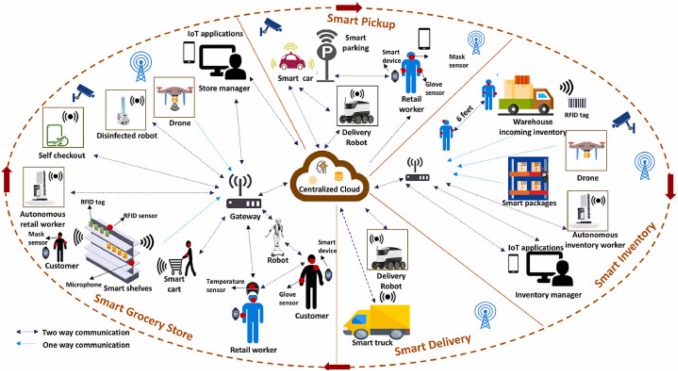
The most successful AI strategies prioritize interoperability rather than complexity. Instead of deploying dozens of disconnected tools, organizations should focus on platforms that integrate smoothly into existing workflows.
A practical media-fashion AI stack typically includes:
- Creative generation tools
- Content production assistants
- Analytics and audience intelligence platforms
- Forecasting and trend analysis tools
- Automation and workflow systems
The goal is a connected ecosystem where information flows seamlessly between departments.
Human Creativity Remains the Core Advantage
Despite rapid technological advancement, AI does not replace creative vision, editorial judgment, or strategic leadership. Instead, it enhances human capability by removing friction and expanding possibilities.
Organizations that combine human creativity with intelligent technology gain:
- Faster production cycles
- Better decision-making
- Stronger audience engagement
- Greater innovation capacity
The Strategic Future: Media and Fashion Powered by Intelligence
As industries continue to merge, the line between media company and fashion brand is becoming increasingly blurred. Content drives commerce, and commerce fuels content.
AI sits at the center of this transformation.
For media-fashion organizations willing to adopt integrated AI systems, the opportunity is not simply efficiency — it is the ability to create smarter, faster, and more connected experiences that redefine how audiences engage with style, storytelling, and culture.
Quick Visual Breakdown
1️⃣ Demand Forecasting & Inventory Optimization (Highest ROI First)
These are usually the best starting point for fashion brands.
Top Platforms
- Heuritech — AI trend forecasting from social media and consumer data
- Stylumia — Demand sensing and assortment planning
- Algo — AI demand planning and pricing optimization
- Syrup Tech — Apparel forecasting at size/style/location level
- Intuendi — Forecasting + inventory optimization
AI forecasting tools analyze sales data, trends, and product attributes to improve buying accuracy and reduce overproduction.
Several platforms — including Heuritech, EDITED, Stylumia, and others — are widely recognized as leading fashion forecasting tools.
👉 Best for:
- Brands with inventory challenges
- Retailers with seasonal demand
- Omnichannel businesses
2️⃣ Procurement & Strategic Sourcing AI
Great for companies managing suppliers, factories, or materials.
Top Platforms
- Coupa — Enterprise procurement AI platform
- SAP Ariba — Supplier network + sourcing intelligence
- Zip — Intake-to-procure automation
- Zycus — AI sourcing and contract management
- Leverage AI — Procurement automation
- IBM Sterling — Supply chain intelligence
Modern procurement platforms use AI to reduce manual work, accelerate sourcing cycles, and improve supplier management visibility.
Leading solutions in the market include Coupa, Ivalua, Oro Labs, Zip, and others.
👉 Best for:
- Manufacturing brands
- Textile sourcing companies
- Larger organizations with supplier complexity
3️⃣ Fashion Design & Product Development AI
These tools speed up creative workflows and reduce sampling costs.
Examples
- NewArc.ai — AI fashion design generation
- Adobe Firefly — Generative design + content
- Midjourney / DALL·E — Concept and inspiration visuals
- WGSN AI tools — Trend intelligence
AI design tools can dramatically shorten development cycles and reduce prototyping costs by generating production-ready visuals quickly.
👉 Best for:
- Designers
- Costume teams
- Apparel startups
- Marketing departments
4️⃣ Retail Personalization & Merchandising AI
These platforms improve customer experience and increase sales.
Examples
- Stylitics — Outfit recommendations & styling AI
- Crescendo.ai — AI sales assistant
- Vue.ai — Product tagging and personalization
- Dynamic Yield — E-commerce personalization
AI personalization helps brands align inventory with real-time shopper behavior and improve conversion rates.
5️⃣ Supply Chain & Operations Intelligence
Useful for logistics, warehouse, and planning optimization.
Examples
- ThroughPut AI — Inventory and supply chain optimization
- Bucephalus AI — Apparel supply chain platform
- Swap — AI logistics and inventory platform
AI supply chain tools analyze historical and real-time data to reduce stockouts and improve working capital efficiency.
⭐ Our Recommended Starting Stack (Realistic for Most Fashion Companies)
If you want a practical approach:
Beginner / Small–Mid Brand
- Forecasting: Stylumia or Intuendi
- Design: Adobe Firefly or Midjourney
- Operations: ThroughPut AI
Mid–Large Company
- Forecasting: Heuritech or Algo
- Procurement: Coupa or SAP Ariba
- Supply Chain: IBM Sterling or ThroughPut
Media / Magazine / Creative (Like GDN)
- Adobe Firefly
- ChatGPT / Claude
- Midjourney
- Notion AI
⭐ Important Reality: AI Success Depends on Data
No platform works well without:
- Clean inventory data
- Product information
- Sales history
- Supplier records
This is the biggest factor in success — not the tool itself.