




Founded in 1896, Parsons School of Design is one of the most widely recognized institutions in design education. Located primarily in New York City and operating internationally through Parsons Paris, the school functions as a division of The New School, a private university known for interdisciplinary and socially engaged learning.
Over more than a century, Parsons has developed programs that span fashion, textiles, product design, architecture, urban studies, digital media, and strategic design. Its curriculum reflects the evolving relationship between creativity, technology, manufacturing, and global industry systems.
Institutional Structure and Academic Approach
Parsons operates within a university model rather than as a standalone art academy. This structure allows students to combine design studies with coursework in social science, business, media, and humanities.
Academic programs emphasize:
- Studio-based learning
- Research-driven design processes
- Critical theory and cultural analysis
- Project documentation and presentation
- Interdisciplinary collaboration
Most courses are organized around iterative project development, where students move from concept research to prototyping and final execution. Evaluation typically includes visual outcomes, written analysis, and public critiques.
Programs Relevant to Garment, Textile, and Production Fields
Parsons offers several degree tracks that intersect directly with the garment and textile industries:
Fashion Design and Systems
Programs focus on:
- Pattern development and garment construction
- Textile experimentation
- Digital design tools
- Sustainability frameworks
- Production workflows
Students often engage in both conceptual and technical work, combining design aesthetics with fabrication methods.
Textiles and Materials
Textile-focused courses address:
- Fiber science fundamentals
- Weaving, knitting, and surface design
- Dyeing and finishing processes
- Smart textiles and material innovation
- Sustainable sourcing
This area integrates traditional craftsmanship with contemporary manufacturing and material research.
Product and Industrial Design
These programs explore:
- Manufacturing systems
- Material selection
- Ergonomic design
- Prototyping technologies
- Supply-chain considerations
Though not garment-specific, these disciplines overlap with apparel equipment, wearable technology, and production tools.
Strategic and Systems Design
These programs examine:
- Business models
- Circular economy practices
- Logistics and sourcing
- Policy and ethics
- Organizational design
This track is increasingly relevant for professionals working at the intersection of design, manufacturing, and distribution.
Teaching Model and Studio Culture
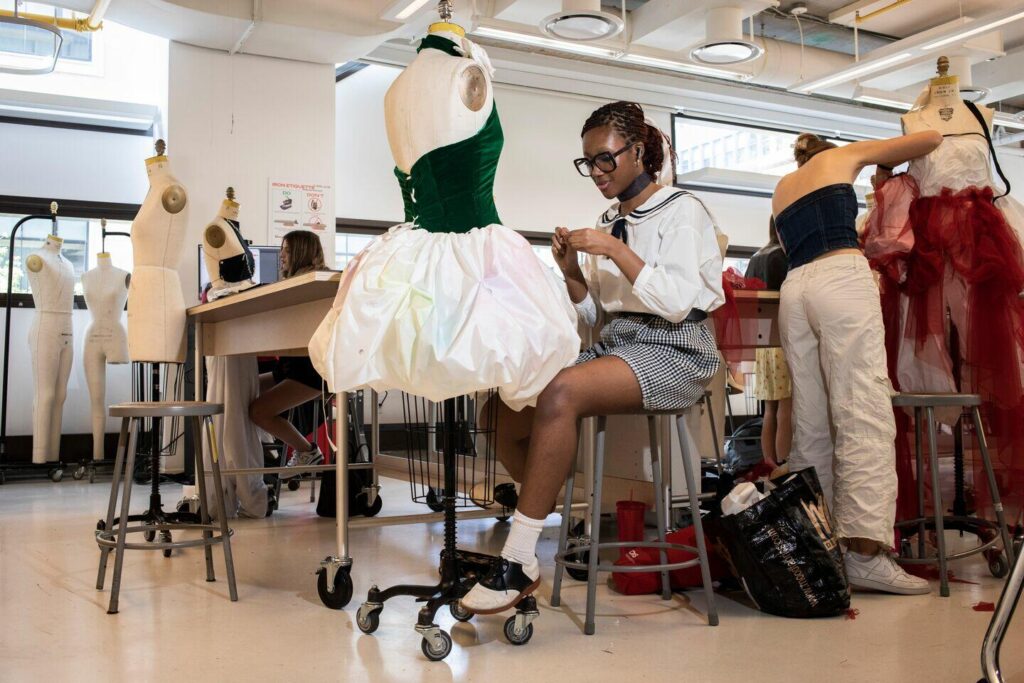
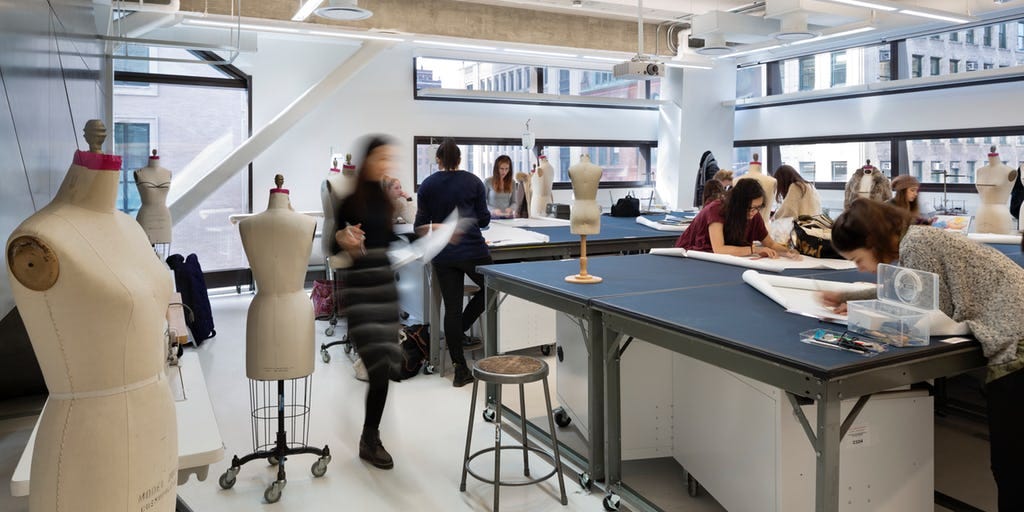
Instruction at Parsons is centered on studio environments, where students spend extended hours developing projects under faculty supervision. Courses typically combine:
- Lectures and readings
- Technical workshops
- Peer critique sessions
- Portfolio reviews
- Industry-oriented assignments
Faculty members often include practicing designers, researchers, and consultants. Many courses integrate case studies drawn from real-world manufacturing and branding contexts.
Critique culture is a central feature. Students present work publicly and receive structured feedback from instructors and peers, reinforcing professional presentation standards.
Industry Engagement and Professional Context
Parsons maintains connections with a wide range of creative and industrial organizations. These relationships support:
- Internship placements
- Sponsored studio projects
- Guest lectures
- Collaborative research
- Exhibition opportunities
In fashion and textiles, partnerships frequently involve brands, suppliers, and manufacturing groups. Students may work on briefs related to production constraints, sustainability metrics, or market analysis.
These engagements are designed to expose students to practical realities such as cost structures, material sourcing, compliance requirements, and distribution models.
Research, Sustainability, and Ethics
A major emphasis within Parsons’ curriculum is sustainability and social responsibility. This includes:
- Life-cycle analysis of materials
- Waste-reduction strategies
- Ethical labor frameworks
- Circular design models
- Environmental impact studies
Research centers and faculty-led initiatives examine how design interacts with climate policy, labor practices, and resource management. In textile and apparel education, this often translates into coursework focused on traceability, biodegradable fibers, and low-impact production.
Facilities and Technical Resources
Parsons operates specialized facilities that support hands-on production, including:
- Textile and weaving studios
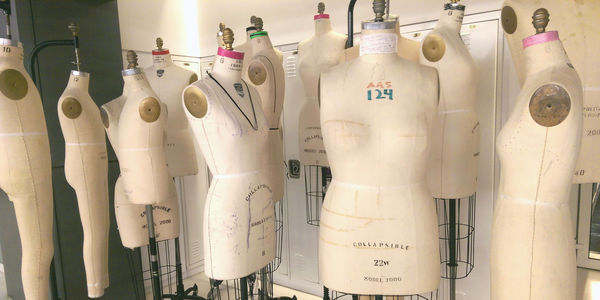
- Patternmaking and sewing labs
- Digital fabrication labs
- Dye and surface design workshops
- Material libraries
These spaces are structured to simulate professional environments, allowing students to work with industrial-grade equipment and digital design systems.
Access to these facilities is integrated into coursework, reinforcing technical proficiency alongside conceptual development.
Global and Urban Context
Being located in New York City situates Parsons within a major hub for fashion, media, and manufacturing coordination. This urban context provides proximity to:
- Garment District suppliers
- Showrooms and trade offices
- Production intermediaries
- Design consultancies
- Cultural institutions
Parsons Paris extends this model into the European fashion and design ecosystem, offering students exposure to international production and retail networks.
Admissions, Assessment, and Academic Standards
Admission to Parsons is competitive and portfolio-based. Applicants are evaluated on:
- Creative work samples
- Academic preparation
- Written statements
- Technical skills
- Conceptual thinking
Once enrolled, students are assessed through project submissions, critiques, research papers, and portfolio reviews. Progression depends on meeting both creative and academic benchmarks.
Role Within Design Education
Within the broader landscape of design education, Parsons functions as a hybrid institution—bridging fine arts traditions, industrial design systems, and contemporary digital practices.
Its educational model reflects several trends shaping modern creative training:
- Integration of design and data
- Emphasis on sustainability metrics
- Focus on interdisciplinary problem-solving
- Alignment with global supply chains
- Documentation-driven workflows
For the garment and textile sector, this approach connects creative development with production realities, regulatory considerations, and material science.
Conclusion
Parsons School of Design represents a long-standing academic model for training designers, researchers, and creative professionals within complex industrial systems. Its programs emphasize research, material literacy, technical execution, and critical analysis alongside traditional studio practice.
For professionals and students studying the structure of design education, Parsons offers an example of how creative training can be embedded within broader economic, technological, and environmental frameworks—linking design thinking to manufacturing, supply chains, and cultural production.