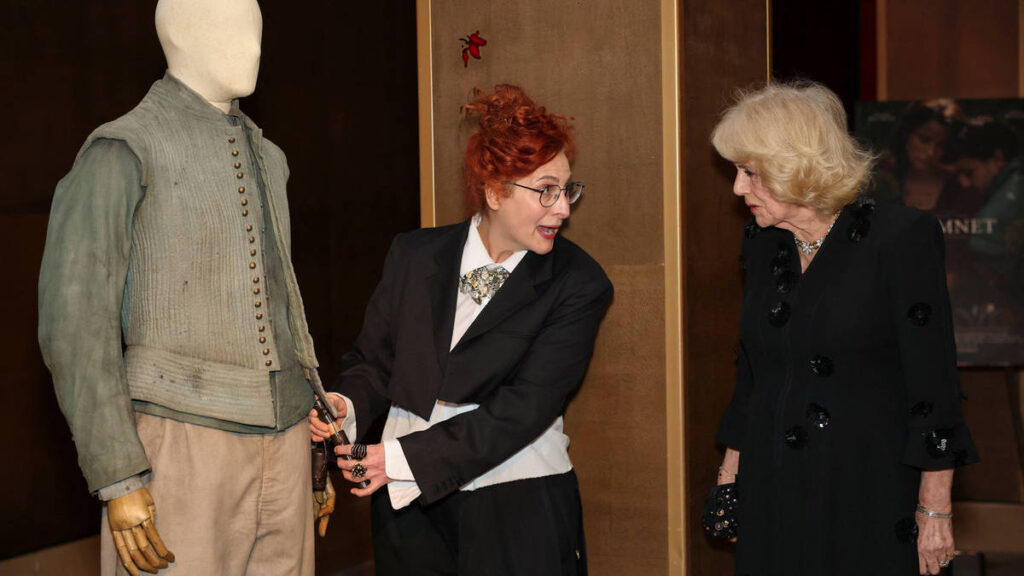


For an industry built on spectacle, storytelling, and visual identity, it is striking that costume design—one of cinema’s most powerful narrative tools—went unrecognized by the Academy for nearly two decades. Today, Best Costume Design stands as one of the most respected creative honors in film. But its journey to legitimacy was anything but immediate.
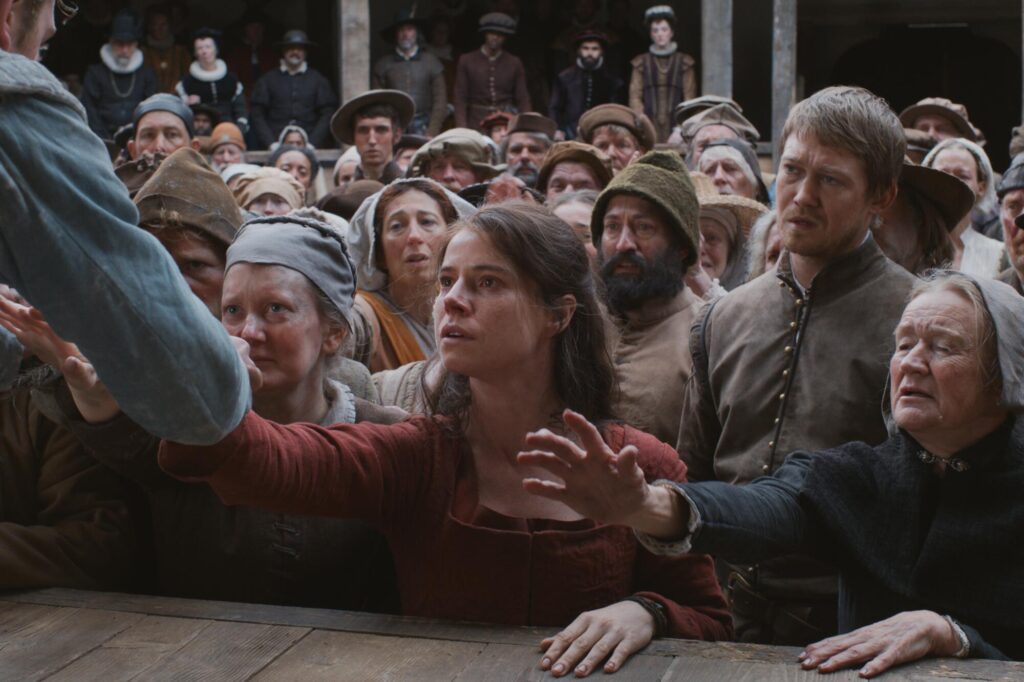
As contemporary projects like Hamnet gain awards attention, the category’s origins feel especially poetic—tracing back to a time when Shakespeare himself, through Hamlet, helped usher costume design into Oscar history.
A Late Arrival: Why Costume Design Took So Long
The Academy Awards debuted in 1929, celebrating early achievements in acting, directing, and technical filmmaking. Yet costume design—already essential in silent epics and studio-era productions—was left out.
For nearly 20 years, designers worked in the shadows of Hollywood’s glamour machine, building entire worlds through fabric, silhouette, and historical research without formal recognition.
It wasn’t until 1949, at the 21st Academy Awards, that the Academy of Motion Picture Arts and Sciences finally acknowledged costume design as a standalone art form.
1949: The First Recognition
When Best Costume Design debuted, it reflected Hollywood’s technological divide. This dual structure recognized that color and monochrome films demanded different visual strategies. Texture, contrast, and lighting mattered as much as hue.
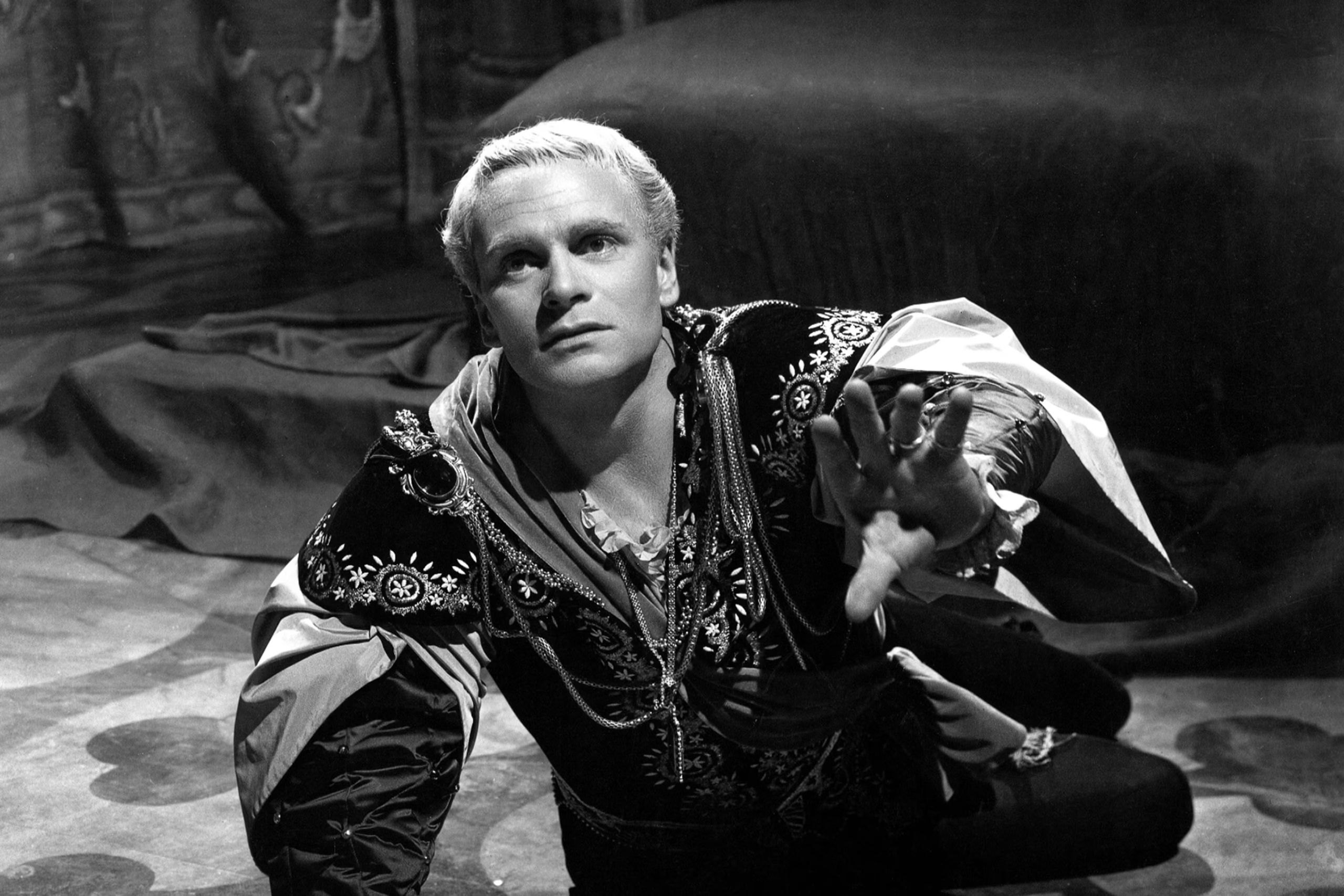
Notably, Hamlet—a Shakespeare adaptation—became part of costume design history from the very beginning.
The category was split into two:
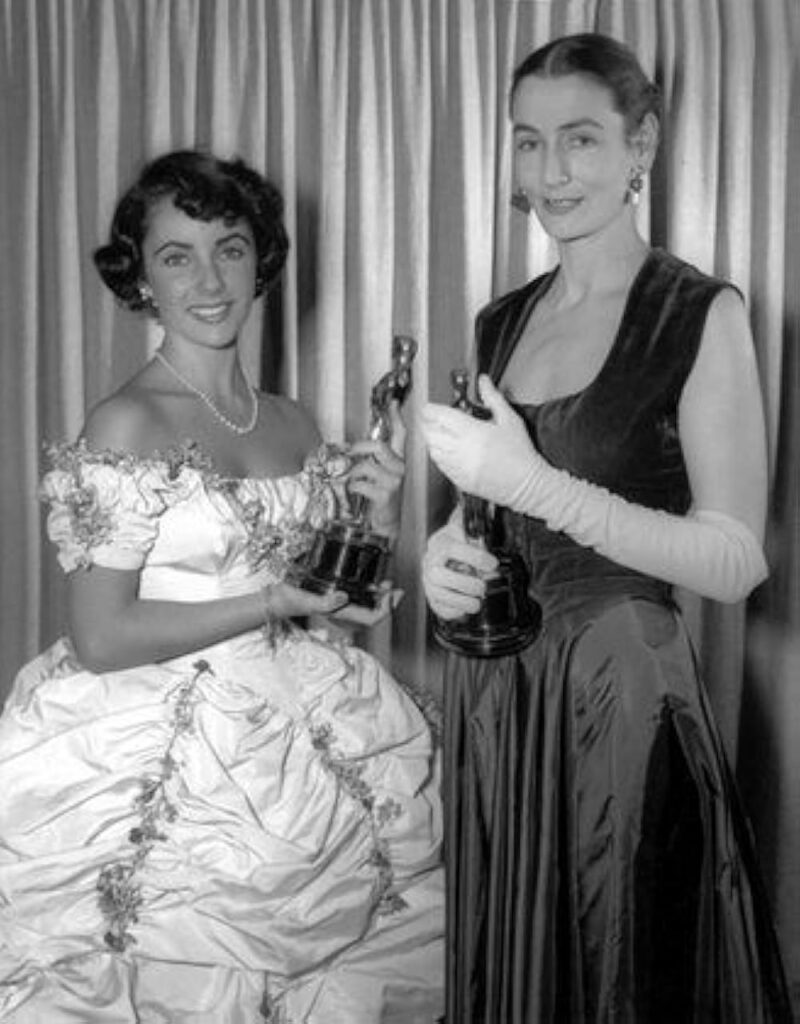
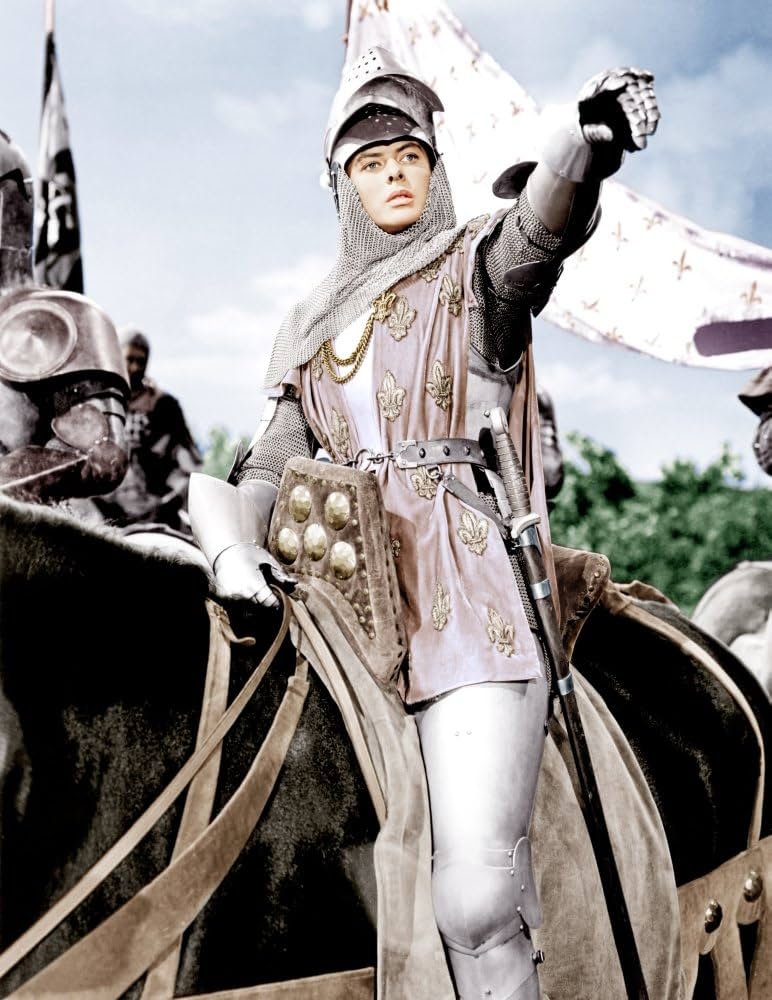
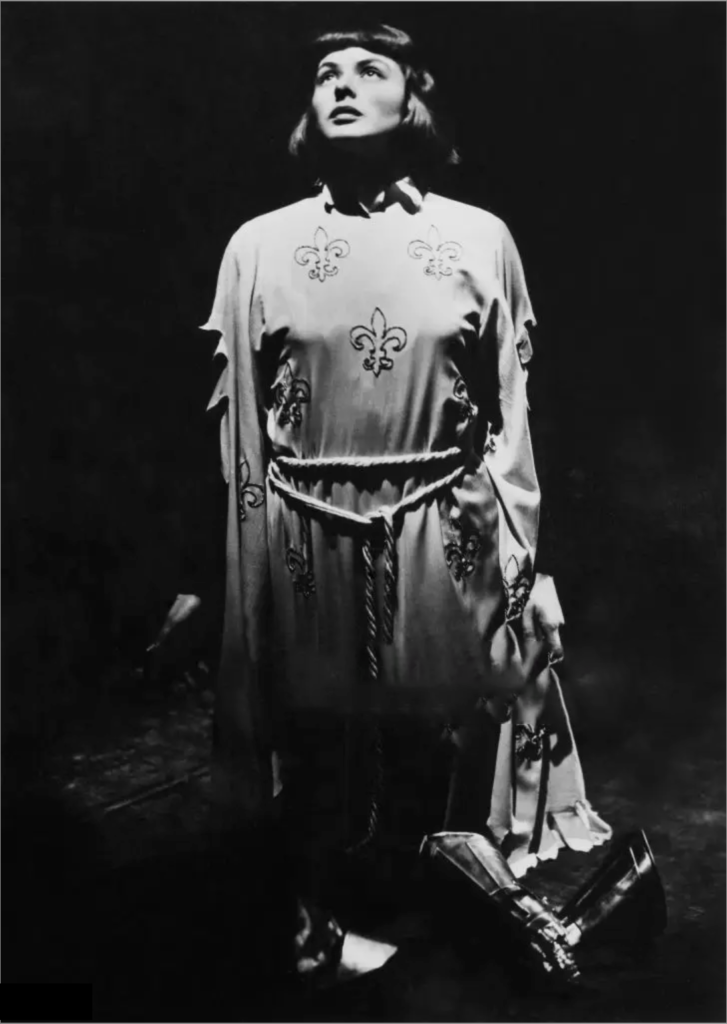
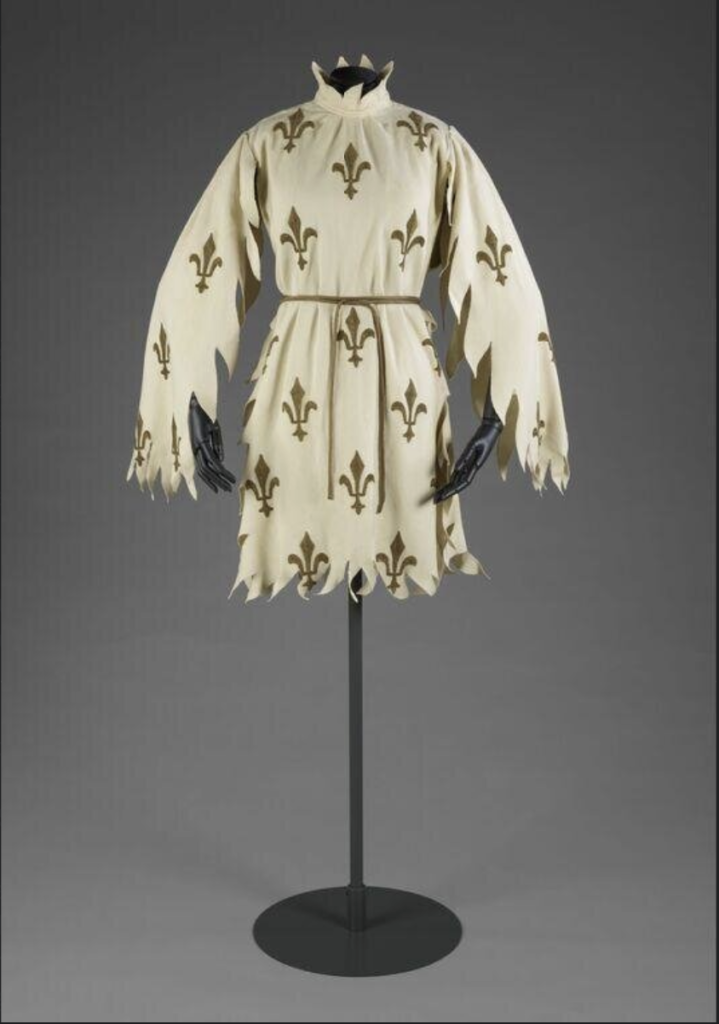
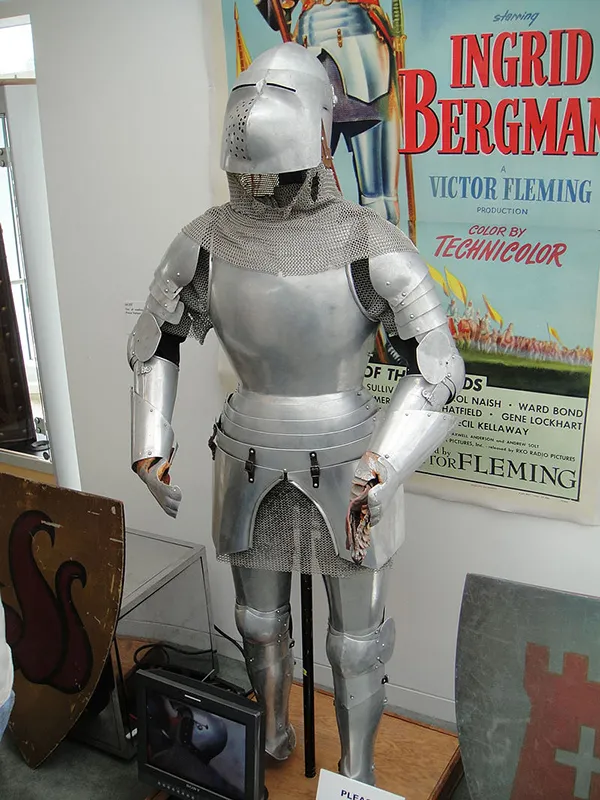
🏆 First Winner: Color Film (1949) – Joan of Arc
Designers: Dorothy Jeakins & Barbara Karinsk

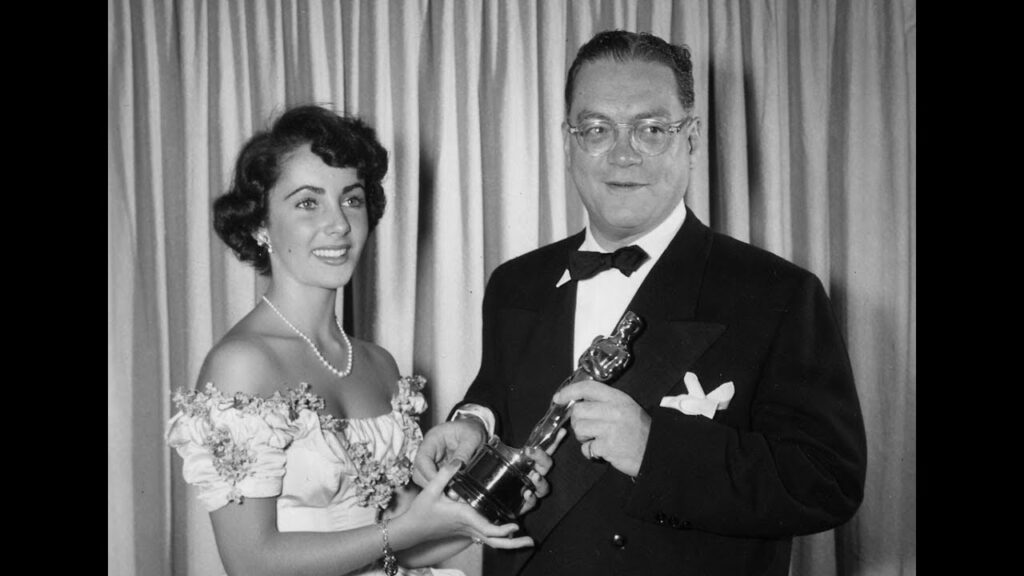
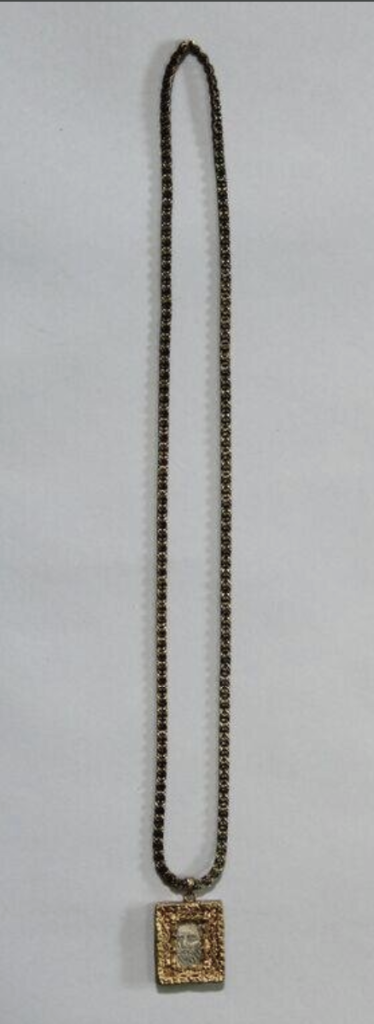
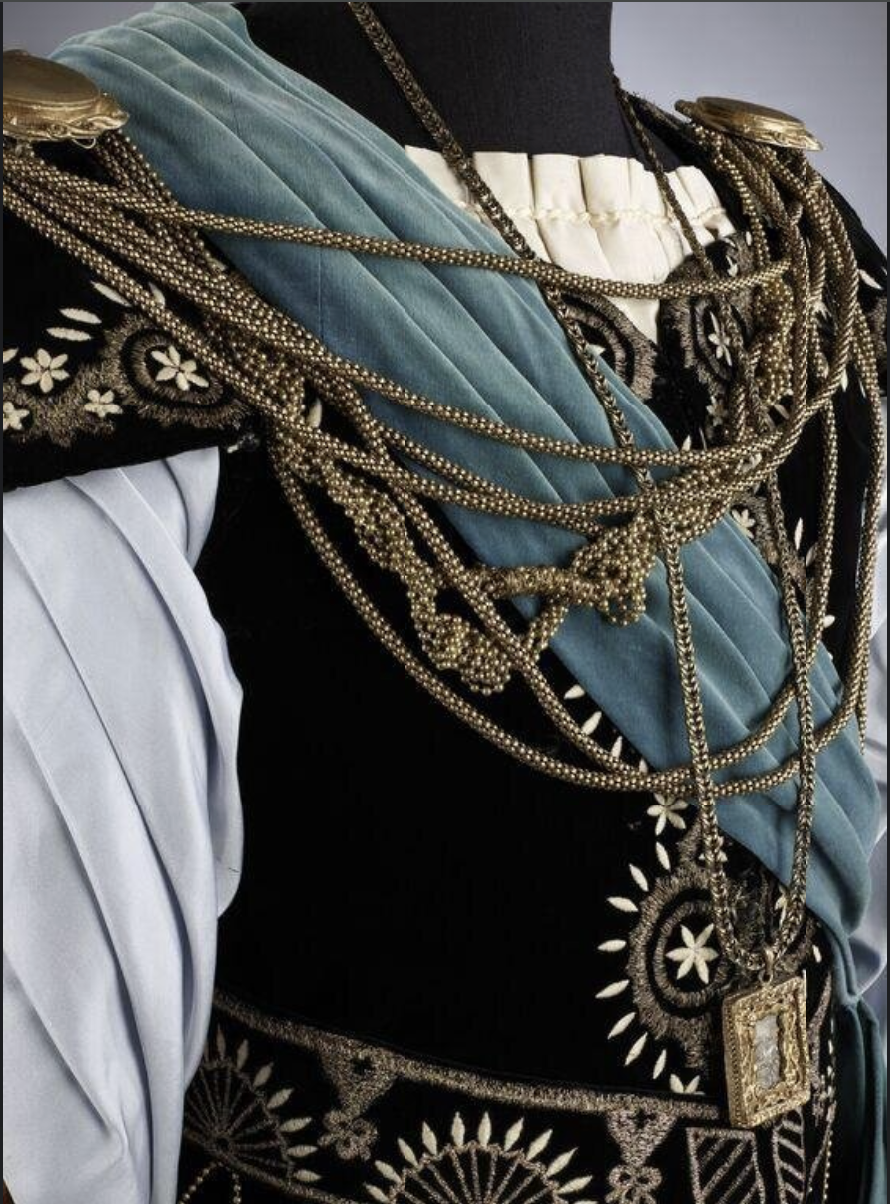
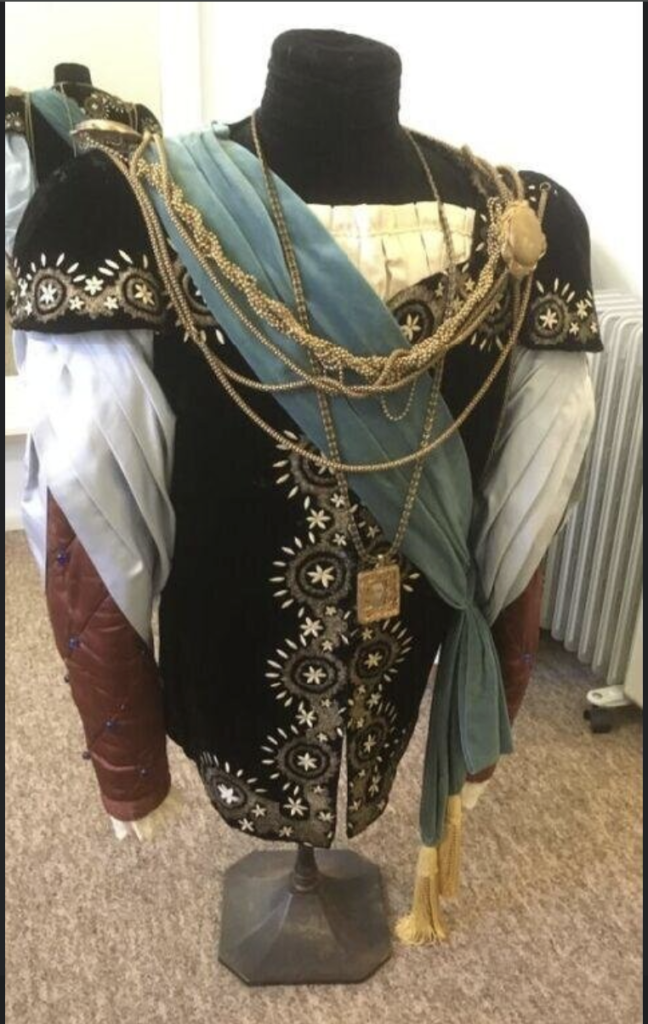
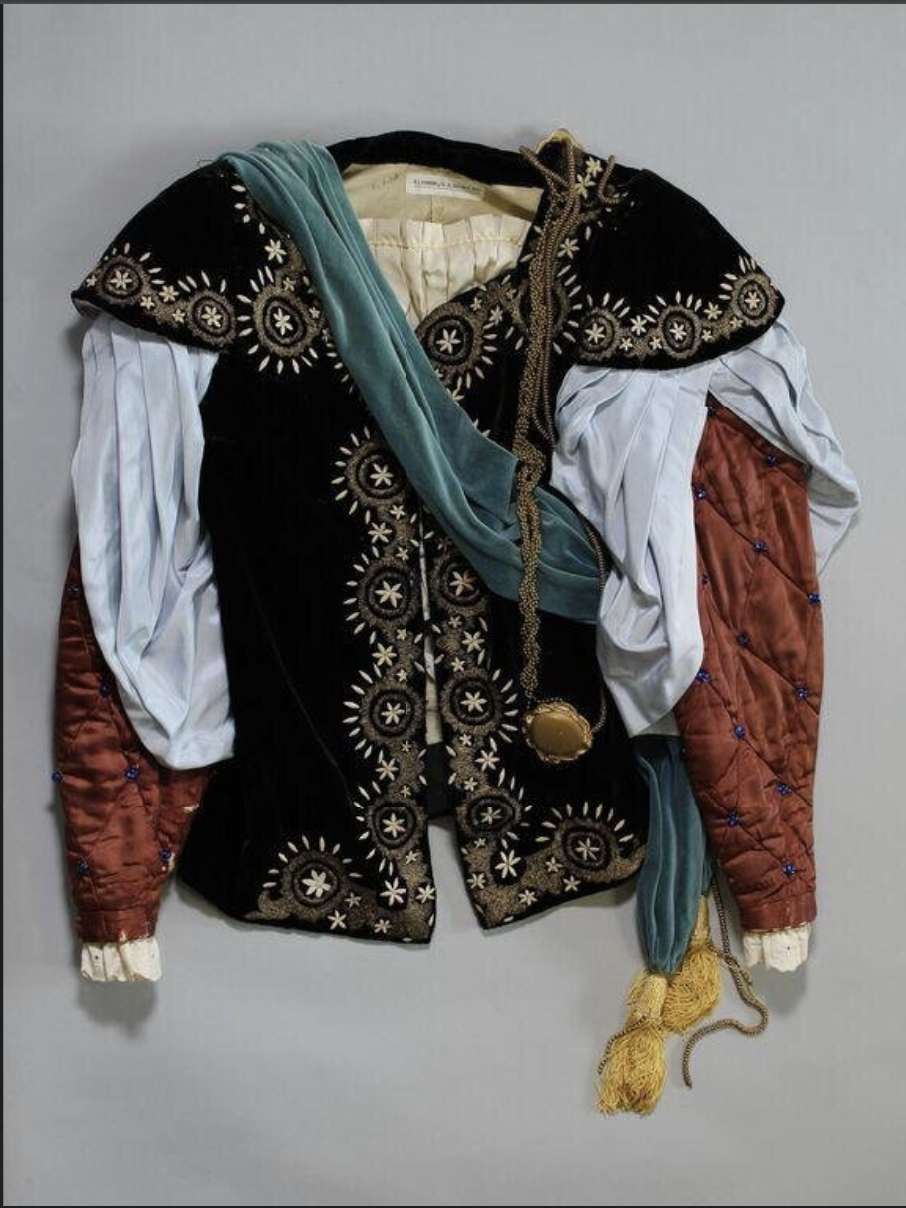
🏆 First Winner: Black and White Film (1949) – Hamlet
Designer: Roger K. Furse
After its introduction, Best Costume Design entered a period of structural experimentation.
Split Category Years
- 1949–1957
- 1960–1966
During these periods, the Academy honored:
- One winner for color films
- One winner for black-and-white films
Combined Category Years
- 1958–1959
- 1967 onward
By 1967, as black-and-white filmmaking declined, the Academy permanently merged the category into a single award—creating the format still used today.
This evolution reflected both technological change and shifting industry priorities.
The Shakespearean Echo: From Hamlet to Hamnet
More than seven decades later, the emergence of Hamnet in awards conversations feels uncannily fitting.
Maggie O’Farrell’s novel, centered on Shakespeare’s family and emotional life, reconnects modern audiences with the Bard’s legacy. That this story arrives during a period of renewed appreciation for period storytelling and historical craftsmanship mirrors the moment when Hamlet first legitimized costume design at the Oscars.
In both cases, Shakespeare becomes a symbolic bridge:
- 1949: Hamlet validates costume artistry in film.
- Today: Hamnet reflects the continued cultural power of historical narrative and visual authenticity.
It is a reminder that costume design is not merely decorative—it is interpretive, emotional, and deeply tied to storytelling tradition.
When Costume Design Was Marginalized
While the category itself was never permanently eliminated, costume design has experienced periods of diminished visibility—especially in broadcast ceremonies.
Ceremony Downgrades
Over the years, particularly in the 2000s and early 2020s, the Academy experimented with:
- Moving technical categories off the live broadcast
- Presenting awards in pre-recorded segments
- Condensing acceptance speeches
Best Costume Design was among the categories affected by these decisions, sparking backlash from designers, guilds, and filmmakers.
Critics argued that removing such awards from prime time reinforced the outdated idea that below-the-line crafts were secondary—despite being foundational to cinematic storytelling.
Public pressure eventually led to the category’s full reinstatement in live ceremonies, reaffirming its importance.
Edith Head and the Rise of the Designer as Star
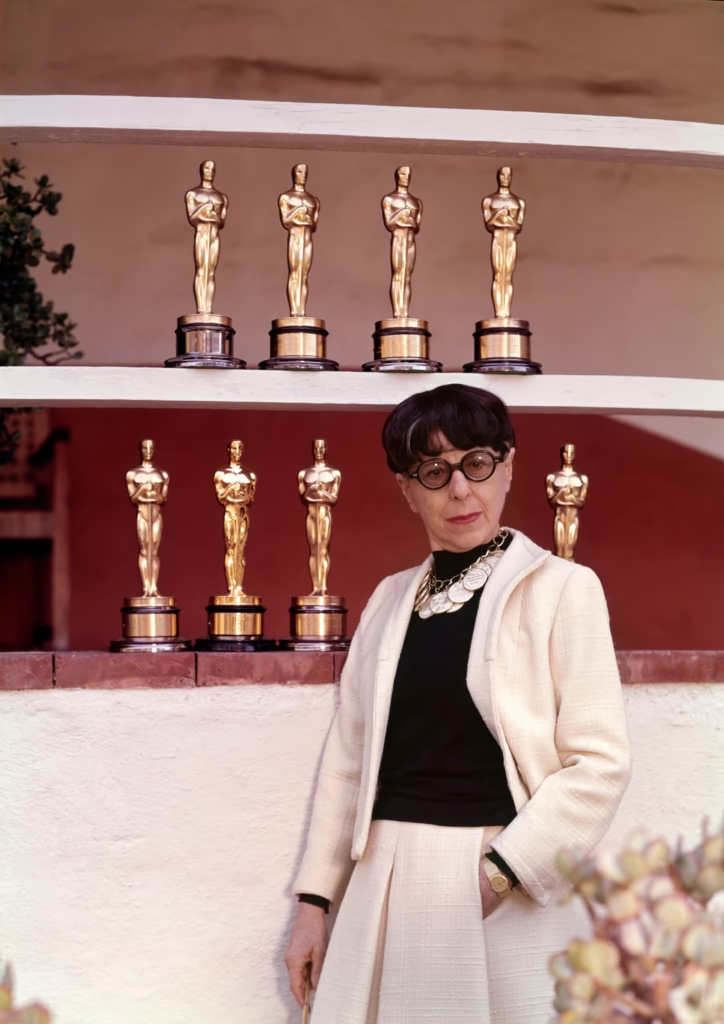
No discussion of Oscar costume history is complete without Edith Head.
- First nominee in the category’s history
- Record-holder with 8 Oscar wins
- One of the most recognizable creative figures in Hollywood
Head transformed costume designers into public-facing artists. Her influence helped legitimize the profession and paved the way for today’s celebrated designers.
She demonstrated that costumes could be:
- Character psychology
- Social commentary
- Visual branding
- Narrative architecture
All at once.
From Studio Departments to Auteur Craft
In the Golden Age, costume departments operated like factories—massive, centralized, and studio-controlled.
Over time, the role evolved:
Studio Era
- In-house designers
- Long-term contracts
- Uniform house styles
Modern Era
- Independent designers
- Research-driven realism
- Collaboration with directors and historians
- Global sourcing
Today’s winners balance authenticity, innovation, sustainability, and narrative depth—far beyond simple aesthetics.
Why It Still Matters
The late arrival of Best Costume Design reflects a broader truth: creative labor is often undervalued until audiences learn how to see it.
Costumes do not merely clothe actors. They:
- Establish time and place
- Signal power and class
- Reveal psychology
- Shape movement
- Influence audience perception
From Hamlet’s stark medieval silhouettes to the layered emotional textures of Hamnet, costume design remains one of cinema’s most quietly powerful tools.
A Category That Finally Found Its Voice
Introduced 20 years late. Split, merged, sidelined, and restored.
Yet today, Best Costume Design stands as a testament to film’s collaborative soul.
Its history tells a larger story—about recognition, respect, and the gradual understanding that cinema’s magic is built not only by stars and directors, but by artisans who work in fabric, thread, and imagination. It is a story shaped by pioneers like Edith Head, strengthened by decades of innovation, and rooted in the earliest days of cinematic prestige.
Fittingly, it all began with Shakespeare.
From Hamlet anchoring the first year of the award to modern works like Hamnet rekindling that literary and artistic lineage, costume design has remained a bridge between past and present, tradition and reinvention.
A Closing Salute to This Year’s Nominees
As this year’s nominees step into the spotlight, they do so carrying more than fabric and fittings—they carry nearly eight decades of legacy that began with Hamlet, was shaped by pioneers like Edith Head, survived years of marginalization, and emerged stronger through every reinvention of the category. From the first divided awards of 1949 to today’s unified global stage, each stitch represents a hard-won recognition of artistry.
To this year’s contenders, including those inspired by stories like Hamnet that echo cinema’s earliest triumphs: you stand in a lineage forged by history, resilience, and imagination. May your work continue to honor the craft that arrived late, endured quietly, and ultimately claimed its rightful place at the heart of filmmaking.
Garment District News wishes you every success—on Oscar night and beyond—as you write the next chapter in costume design’s extraordinary story.
Avatar: Fire and Ash – Costume Design: Deborah L. Scott


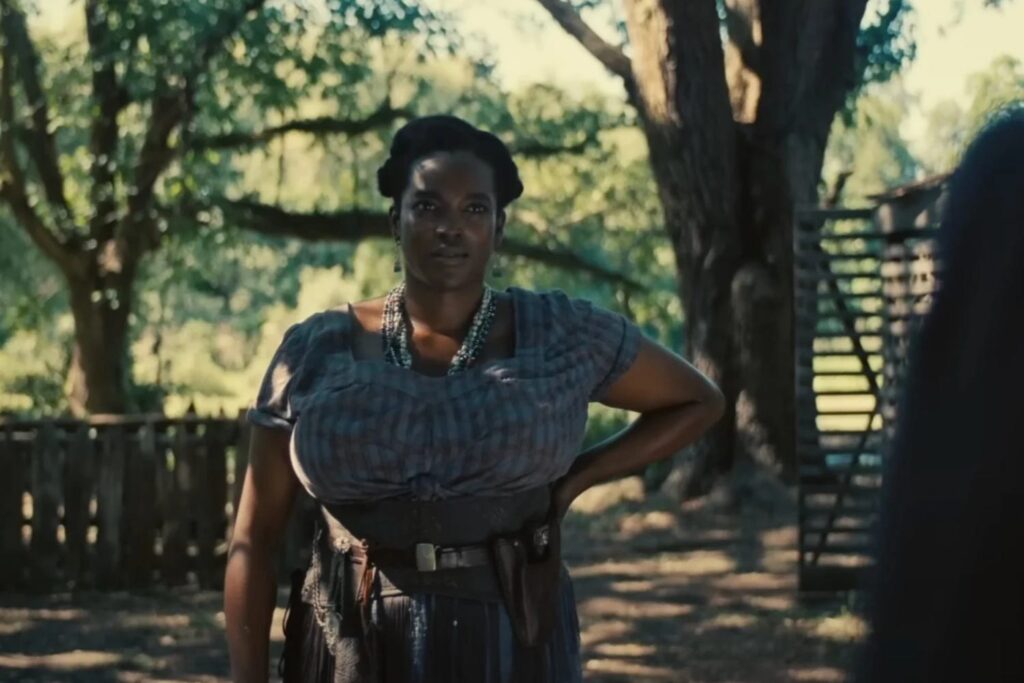
Sinners – Costume Design: Ruth Carter


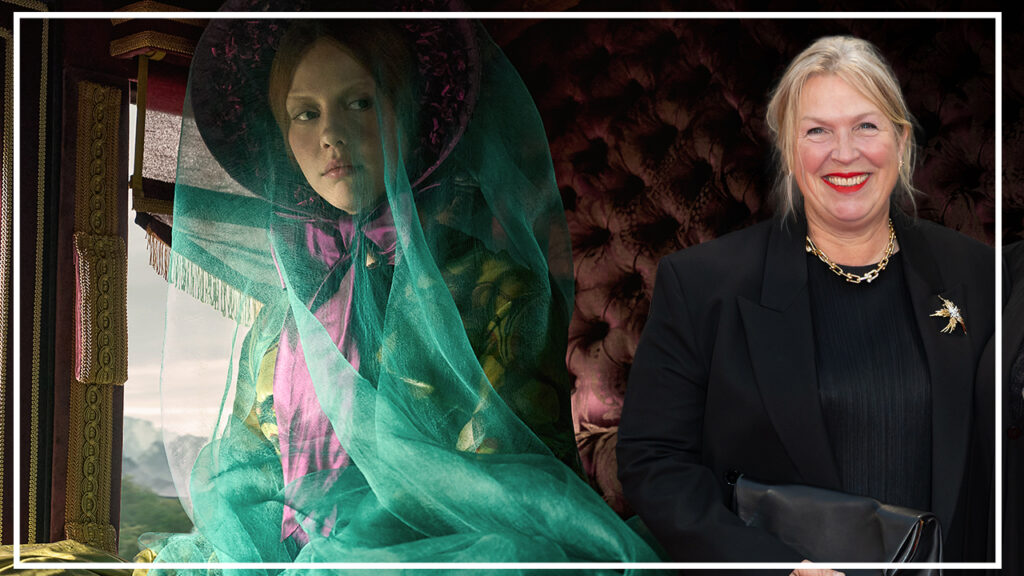
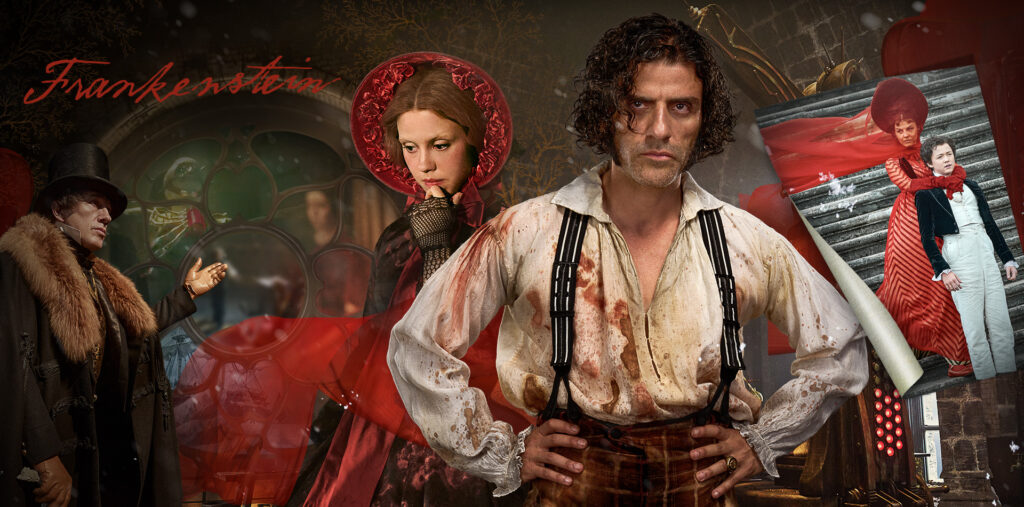
Frankenstein – Costume Design: Kate Hawley
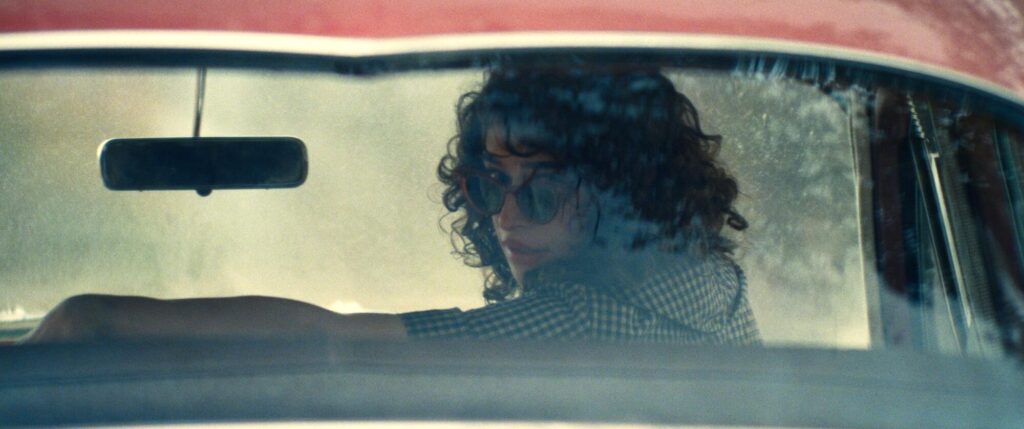
Marty Supreme – Costume Design: Miyako Bellizzi


Hamnet – Costume Design: Malgosia Turzanska