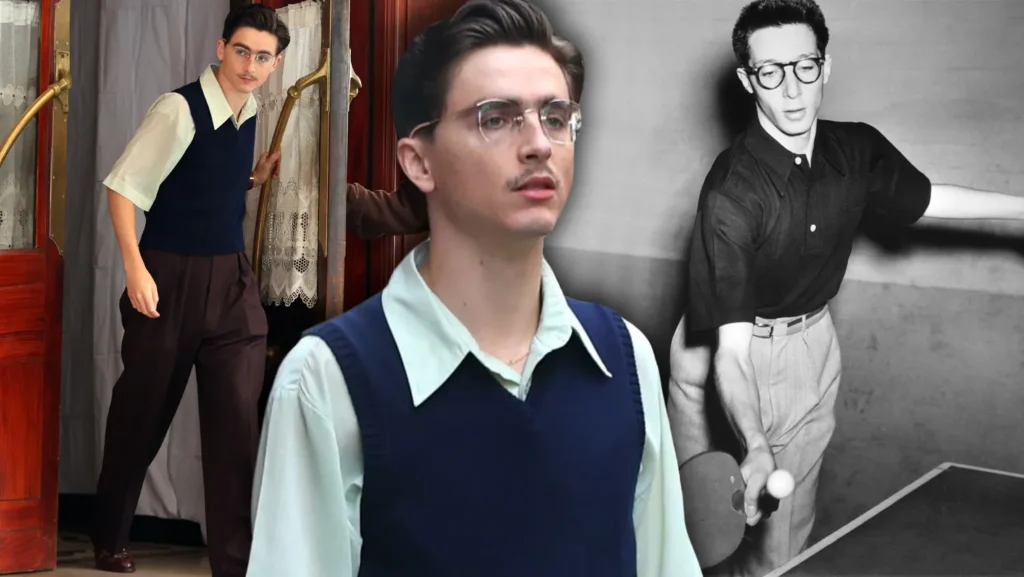
Marty Supreme — Best Costume Design
Costume design often announces itself through spectacle. In Marty Supreme, Miyako Bellizzi does something more elusive: she builds a legend from the inside out. Her work transforms clothing into behavior, habit, and myth—so seamlessly embedded in performance that it feels inevitable rather than designed.
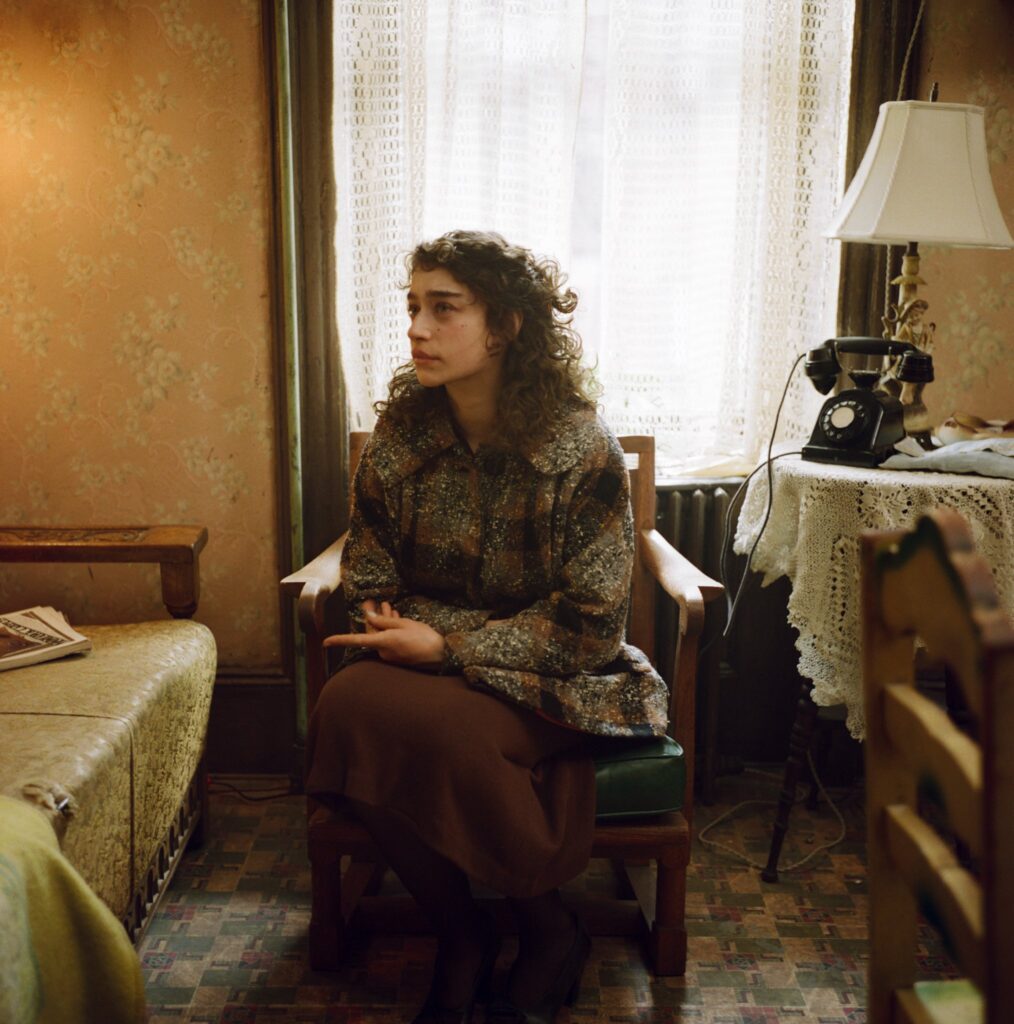
Directed by Josh Safdie, Marty Supreme follows Timothée Chalamet as Marty Mauser, an unlikely ping-pong prodigy navigating postwar New York in the early 1950s. The film is technically a period piece, but Bellizzi resists nostalgia or polish. Instead, she constructs a tactile, street-level realism—one that turns undershirts, belts, gloves, and boxers into narrative tools.
Costume should never overpower the actor. It should help them disappear.
Period as Attitude, Not Ornament
Set in 1952, Marty Supreme occupies a moment of cultural transition—postwar bravado colliding with immigrant hustle, ambition rubbing against scarcity. Bellizzi grounds the film firmly in the Lower East Side, where fashion was shaped less by runways than by necessity and improvisation.
Her research process was exhaustive and unusually specific, drawing from mid-century photojournalism, obscure documentary footage sourced from MoMA archives, and block-by-block studies of Orchard Street. These references informed not just silhouettes, but posture, wear, and repetition.
Caption — Period Language
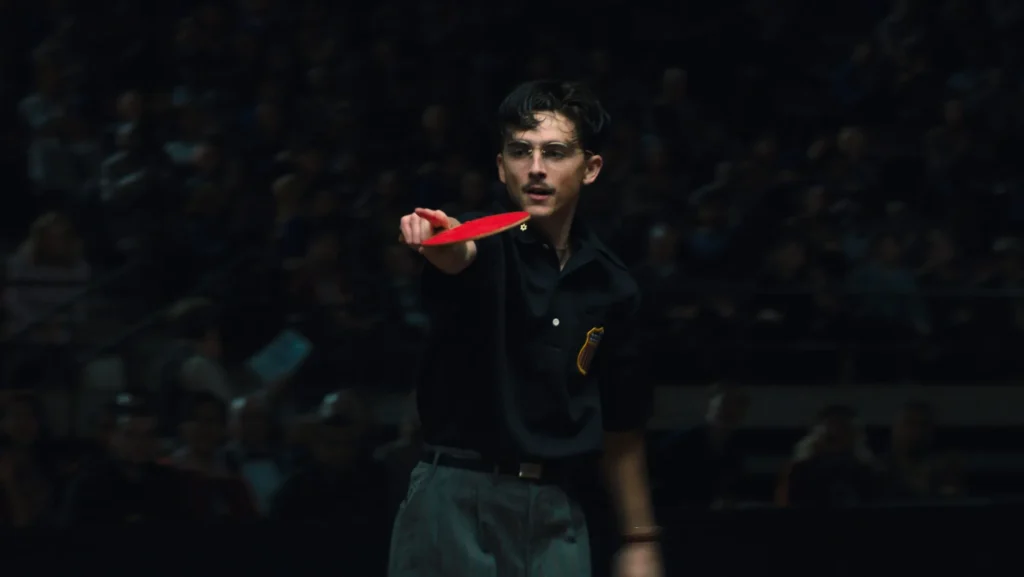
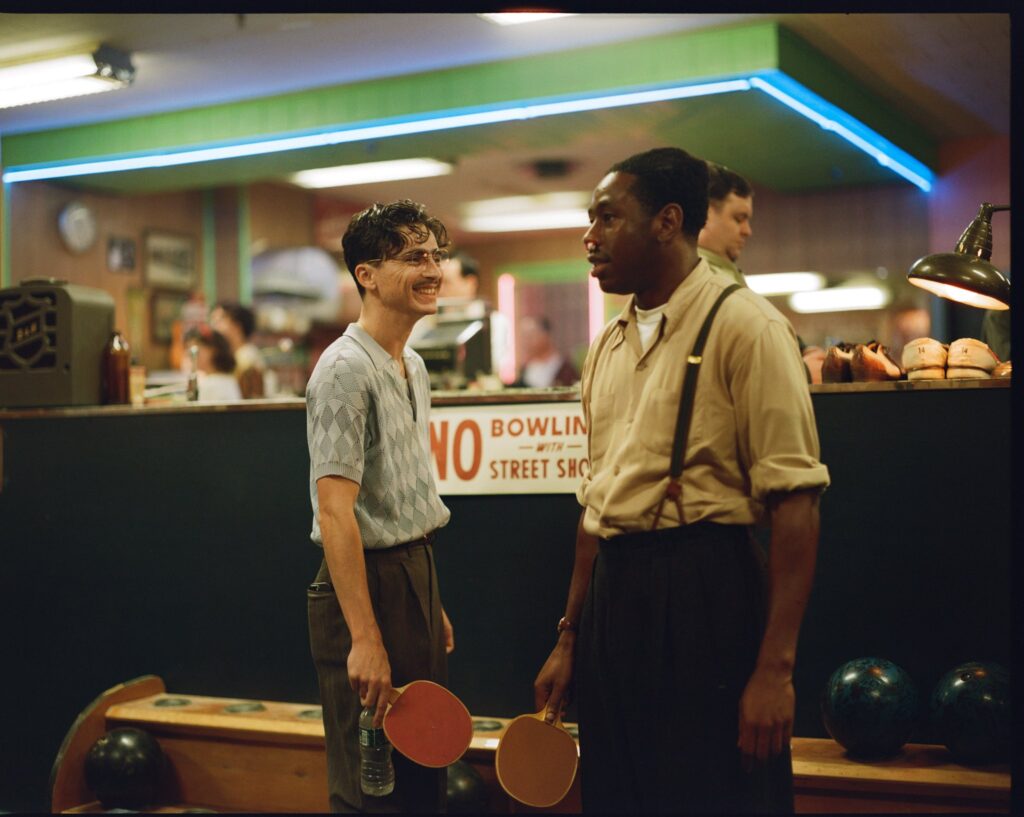
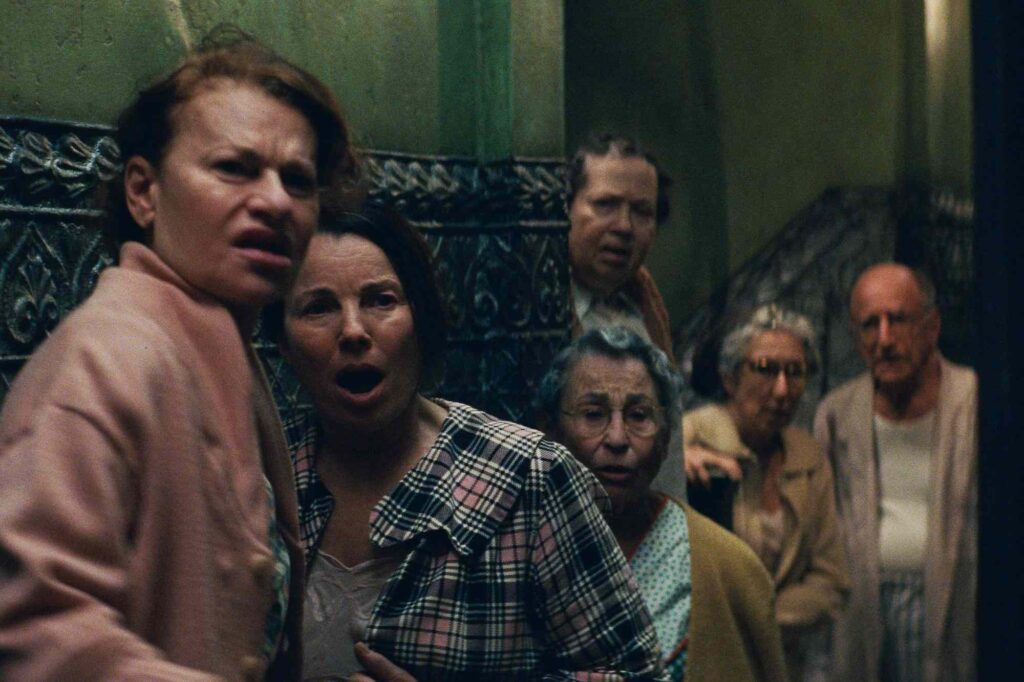
The 1950s are rendered through lived-in sourcing and selective builds—period accuracy defined by use, wear, and social context rather than polish.
With over 140 speaking roles and more than 3,000 background performers, Bellizzi leaned heavily on authentic vintage for the world around Marty, while crafting custom pieces for principal characters whose identities required sharper definition.
Marty Mauser: Built from the Undergarments Up
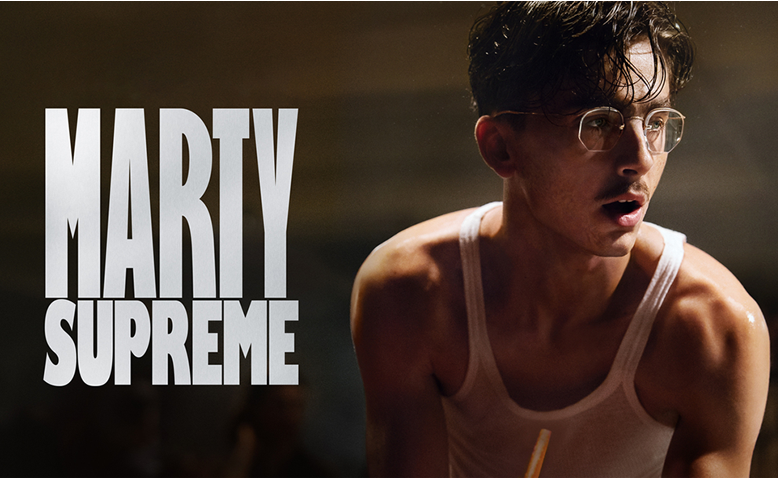
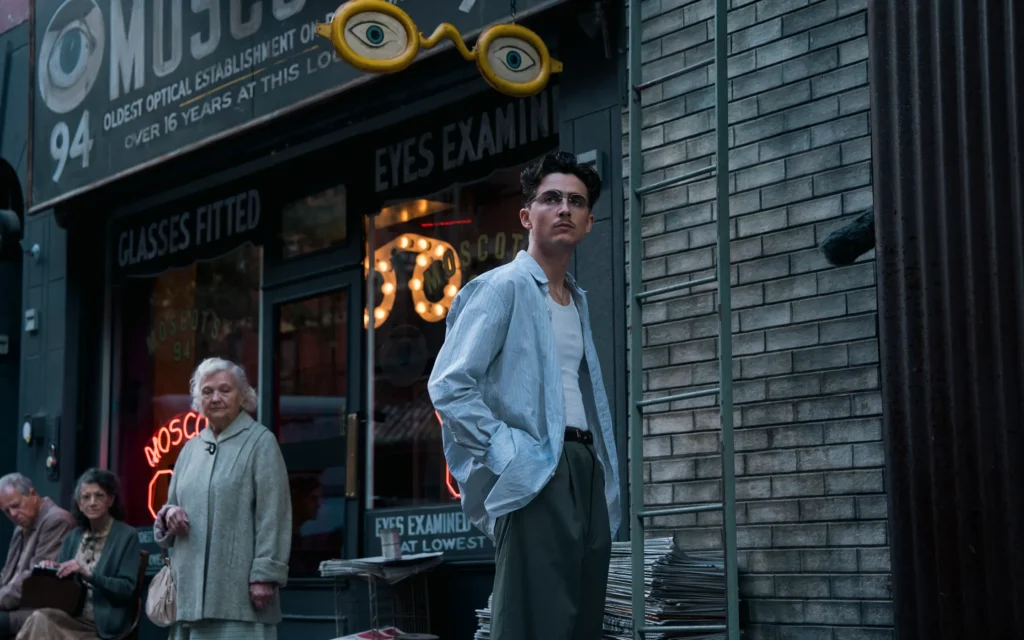
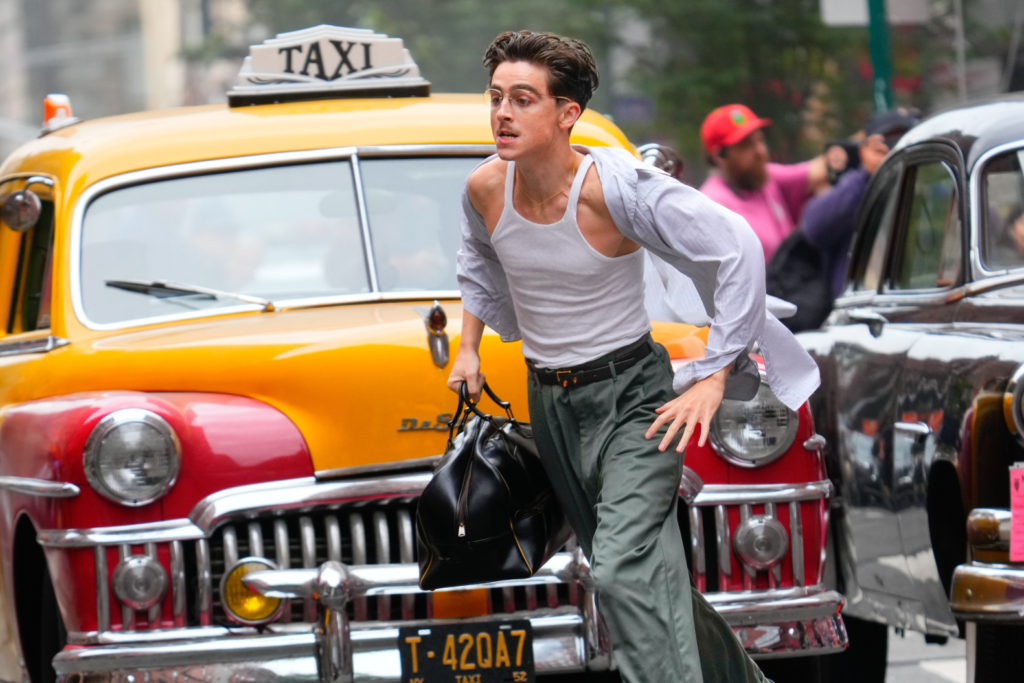
Marty’s costume arc is deceptively simple. Broken-in tank tops. Worn trousers cinched tight with a belt punched full of new holes over time. Shirts that cling and stretch. Nothing flashy—until it is.
One of the most formative elements of the character was the undershirt, a piece Bellizzi searched extensively to find in the correct mid-century cut. Modern equivalents would not do. The shape mattered. The drape mattered. The way it aged on the body mattered.
Caption — Marty’s Core Look
Marty’s tank tops and trousers were chosen for period-accurate cut and degradation—forming the physical foundation of the character’s swagger.
The now-iconic red gloves—introduced almost accidentally during a fitting—became a defining accessory. What began as playful experimentation evolved into a signature gesture: bold, impractical, unforgettable. Like Marty himself.
Those ideas only happen when there’s time, trust, and openness.
Myth Through Wear
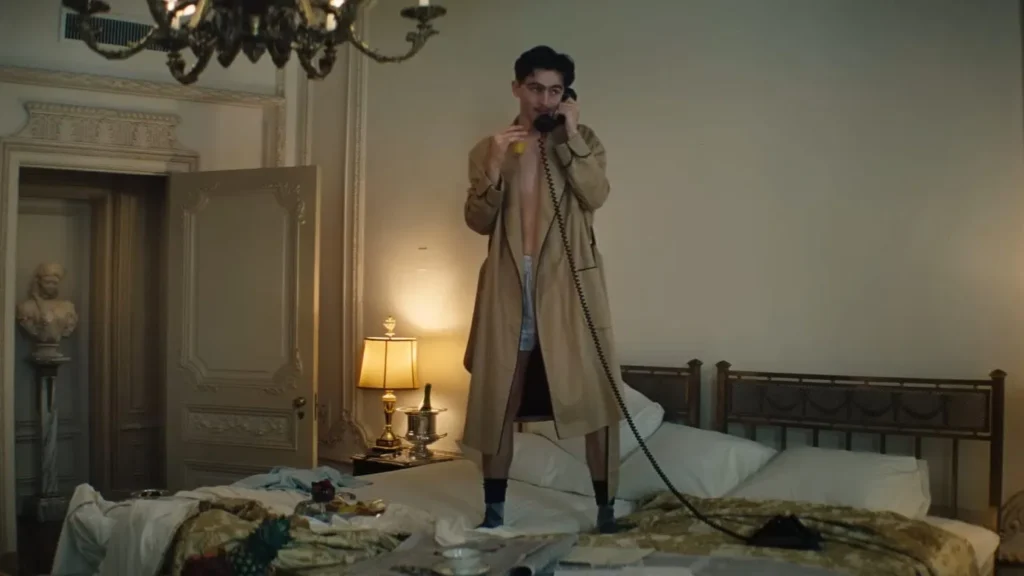
Bellizzi’s costumes evolve through repetition rather than replacement. Marty does not cycle through outfits to signal change; he wears them into meaning. Belts tighten. Pants strain. Fabric absorbs sweat, movement, and ambition.
This approach gives the character continuity. By the film’s end, Marty’s clothes feel inseparable from his body—evidence of lived experience rather than curated image.
Caption — Lived-In Costume
Costumes evolve through wear rather than wardrobe changes, allowing time and physicality to shape character.
A Cast of Icons, Recontextualized
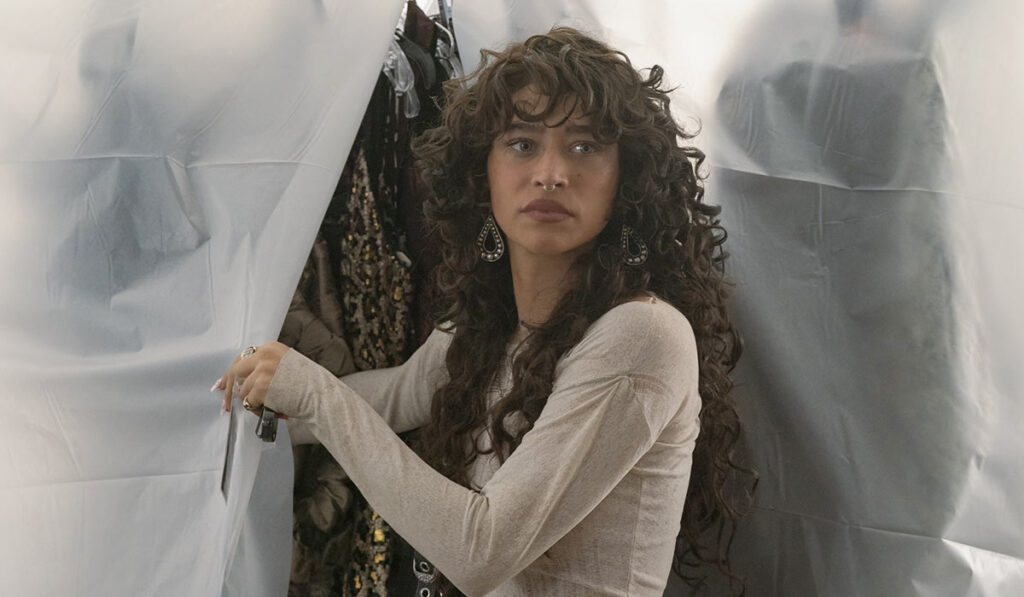
The supporting cast—Gwyneth Paltrow, Sandra Bernhard, Fran Drescher, Isaac Mizrahi—arrives already laden with cultural memory. Bellizzi’s challenge was to reframe rather than reinvent.
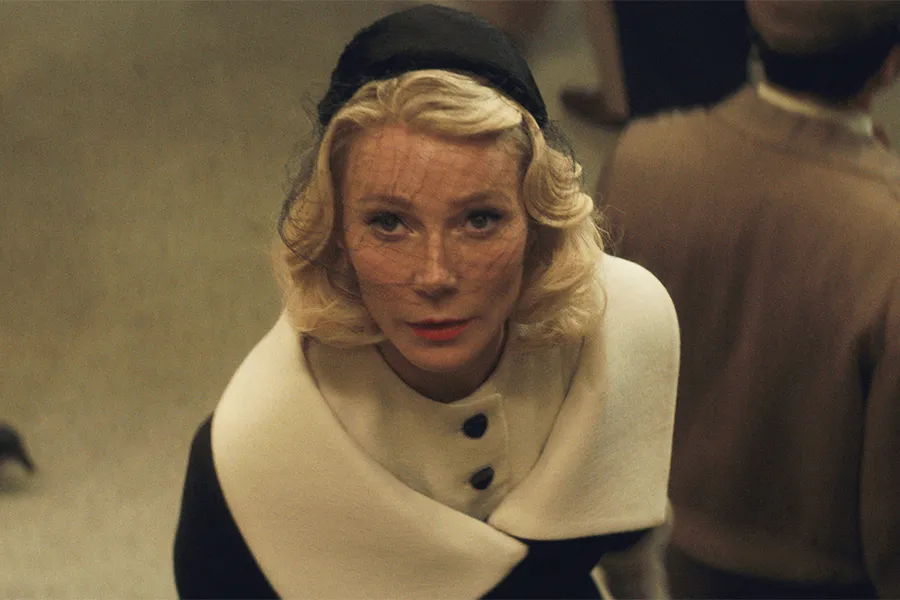
For Paltrow’s character, a former silent-film star living on the Upper East Side, Bellizzi drew inspiration from the emergence of Dior, Givenchy, and Balenciaga’s New Look—fashion on the cusp of change. The wardrobe subtly acknowledges where fashion is heading, even if the character herself remains anchored in the past.
Caption — Kay’s Wardrobe
Kay’s costumes nod to early New Look silhouettes—elegant, restrained, and informed by postwar European fashion without overt modernity.
These characters are not dressed to impress the audience; they are dressed to exist convincingly within Marty’s orbit.
Collaboration as Method
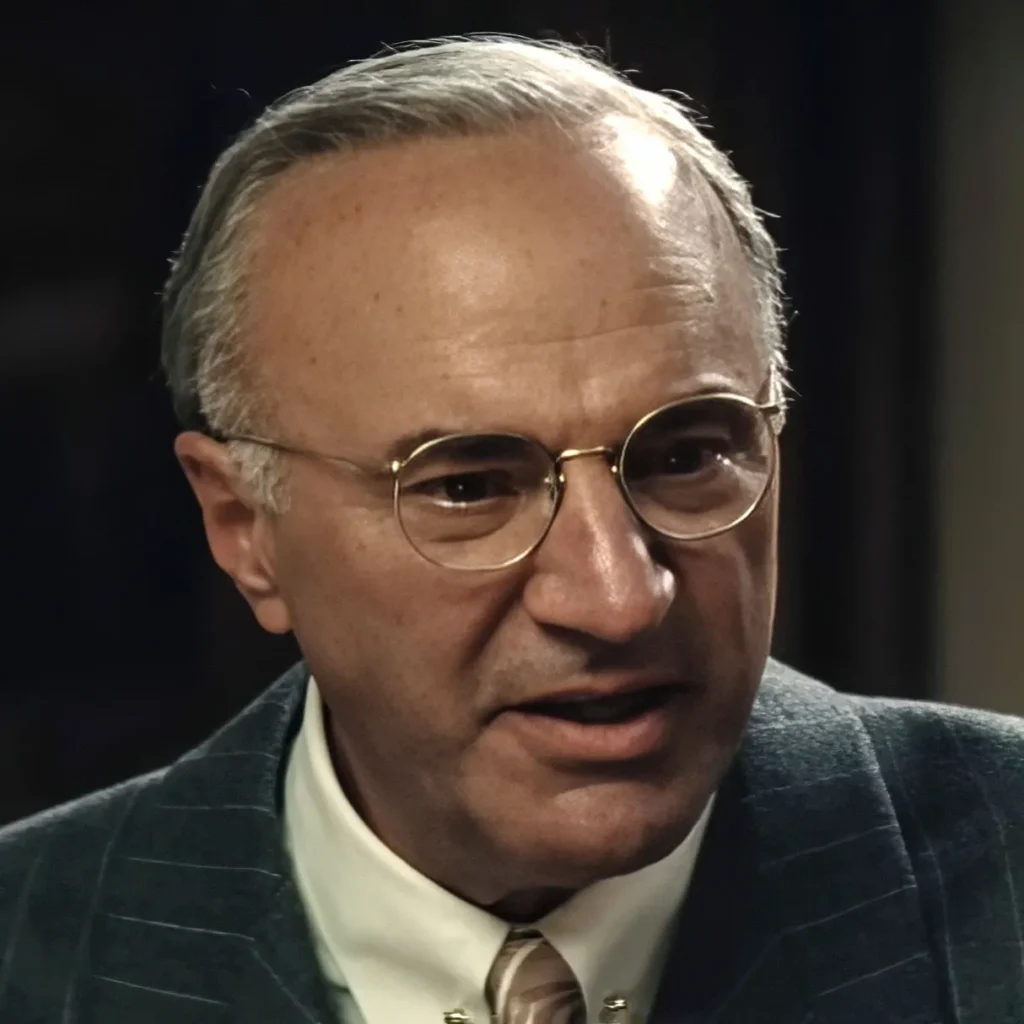
Bellizzi’s long-standing collaboration with Safdie—spanning Good Time, Uncut Gems, and now Marty Supreme—is central to the film’s success. Safdie’s obsession with character detail and Bellizzi’s instinct for clothing as psychology form a shared language.
Safdie’s films are, by design, costume-driven. Not because they showcase clothes, but because they understand how deeply clothing shapes behavior.
All of Josh’s films are costume movies because he cares.
Contemporary Myth, Period Skin
In Marty Supreme, Miyako Bellizzi delivers costume design that does not romanticize the past or aestheticize struggle. Instead, she uses clothing to manufacture belief. Marty Mauser feels real enough to have existed—and mythic enough to endure.
Her Oscar-nominated work proves that the most powerful costumes are often the least obvious. They move with the actor. They age with the story. And by the time the film ends, they no longer feel like costumes at all.
They feel like history.