

Emerging Designers Take Center Stage at Fashion Weeks
World Economic News
Dateline: February–March 2026


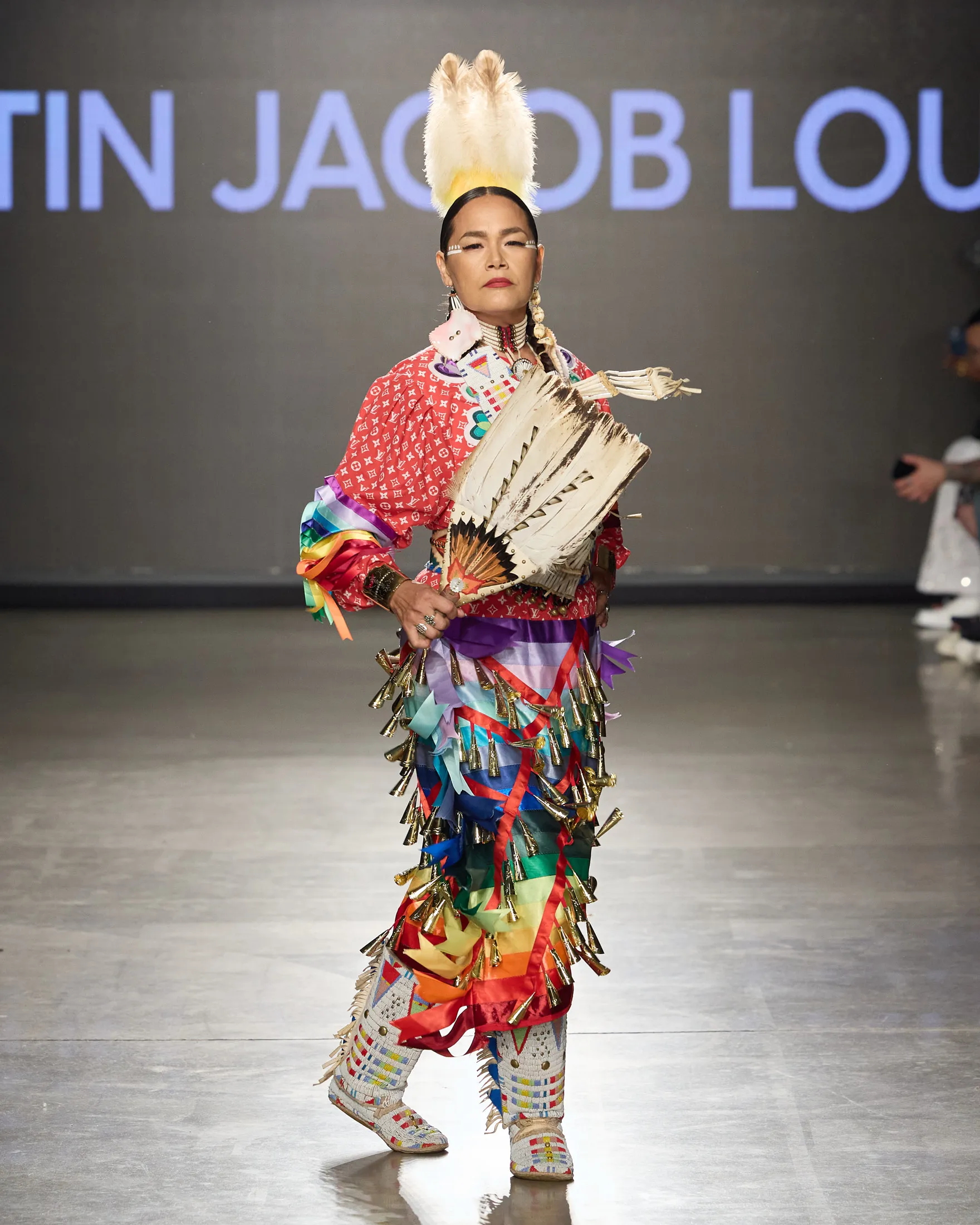
Dedicated Indigenous fashion events provide global platforms for designers to present collections rooted in cultural storytelling.
Fashion weeks in early 2026 revealed a significant shift in the global fashion economy: emerging designers rooted in cultural heritage are becoming central to the industry’s creative and commercial future. From London to Paris, designers are blending traditional craftsmanship, regional textiles, and cultural storytelling with contemporary silhouettes and technology-driven production.
This trend reflects broader economic forces reshaping fashion—from consumer demand for authenticity to sustainability regulations and the growing influence of global creative talent outside traditional European fashion capitals.
London Fashion Week: Cultural Heritage Meets Modern Design
One of the defining moments of the February 2026 fashion season occurred at London Fashion Week, where Manchester-based Bangladeshi designer Tanvir Mahidy made his runway debut.
Mahidy’s collection incorporated traditional South Asian textile techniques, including hand-woven fabrics, embroidery, and tailoring influenced by Bangladeshi and broader South Asian garment traditions.
Industry observers noted that the collection exemplified a broader movement in fashion: designers drawing from cultural heritage to create modern global fashion narratives.
London Fashion Week has increasingly positioned itself as a platform for emerging and multicultural designers. The British Fashion Council reports that the UK fashion industry contributes approximately £62 billion (about $79 billion) to the national economy and supports nearly 900,000 jobs across design, manufacturing, marketing, and retail.
Within that ecosystem, emerging designers play a crucial role in shaping future market trends and attracting global attention to the British fashion sector.
The Global Economics of Heritage Fashion
The rise of culturally rooted designers is not just a creative trend—it reflects changing consumer behavior.
According to industry research:
- The global apparel market exceeds $1.8 trillion annually
- Approximately 300 million people work in the fashion and textile supply chain worldwide
- Demand for artisan and heritage-based fashion has grown significantly as consumers seek authenticity and sustainability
Traditional textile techniques—such as weaving, embroidery, and natural dyeing—are increasingly valued as luxury elements within modern fashion.
This shift has economic implications for textile-producing regions around the world. Countries with strong craft traditions, including India, Bangladesh, Peru, Morocco, and Indonesia, are seeing renewed interest in their textile heritage as designers incorporate these techniques into global fashion collections.
For example, South Asia remains one of the largest textile manufacturing regions in the world. India’s textile sector alone employs about 45 million people, while Bangladesh’s garment industry is a major export engine for the country’s economy.
As emerging designers bring traditional craftsmanship to international runways, they help expand global markets for these textile industries.
Paris Fashion Week: Fashion Meets Architecture and Design
In March 2026, the intersection between fashion and other creative industries became a major theme during Paris Fashion Week, particularly at the Matter and Shape design fair.
The event brought together fashion designers, architects, artists, and industrial designers to explore how clothing intersects with broader design disciplines.
Exhibitions and installations examined topics such as:
- architectural garment construction
- textile engineering and new materials
- wearable design influenced by industrial manufacturing
- sustainable materials and circular production methods
The event illustrated how fashion is increasingly operating within a multidisciplinary design ecosystem, where clothing design overlaps with architecture, industrial design, and digital technology.
This convergence is also economically significant. Design-driven industries—from fashion to architecture to product design—are becoming more interconnected, influencing how materials are developed, how products are manufactured, and how creative talent collaborates across industries.
Why Cultural Fashion Matters to the Global Economy
The emergence of culturally rooted designers reflects broader changes in the fashion market.
Consumers today increasingly value:
- authenticity
- craftsmanship
- sustainability
- cultural storytelling
These factors are shaping purchasing decisions in both luxury and independent fashion markets.
Research indicates that sustainable and heritage-driven fashion segments are among the fastest-growing areas of the apparel industry, as brands respond to consumer demand for products that carry cultural meaning and ethical production practices.
For emerging designers, cultural identity has become a powerful differentiator in a crowded global marketplace.
The Future of Global Fashion
The February–March 2026 fashion season suggests that the future of fashion will be defined by a combination of heritage, technology, and interdisciplinary design.
Emerging designers are no longer simply following the traditions of major fashion houses. Instead, they are redefining the industry by drawing on:
- cultural identity
- traditional textile craftsmanship
- new materials and technologies
- collaborations across creative disciplines
As the global fashion economy continues to evolve, the most influential designers may be those who can connect the past with the future—transforming cultural heritage into modern global fashion.