
Tommy Hilfiger Talks Team Cadillac and F1 Fashion: Where Motorsport Meets Culture
By Garment District News — Fashion, Media & Entertainment
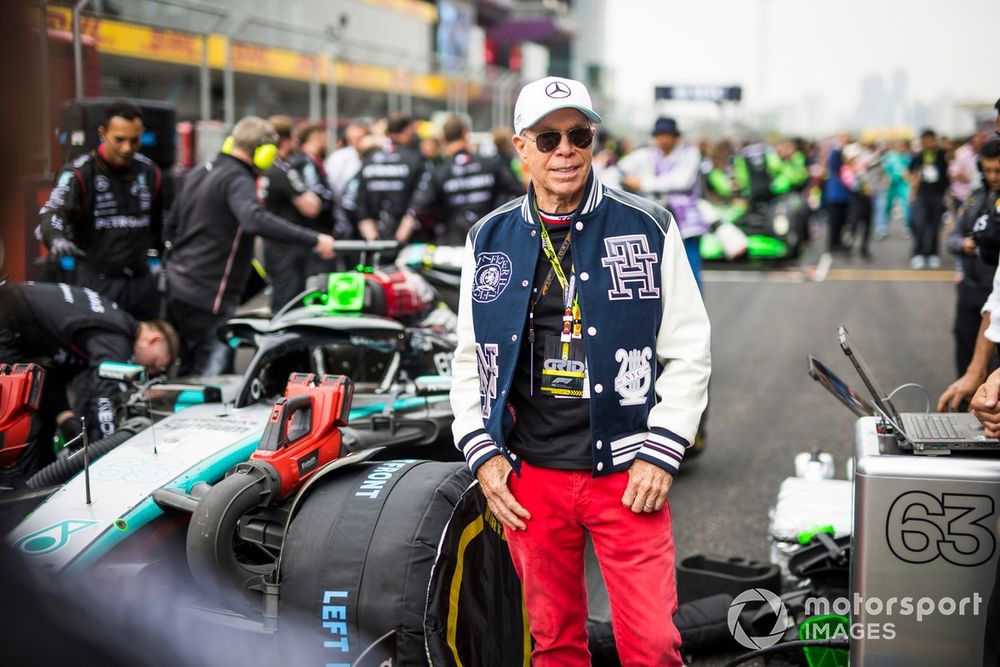
As Formula 1 continues its rapid global expansion — particularly in the United States — the intersection of motorsport and fashion is becoming one of the industry’s most powerful cultural forces. Few designers understand this convergence better than Tommy Hilfiger, whose decades-long relationship with Formula 1 has now entered a new chapter through a partnership with the Cadillac Formula 1 Team.
The collaboration brings together two iconic American brands at a pivotal moment for both fashion and motorsport, positioning style not just as branding, but as a strategic component of fan engagement and cultural relevance.


Two American Icons, One Vision
For Hilfiger, partnering with Cadillac represents more than another sponsorship — it marks an opportunity to redefine American presence in a sport historically dominated by European teams.
Hilfiger has described the collaboration as a natural fit, emphasizing the shared identity between the brands and their ambition to push Formula 1 forward while honoring its heritage. The designer noted that after decades of partnerships with European teams like Ferrari and Mercedes, working with Cadillac allows his brand to make a stronger statement about American design in global motorsport.
The timing is also strategic. Formula 1 viewership is surging worldwide, creating new opportunities for lifestyle brands to connect with audiences beyond traditional racing fans.
Fashion as a Performance Platform
Hilfiger’s role extends beyond merchandising. The partnership positions his company as the team’s official apparel partner, providing on-track uniforms, off-track lifestyle collections, and fanwear designed to blur the line between sport and fashion culture.
The recently launched co-branded collection includes replica team kits, caps, polos, hoodies, and statement outerwear, combining Tommy Hilfiger’s signature American aesthetic with racing-inspired performance elements such as moisture-wicking fabrics and technical detailing.
Industry observers note that this approach reflects a broader trend: motorsport apparel is increasingly designed not only for the track but also for everyday wear, turning fans into lifestyle consumers.
Formula 1 as a Cultural Movement
Hilfiger has long viewed Formula 1 as more than a sporting competition — he sees it as entertainment, fashion, and technology combined.
Executives involved in the partnership emphasize that Formula 1 has evolved into a global cultural platform where storytelling, identity, and brand experience matter as much as race performance. The Cadillac collaboration aims to capture that momentum through immersive fan experiences, digital content, and limited-edition drops tied to race locations such as Miami, Austin, and Las Vegas.
This strategy mirrors the success of Formula 1’s recent cultural surge, fueled by media exposure, celebrity involvement, and younger audiences discovering the sport.
Building a Lifestyle Brand Around a Racing Team
For Cadillac, entering Formula 1 as the championship’s newest team in 2026 represents a major brand evolution. Fashion partnerships play a central role in shaping the team’s identity from its debut season.
The collaboration demonstrates how modern sports organizations increasingly function as lifestyle brands, with apparel acting as a gateway to fan loyalty and emotional connection.
Hilfiger has emphasized that his goal is not simply logo placement, but leadership in motorsport fashion — creating products that fans genuinely want to wear and collect.
Motorsport, Fashion, and the Future
The convergence of fashion and Formula 1 reflects broader changes across industries. Consumers are increasingly drawn to experiences that combine performance, identity, and storytelling. As a result, collaborations between luxury, streetwear, and sports brands are becoming more common.
Hilfiger’s partnership with Team Cadillac highlights how design can influence not only aesthetics but also brand perception, fan engagement, and commercial growth.
Why It Matters for the Fashion Industry
For fashion professionals, the Cadillac collaboration underscores several key trends:
- Sports as a major fashion distribution channel
- Apparel as a storytelling and branding tool
- Cross-industry partnerships driving cultural relevance
- Performance technology influencing everyday clothing design
As Formula 1 continues expanding globally, fashion’s role within the sport is likely to grow even further.
Tommy Hilfiger’s work with Team Cadillac signals a new era where motorsport and fashion operate as a unified cultural ecosystem — one driven by design, innovation, and global audience engagement.