

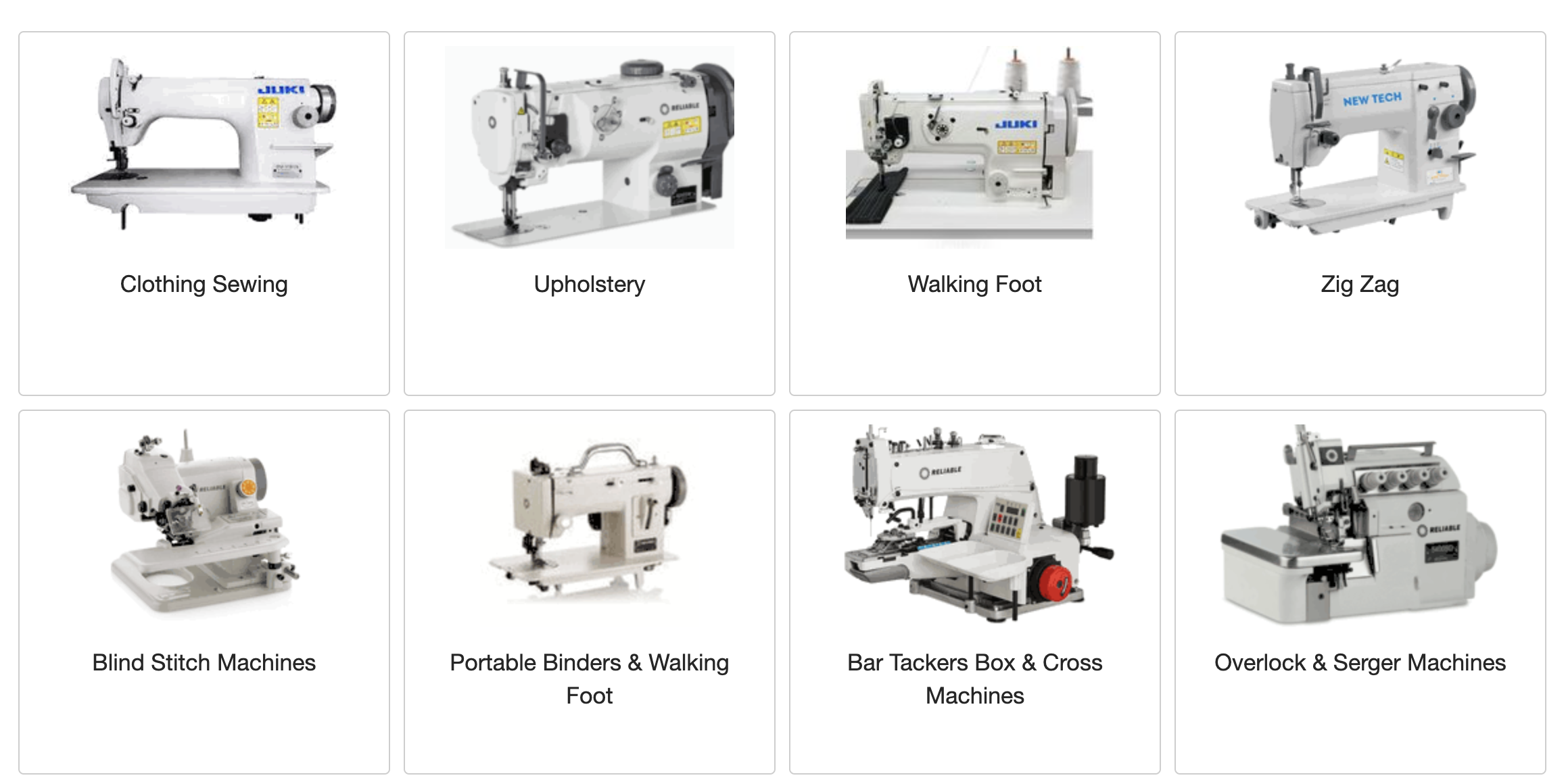
The global industrial sewing machinery market has entered a period of sustained expansion, driven by automation, digital integration, and rising demand from the apparel, leather, and technical textile sectors. Industry projections indicate that the market is on track to surpass $4.2 billion by 2026, supported by growing investment in computerized systems and smart factory infrastructure.
As manufacturers confront labor shortages, cost pressures, and increasing quality standards, sewing equipment is evolving from mechanical production tools into data-driven, connected manufacturing platforms.


Market Growth and Regional Leadership
Industry analysts project that the industrial sewing machine sector will grow at a compound annual growth rate (CAGR) of approximately 4.3% to 5% through 2026–2028.
This growth has been led by the Asia-Pacific region, with China and Japan serving as major manufacturing and innovation hubs. These markets benefit from:
- Large-scale garment and footwear production bases
- Strong export-oriented supply chains
- Continuous capital investment in automation
- Expanding technical textile sectors
Rising domestic consumption in Southeast Asia and South Asia has further reinforced regional demand for advanced sewing equipment.
Digitalization and Industry 4.0 Integration
One of the most significant shifts in the sector has been the adoption of Industry 4.0 principles.
Modern industrial sewing machines are increasingly equipped with:
- IoT-enabled sensors
- Real-time performance monitoring
- Cloud-based data platforms
- Predictive maintenance systems
- Remote diagnostics
These technologies allow manufacturers to track machine utilization, stitch quality, downtime, and energy consumption across entire production floors.
By integrating sewing equipment into broader digital ecosystems, factories are improving workflow coordination, reducing defects, and optimizing resource use.
Rise of Computerized and Specialized Machinery
The transition toward computerized sewing systems has accelerated across multiple product categories.
Current market demand reflects growing interest in:
- Fully programmable stitching systems
- Automated pattern recognition
- Digital tension and feed control
- Multi-function sewing platforms
- Robotics-assisted sewing lines
Specialized machinery has also gained importance, particularly in segments requiring high precision and durability, including:
- Leather goods
- Footwear manufacturing
- Automotive interiors
- Protective equipment
- Composite and technical textiles
These applications require machines capable of handling thick, layered, or non-traditional materials with consistent accuracy.
Key Industry Players and Innovation Strategies
JUKI Corporation
JUKI has expanded its digital ecosystem through initiatives focused on skills development and smart manufacturing. The company introduced the ShuHaRi mobile application and e-learning platforms to support operator training and workflow optimization.
JUKI also partnered with Coloreel to advance on-demand thread dyeing solutions and established JUKI Technosolutions to strengthen its industrial automation capabilities.
These efforts reflect a broader strategy to integrate equipment, software, and training into unified production systems.
SVP Worldwide** (PFAFF Division)
SVP Worldwide continued to invest in advanced product development through its PFAFF brand, releasing the creative icon™ 2 series and expanding research infrastructure in Sweden.
Through PFAFF, the company has emphasized high-precision digital control, connectivity features, and advanced embroidery and stitching capabilities aimed at professional and semi-industrial users.
Brother Industries
Brother has strengthened its position in industrial sewing, particularly in South Asia. The company’s Indian operations marked 25 years of manufacturing and market presence, reflecting sustained regional expansion.
Brother’s industrial platforms focus on:
- High-speed stitching
- Energy-efficient operation
- Integrated software control
- Scalable automation systems
These features support mass production environments seeking consistent output and reduced operational complexity.
Addressing Labor and Productivity Challenges
Labor availability has become one of the most pressing challenges facing garment and textile producers worldwide. Aging workforces, rising wages, and workforce mobility have increased pressure on manufacturers to automate production.
In response, sewing equipment suppliers have developed systems that:
- Reduce operator dependency
- Simplify machine setup
- Automate repetitive processes
- Shorten training cycles
- Increase throughput
Computerized and semi-automated machines enable factories to maintain output levels while reducing reliance on highly specialized manual skills.
Implications for Apparel and Technical Manufacturing
The modernization of sewing equipment is reshaping production strategies across multiple sectors.
For apparel manufacturers, smart sewing platforms support:
- Faster style changes
- Smaller batch production
- Improved quality consistency
- Reduced rework rates
In leather goods and technical textiles, advanced machinery enables:
- Precision stitching on complex materials
- Higher durability standards
- Integration with cutting and assembly automation
- Enhanced product traceability
These capabilities are becoming essential for meeting brand, regulatory, and consumer expectations.
Market Outlook
Looking ahead, industry experts anticipate continued investment in intelligent sewing systems, with future development focused on:
- AI-assisted quality inspection
- Fully automated sewing cells
- Deeper factory-wide integration
- Lifecycle performance analytics
- Enhanced cybersecurity for connected equipment
As manufacturing becomes increasingly data-driven, industrial sewing machines are expected to function as core nodes within smart production networks.
Conclusion
The global industrial sewing machinery market is undergoing a fundamental transformation. Fueled by automation, IoT integration, and demand for specialized equipment, the sector is moving beyond traditional mechanical systems toward fully digital manufacturing platforms.
With major players such as JUKI, SVP Worldwide, and Brother advancing smart technologies and training ecosystems, industrial sewing equipment is becoming central to productivity, resilience, and competitiveness in modern textile and apparel production.
As labor constraints and performance requirements continue to intensify, investment in intelligent sewing machinery is likely to remain a defining feature of the industry’s next growth phase.