

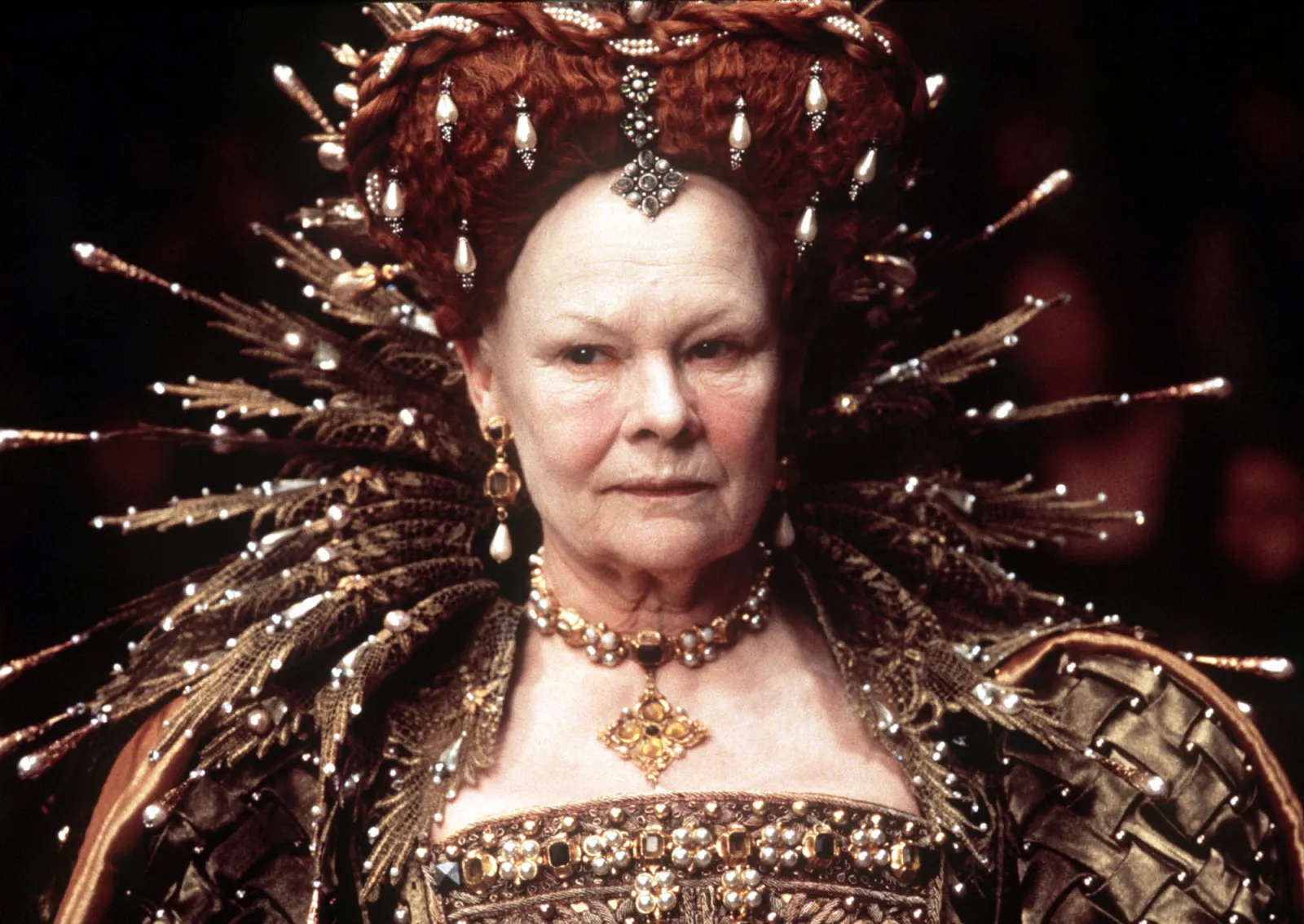
After the Final Cut: Where Film and Television Costumes Go When Production Ends
When the cameras stop rolling, a costume’s work may only be beginning. Some pieces enter museums. Others return to rental stock, appear in another production, go home with a performer—or disappear without a documented history.

The dress has survived fittings, camera tests, repeated takes, outdoor locations, makeup transfer, stunt work, hurried repairs, and the unforgiving demands of continuity. Then someone calls, “That’s a wrap.”
What happens next?
Audiences often imagine that every memorable film or television costume is carefully preserved inside a climate-controlled studio archive. Some are. Many are not.
Depending on ownership, production budgets, historical importance, storage capacity, future filming needs, and contractual agreements, a costume may be archived, rented, reused, auctioned, donated, sold, deconstructed, given to a performer, or discarded.
Its destination may be determined before filming begins—or hastily decided while a production office is closing and wardrobe racks are being cleared.
The final cut may close the production, but it does not close the costume’s biography.
First, who owns the costume?
The person who designs a costume does not necessarily own the finished garment.
A costume designer creates and directs the visual concept, but the physical garment may belong to the production company, studio, costume house, fashion designer, retailer, performer, or another contracting party.
Ownership depends on how the costume was obtained and what the underlying agreement says.
Custom-Built Costumes
Designed and constructed specifically for a production using original patternmaking, tailoring, dyeing, embroidery, aging, leatherwork, millinery, sculpting, or digital fabrication.
Rental Costumes
Borrowed from costume houses and returned after filming so they can be used again in films, television programs, theatre, advertising, or photography.
Purchased Clothing
Contemporary garments purchased from retailers, vintage dealers, resale platforms, designers, uniform suppliers, or online stores.
Borrowed Designer Pieces
Fashion-house garments loaned under agreements that may restrict alterations, publicity, use, and the length of time the production can retain them.
The ownership trail matters because a production cannot permanently preserve, donate, sell, or auction a garment it does not own.
Some costumes return to work
One of the most practical destinations for a costume is a professional rental house.
Rental collections can contain thousands of period gowns, military uniforms, suits, coats, hats, shoes, undergarments, accessories, and background pieces organized by era, size, color, occupation, or character type.
Once returned from production, a garment can later appear in another film, television series, theatrical production, commercial, music video, or editorial shoot.
That is why observant viewers sometimes recognize what appears to be the same gown, waistcoat, military coat, or background costume in more than one production.
Reuse can be economically and environmentally practical. A finely constructed period garment may require expensive fabric, specialist tailoring, hand finishing, embroidery, custom dyeing, and extensive historical research.
Returning it to rental stock gives another production access to craftsmanship it may not have the budget or time to commission from scratch.

Reuse rarely means wearing the costume exactly as it was
A rental costume may look ready for the camera, but it often needs significant work before entering a new production.
It may require:
- Resizing for a different performer
- A new hemline or sleeve length
- Replacement closures
- New buttons, trim, braid, or decoration
- Re-dyeing or color correction
- Cleaning and restoration
- Reinforcement for movement or stunt work
- Aging, distressing, staining, or breakdown
- Reversible alterations that preserve its rental value
The challenge is adapting the garment to a new body and story without destroying its future usefulness.
A rental costume is not merely a historical object. It is a working tool.
Hero costumes and background costumes live different lives
Not every costume carries the same production value—or the same archival priority.
A hero costume worn by a principal performer may exist in several versions.
One costume may actually be many costumes
- Beauty version: used for close-ups and publicity.
- Stunt version: reinforced or modified for action.
- Weathered version: aged for later scenes.
- Wet version: prepared for water or rain continuity.
- Bloodied version: permanently treated for injury scenes.
- Double’s version: fitted to a stunt or body double.
- Backup version: held in reserve for damage or reshoots.
One iconic screen costume may therefore be a family of related garments, each constructed to serve a different filming requirement.
The production may preserve the most pristine version while retaining damaged copies for future reference, exhibitions, sequels, or special features.
Background costumes face a different reality.
A large production may require hundreds or thousands of garments for crowd scenes. Preserving every jacket, dress, hat, apron, boot, and uniform would require enormous storage and documentation budgets.
Some pieces return to rental stock. Some are sold in bulk. Others are broken down so that buttons, buckles, lace, trim, fabric, or hardware can be reused.
Costume history often remembers the visual center of the frame and loses what stood behind it.
The studio archive: memory with a storage bill
Archiving a costume requires more than placing it on a hanger or inside a garment bag.
A useful archive needs:
- Permanent identification numbers
- Production, character, and performer records
- Designer and maker credits
- Scene and episode information
- Exterior and interior photographs
- Fiber and material documentation
- Condition reports
- Appropriate hangers, supports, and boxes
- Pest and environmental monitoring
- Security and controlled access
- A long-term preservation budget
Without documentation, an important costume can eventually become an anonymous coat on a crowded rack.
Institutions such as the Academy Collection preserve film-related objects, including costumes, costume-design drawings, scripts, photographs, moving-image materials, and filmmaking technology.
The Victoria and Albert Museum also preserves performance-related fashion and costume from theatre, dance, opera, film, music, and other forms of entertainment.
These collections preserve more than celebrity memorabilia. They preserve evidence of patternmaking, tailoring, textile selection, body engineering, character development, aging, dyeing, and collaboration across departments.
A costume can reveal decisions, materials, and construction methods that the finished film never explains.
Why screen costumes are difficult to preserve
Film and television costumes are designed to perform under production conditions. They are not always designed to survive for centuries.
One costume may combine natural and synthetic fibers with leather, plastic, paint, metal, elastic, rubber, foam, latex, silicone, feathers, beads, electronics, batteries, and adhesives.
Each material ages differently.
- Foam can crumble into powder.
- Elastic can lose its recovery.
- Adhesives can yellow, harden, or release.
- Plastics can become brittle or sticky.
- Metals can corrode and stain surrounding fabric.
- Dyes can fade or migrate.
- Leather can dry, crack, or distort.
- Weighted silk can split under its own weight.
- Stretch fabrics can distort permanently on a hanger.
A garment that was safe to wear during a three-month production may become too fragile to place on a mannequin several decades later.
Conservators must decide whether to stabilize the costume, repair it, reduce its exhibition time, create a custom support, store it flat, or restrict handling entirely.
Preservation is not the same as making the garment look new.
The goal is to protect the object and its production history without erasing evidence of how it was created and used.
Auction: preservation, commerce, or fragmentation?
Film and television costumes increasingly appear at public auction.
A sale can rescue an object from an overcrowded warehouse and place it with a collector who values it. Auction catalogs can also create useful public records through photography, measurements, labels, production details, and provenance.
Private ownership, however, can remove an object from scholarly and public access.
Related garments may be separated. A complete ensemble can be divided among several buyers. Costume pieces may lose their associated patterns, continuity images, footwear, jewelry, or documentation.
The commercial market tends to reward:
- Famous performers
- Recognizable characters
- Major film and television franchises
- Visually dramatic garments
- Award-winning productions
- Costumes with strong photographic provenance
A background costume may demonstrate extraordinary tailoring, embroidery, dye work, or historical research and still attract limited commercial attention because no leading actor wore it.
Price and historical importance are not the same thing.
When performers keep the clothes
Stories about actors taking costumes home are popular, but the actual circumstances depend on permission, ownership, and production policy.
A performer may receive a costume as a gift, purchase it, negotiate for it contractually, or be permitted to retain a personal item.
Other garments remain studio or rental-house property regardless of their emotional importance to the performer.
A privately owned costume can later be donated to a museum or carefully maintained. It can also be altered, worn, stored improperly, separated from its records, or sold without complete provenance.
The garment may survive while its production history disappears.
Digital archiving cannot replace the costume
A modern costume archive should preserve both the physical object and its digital history.
Useful records may include:
- Concept illustrations
- Technical drawings
- Patterns and pattern alterations
- Fabric and trim samples
- Supplier and maker information
- Fitting photographs
- Continuity photographs
- Dye and breakdown recipes
- Performer measurements
- Maintenance and repair instructions
- Three-dimensional scans
- Scene, episode, and production references
A high-resolution scan cannot reproduce a fabric’s weight, hand, flexibility, internal construction, scent, texture, or changing condition.
It can, however, preserve the garment’s dimensions and surface appearance before deterioration progresses.
Digital records become especially important when a production creates multiple versions of the same costume. They can document why two nearly identical garments were constructed differently and identify which version was used for a stunt, close-up, double, or reshoot.
Preservation should begin before the final scene
The best time to decide what will happen to a costume is not when the storage truck arrives.
Productions can build preservation into the costume workflow by:
- Assigning permanent costume identification numbers
- Photographing garment exteriors and interiors
- Saving fabric, trim, and dye samples
- Recording makers, specialists, and suppliers
- Tracking alterations and repairs
- Separating hero, stunt, and duplicate versions
- Preserving patterns and dye formulas
- Flagging historically important pieces
- Clarifying ownership and donation rights
- Budgeting for archival packing and storage
Costume departments already create extensive records for continuity and filming.
With planning, those records can become the foundation of a permanent archive rather than being discarded when production closes.
The Costume’s Second Act
The costume’s second life
Screen costumes do more than clothe a performer.
They record the collaboration of designers, supervisors, buyers, cutters, tailors, stitchers, dyers, breakdown artists, milliners, jewelers, leatherworkers, embroiderers, dressers, archivists, and conservators.
When a costume disappears, part of that labor disappears with it.
When it enters another production, it becomes part of a new story.
When it enters a museum, it shifts from working garment to historical evidence.
When it enters a private collection, its future depends on the knowledge and resources of its owner.
For some costumes, the most revealing chapter begins after the audience has gone home.
Sources and Further Reading
Editor’s note: The accompanying photographs depict costumes stored on professional wardrobe racks and are used to illustrate the scale and organization of costume inventories. The garments shown are not necessarily connected to a specific film or television production discussed in this article.