

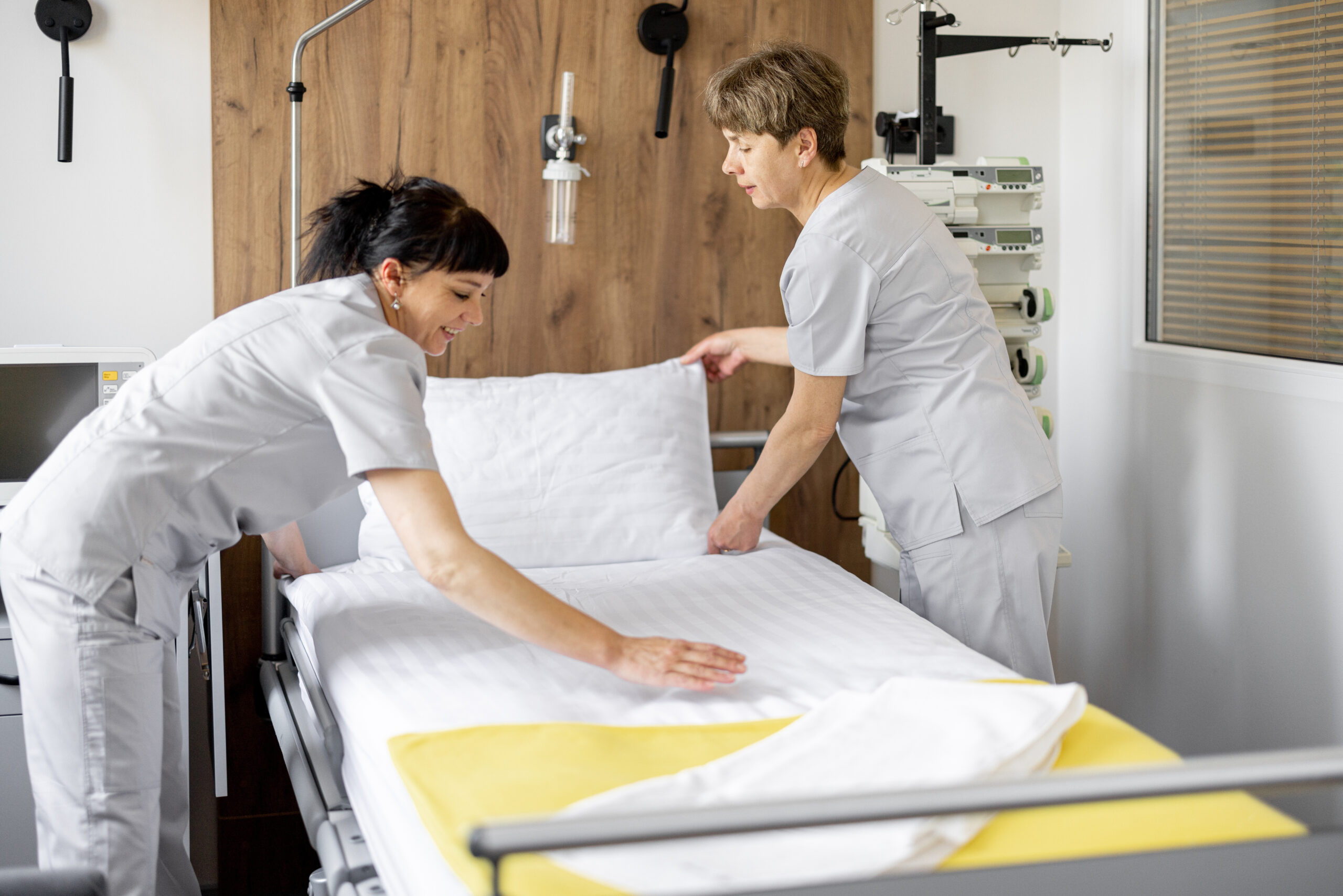
In hospitals and clinical environments, textiles are everywhere — yet their impact is often underestimated. From bed linens and gowns to wound dressings and rehabilitation wear, textiles are among the most consistently used materials in healthcare settings. Today, a new generation of advanced medical textiles is redefining their role, moving beyond passive function to actively support infection control, healing, comfort, and recovery.
As healthcare systems face rising infection risks, aging populations, and increasing pressure to improve outcomes while controlling costs, innovative textiles are emerging as quiet but powerful clinical tools.
Beyond Fabric: Textiles as Active Medical Systems
Modern healthcare textiles are no longer designed solely for durability or cleanliness. Instead, they are being engineered with embedded therapeutic and antimicrobial properties, transforming everyday materials into continuous, non-invasive interventions.
These textiles support care in three critical areas:
- Infection prevention
- Wound healing
- Pain management and rehabilitation
Among the most impactful innovations are copper-infused fabrics, zinc-enhanced wound textiles, and magnetic and far-infrared (FIR) therapy materials.
Copper-Infused Textiles: A Frontline Defense Against Infection
Healthcare-associated infections (HAIs) remain one of the most persistent challenges in medical facilities worldwide. Copper-infused textiles offer a compelling, evidence-backed approach to mitigation.
Copper ions possess natural antimicrobial properties capable of disrupting bacterial cell membranes and metabolic processes. When integrated into fibers at the nanoscale, copper provides continuous antimicrobial protection, even after repeated laundering.
Clinical studies have shown:
- Up to 99.9% reduction in bacterial contamination within two hours
- Effectiveness against antibiotic-resistant pathogens
- Long-term durability across multiple wash cycles
In real-world application, hospitals incorporating copper-infused bed linens, patient gowns, and staff uniforms have reported substantial reductions in surface contamination. One Boston-based hospital documented a 58% decrease in healthcare-associated infections after deploying copper-treated textiles across high-touch fabric surfaces.
Infection control teams increasingly view these textiles as a constant, passive layer of protection, complementing — not replacing — standard hygiene protocols.
Zinc-Enhanced Textiles: Advancing Wound Care and Healing
Wound care is another area undergoing transformation through textile innovation. Zinc-enhanced fibers, particularly those incorporating zinc oxide nanoparticles, combine antimicrobial activity with biological support for healing.
Zinc plays a critical role in:
- Collagen synthesis
- Skin regeneration
- Immune response modulation
When embedded into wound dressings and medical textiles, zinc ions:
- Inhibit bacterial and fungal growth
- Disrupt microbial transport and respiratory systems
- Create an environment conducive to tissue repair
Clinical studies show that zinc-infused wound dressings can reduce healing time by up to 30% compared to conventional alternatives. For patients with chronic wounds — including diabetic ulcers and pressure injuries — these improvements translate into fewer complications, shorter treatment durations, and reduced strain on healthcare resources.
Magnetic and Far-Infrared Textiles: Supporting Recovery and Pain Management
Beyond infection and wound care, advanced textiles are also influencing rehabilitation and pain management.
Magnetic therapy textiles integrate permanent magnetic particles directly into yarns, creating a consistent therapeutic field around the body. Modern textile engineering ensures these properties remain stable even after repeated washing.
Research indicates that magnetic therapy textiles may:
- Improve blood circulation
- Reduce muscle tension
- Support cellular regeneration
When combined with Far Infrared Radiation (FIR) technology, the effects are amplified. FIR penetrates deeply into tissues, stimulating cellular activity and enhancing metabolic processes associated with healing.
Clinical and rehabilitative settings have reported measurable outcomes. At Pacific Rehabilitation Center, patients using magnetic therapy bedding and compression garments experienced:
- 45% improvement in sleep quality
- 35% reduction in muscle tension during recovery
Similarly, studies in sports medicine environments found that athletes using magnetic compression wear recovered from muscle soreness up to 40% faster than with conventional recovery methods — findings increasingly relevant to post-surgical and orthopedic care.
From Products to Protocols: Integrating Smart Textiles into Care
Healthcare providers are now integrating advanced textiles across multiple applications:
- Post-surgical and rehabilitation garments
- Specialized bedding for pain and pressure management
- Compression wear for circulation support
- Therapeutic clothing for chronic pain patients
- Protective covers for rehabilitation equipment
What distinguishes these solutions is their non-invasive nature. Unlike pharmaceutical interventions, therapeutic textiles operate continuously without active patient compliance, reducing risk while supporting outcomes.
Operational Impact and Long-Term Value
Beyond clinical benefits, healthcare systems report measurable operational advantages from adopting advanced textiles:
- Reduced infection-related costs
- Shorter hospital stays
- Lower textile replacement rates
- Decreased environmental waste
As sustainability becomes a healthcare priority, durable, multifunctional textiles also support waste reduction and lifecycle efficiency, aligning clinical performance with environmental responsibility.
The Future of Healthcare Is Woven In
As healthcare environments grow more complex, textiles are emerging as foundational infrastructure, not background materials. The integration of antimicrobial, regenerative, and therapeutic properties into everyday fabrics represents a shift toward preventative, patient-centered care embedded directly into the clinical environment.
These innovations are not speculative — they are already reshaping outcomes, workflows, and patient experience.
In the years ahead, smart medical textiles will play an increasingly central role in how healthcare systems deliver safer, more effective, and more humane care — one fiber at a time.There are many variations of passages of Lorem Ipsum available, but the majority have suffered alteration in some form, by injected humour, or randomised words which don’t look even slightly believable