

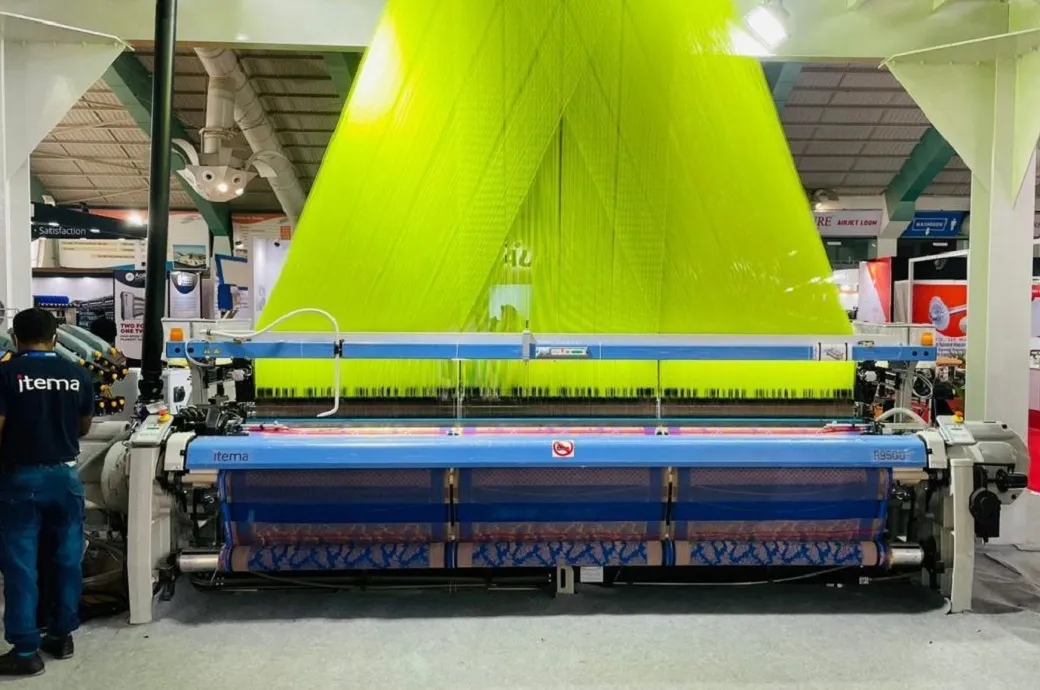


SITEX 2026 (Surat International Textile Expo) emerged as a major platform for advanced textile manufacturing, placing particular emphasis on three-dimensional weaving technologies, high-performance materials, and environmentally responsible production systems.
Held from February 21 to 23, 2026, at the SIECC Campus in Surat, the exhibition brought together machinery manufacturers, fabric producers, suppliers, and designers to explore how emerging technologies were reshaping global textile production.
With live demonstrations, technical showcases, and industry forums, SITEX 2026 reflected the sector’s growing focus on automation, material efficiency, and next-generation fabric engineering.
Advancing 3D Weaving Technologies
A central theme of SITEX 2026 was the rapid development of three-dimensional weaving systems designed to produce high-strength, lightweight, and durable textiles.
These technologies focused on replacing conventional two-dimensional composites in demanding sectors such as aerospace, automotive manufacturing, and industrial engineering.
3D woven structures enabled manufacturers to integrate multiple layers and reinforcement directions within a single fabric, improving:
- Structural stability
- Impact resistance
- Weight-to-strength ratios
- Material longevity
Exhibitors demonstrated how these fabrics could reduce component complexity while enhancing performance in technical applications.
High-Speed Machinery and Production Automation
Advanced machinery formed another cornerstone of the exhibition, reflecting the industry’s push toward greater productivity and operational precision.
Among the major technology contributors, Stäubli showcased high-speed rotary dobbies and automated warp-tying systems designed for consistent, large-scale production.
Featured systems included:
- Precision rotary dobbies for complex pattern control
- Automated warp-tying machines for reduced downtime
- Digitally integrated control platforms
- Reliability-focused mechanical designs
These technologies addressed rising labor costs, quality consistency requirements, and compressed production timelines.
Smart and Sustainable Fabric Development
SITEX 2026 highlighted a growing convergence between material science and environmental responsibility.
Manufacturers presented smart textile solutions that combined functional performance with sustainability objectives, including:
- Easy-clean and stain-resistant weaves
- PET-resistant surface treatments
- Temperature-regulating fabric structures
- Blended sustainable fibers
These innovations reflected increasing demand from apparel, home furnishing, and technical textile markets for products that balanced durability, comfort, and reduced environmental impact.
Textural and Surface Innovation
Beyond structural performance, exhibitors emphasized aesthetic and tactile development as a key area of growth.
Textural innovation featured prominently, with rising interest in:
- Bouclé constructions
- Woven relief patterns
- Dimensional fabric surfaces
- Hybrid 3D-printed textile elements
These surface treatments expanded design possibilities for fashion, interiors, and architectural textiles, allowing manufacturers to differentiate products through material character and visual depth.
Emphasis on Natural and Renewable Materials
Sustainability remained a defining priority throughout SITEX 2026, particularly in fiber selection and sourcing practices.
Natural and renewable materials were widely promoted, including:
- Cotton
- Linen
- Wool
- Plant-based blends
Producers highlighted improved processing methods that enhanced performance while preserving biodegradability and recyclability. This focus aligned with global regulatory pressures and growing consumer expectations around responsible sourcing.
Live Demonstrations and Technical Education
A distinguishing feature of SITEX 2026 was its emphasis on live equipment operation and hands-on learning.
The exhibition floor featured continuous demonstrations of:
- Weaving systems
- Spinning machinery
- Knitting equipment
- Finishing technologies
These presentations allowed visitors to evaluate machine performance, maintenance requirements, and production workflows in real time.
Technical sessions and informal consultations further supported knowledge exchange between suppliers and manufacturers.
Industry Positioning and Market Outlook
SITEX 2026 reflected broader transformations shaping textile manufacturing worldwide:
- Expansion of advanced composite textiles
- Integration of digital production controls
- Growth in automation and robotics
- Increased focus on eco-efficiency
- Demand for multifunctional fabrics
By combining high-performance engineering with sustainable practices, exhibitors demonstrated how textile production was evolving beyond traditional apparel manufacturing into specialized industrial and technical domains.
Event Overview
Event: Surat International Textile Expo (SITEX 2026)
Dates: February 21–23, 2026
Venue: SIECC Campus, Surat
Core Focus:
- 3D weaving technologies
- Sustainable manufacturing
- Live machinery demonstrations
- Smart and technical textiles
Conclusion
SITEX 2026 served as a showcase for the textile industry’s transition toward intelligent manufacturing systems, advanced material structures, and environmentally responsible production models.
With strong emphasis on 3D weaving, automated machinery, and sustainable fibers, the exhibition highlighted how textile producers were adapting to changing market demands across aerospace, automotive, fashion, and industrial sectors.
For manufacturers, suppliers, and designers, SITEX 2026 offered a clear view of the technologies and practices shaping the next phase of global textile production.