
As commercial aviation continues to redefine the passenger experience, cabin interiors are undergoing a quiet but consequential transformation. Beyond seating configurations and lighting systems, textiles are emerging as a critical platform for innovation—shaping comfort, brand expression, sustainability, and long-term performance.
At the forefront of this evolution is Camira, which has introduced a new digital print technology designed to remove traditional constraints in aircraft interior textiles. The advancement marks a significant shift in how fabrics for aviation can be conceived, specified, and delivered.
Unlocking Creative Freedom in Aircraft Cabin Design
Historically, aircraft interior textiles have been bound by strict limitations on pattern scale, colour repeat, and minimum order quantities—often forcing design teams to compromise creative intent in favor of manufacturability. Camira’s digital print technology fundamentally changes that equation.
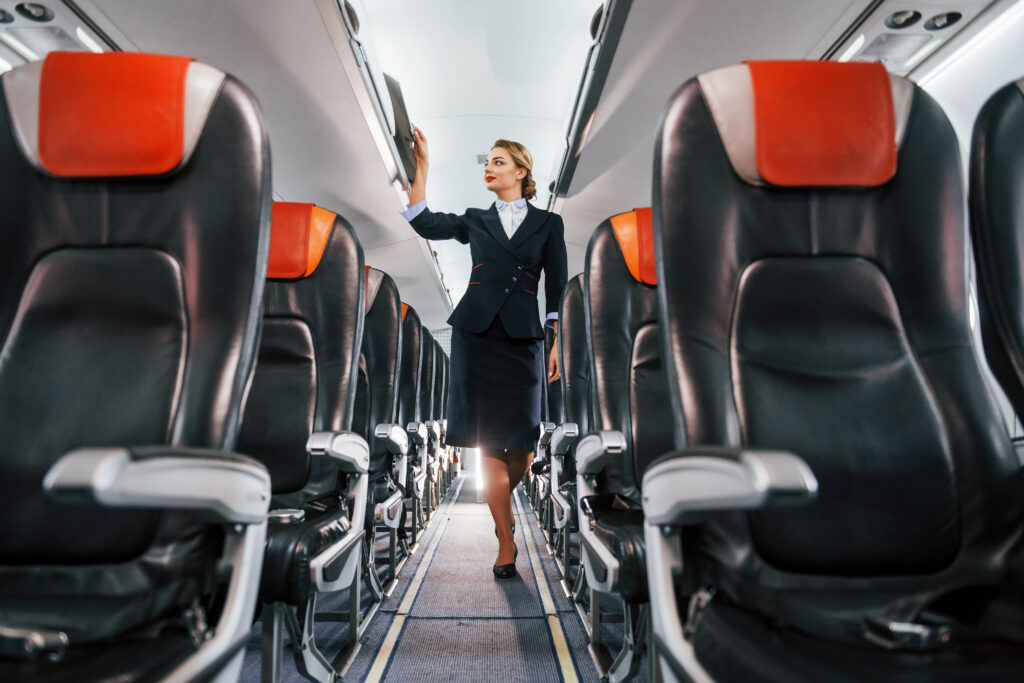
By enabling unrestricted pattern scale, unlimited colour variation, and reduced production thresholds, the technology allows airlines and OEMs to pursue truly bespoke cabin environments. From subtle brand storytelling to immersive visual themes, designers can now translate conceptual visions into seat upholstery, panel coverings, and soft surfaces without the traditional technical barriers.
This flexibility also opens new opportunities for rapid cabin refreshes, special liveries, and differentiated premium zones—supporting evolving airline brand strategies while maintaining certification and performance requirements.
Performance Materials Engineered for the Aviation Environment
Digital freedom alone is not enough in aviation. Aircraft interiors demand textiles that meet exacting standards for safety, durability, and passenger comfort.
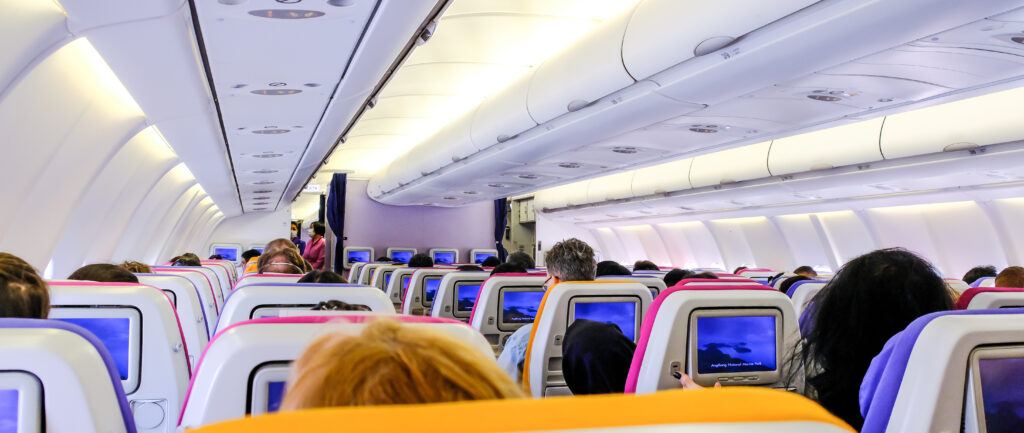
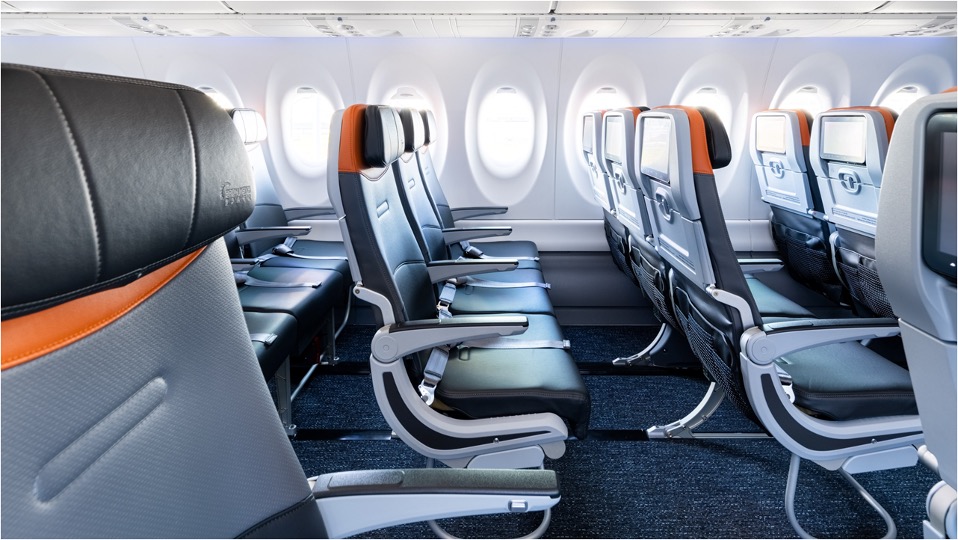
Camira’s digitally printed fabrics are applied to lightweight moquette constructions developed specifically for high-performance environments. Featuring a velour finish, the textiles deliver visual depth, tactile comfort, and excellent colour saturation while supporting weight-conscious cabin design.
Woven from naturally sustainable wool, these materials offer inherent advantages critical to aircraft interiors, including flame resistance, moisture management, durability under heavy use, and long-term aesthetic stability. The result is a fabric platform that balances visual sophistication with the rigorous demands of commercial flight.
Sustainability as a Core Design Principle
Sustainability has become a defining priority across the aviation industry, influencing aircraft design, material selection, and lifecycle planning. Camira’s broader textile portfolio reflects this shift through an expanding focus on recycled and circular materials.
Across its collections, the company has introduced fabrics made from post-consumer recycled polyester, marine plastic waste, and textile-to-textile recycled content derived from apparel and manufacturing offcuts. These innovations move beyond traditional bottle-based recycling toward more advanced circular systems—where discarded textiles are regenerated into new, high-performance materials suitable for transport interiors.
By treating textile waste as a resource rather than a liability, Camira supports airline sustainability goals while maintaining the durability, comfort, and compliance required for aircraft cabins.
Managing Product Lifecycles in a Regulated Industry
In aviation, material continuity is as important as innovation. Camira’s approach to product evolution reflects an understanding of long certification cycles and long-term fleet planning. Portfolio updates, reinstatements, and phased withdrawals are managed with careful transition strategies to support existing specifications, retrofit programs, and future cabin concepts.
This structured lifecycle management allows airlines, MROs, and interior suppliers to adopt new materials with confidence—balancing innovation with operational stability.
The Human Expertise Behind Technical Innovation
Behind every technical breakthrough is deep material knowledge. Camira’s innovation is driven by cross-disciplinary teams that bring together design, sustainability, and technical development expertise.
Senior technical specialists work closely with creative teams to ensure that new textiles not only meet visual and sustainability ambitions, but also satisfy stringent aviation performance criteria. From fibre selection to finishing treatments, this collaboration ensures that innovation remains grounded in real-world application.
Equally important is a workplace culture that supports long-term skill development and flexibility—recognizing that sustained innovation depends on experienced people as much as advanced machinery.
A New Chapter for Aircraft Interior Textiles
As airlines seek to differentiate cabins, improve passenger comfort, and reduce environmental impact, textiles are becoming a strategic design tool rather than a background element.
With its digital print technology and expanding sustainable material portfolio, Camira is redefining what is possible in commercial aircraft interiors. The convergence of creative freedom, technical performance, and circular material thinking signals a new era—one in which aircraft cabins can be lighter, more expressive, and more responsible without compromise.
In an industry defined by precision and progress, the future of flight is being woven—one textile innovation at a time.