
The champagne stopped flowing at Giambattista Valli’s atelier on a cold January morning in 2026. Just two days before the designer’s scheduled Spring couture presentation, an email landed in inboxes across the fashion world: the show was canceled. The reason cited was vague—an “in-depth review of the organization of its activities”—but the implications were clear. One of Paris couture’s most celebrated contemporary voices was going silent.
For those watching closely, the cancellation wasn’t shocking. It was the latest tremor in what has become an increasingly unstable foundation beneath haute couture’s gilded surface.
When Business Reality Meets Creative Vision
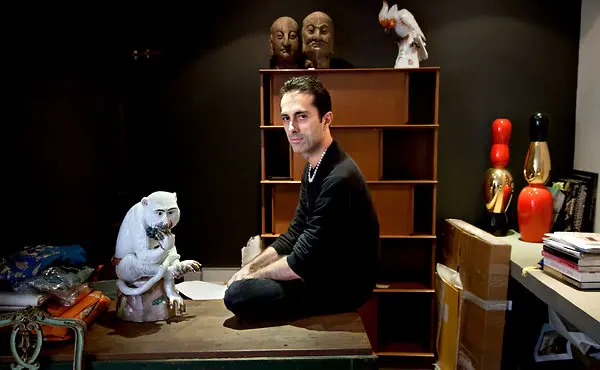
Valli’s abrupt withdrawal exposed the precarious economics sustaining even established couture houses. The Italian designer, admitted to the exclusive Chambre Syndicale de la Haute Couture in 2011, had built a reputation dressing celebrities like Rihanna and Ariana Grande in his signature voluminous tulle gowns. He’d earned France’s Ordre des Arts et des Lettres in 2025. Yet none of that creative success translated into financial sustainability.
Since 2021, Artémis—the Pinault family’s investment fund and majority stakeholder in Valli’s house—had been quietly evaluating the label’s viability. The parent company of luxury conglomerate Kering, which oversees brands like Gucci and Balenciaga, understood luxury economics better than most. When they initiated a “business review” in early 2026, insiders began hunting for new investors. The couture show cancellation became inevitable.
Valli’s struggle reflects a broader crisis. Haute couture operates on impossibly thin margins, sustained more by prestige and brand halo effect than actual profitability. When economic pressures mount, these houses become vulnerable—even with billionaire backing.
The Vanishing Act
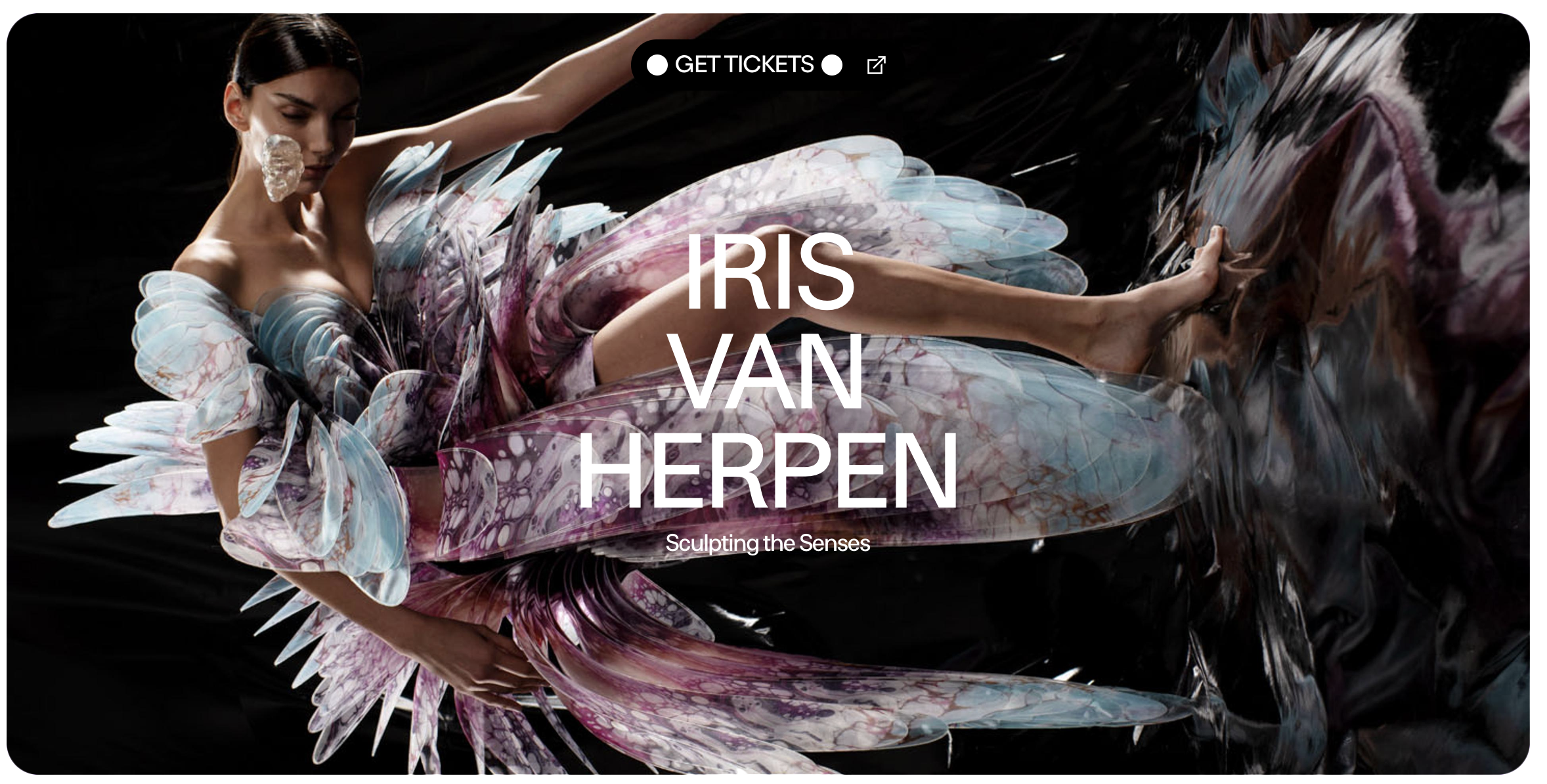
Valli wasn’t alone in his January 2026 absence. The official couture calendar revealed conspicuous gaps: Maison Margiela, Balenciaga, Jean Paul Gaultier, Givenchy, and Iris van Herpen all skipped the season. Some cited creative transitions, others offered no explanation. The cumulative effect was unmistakable—Paris couture’s traditional lineup was fragmenting.
These weren’t temporary sabbaticals. Major houses were reassessing whether the enormous expense of couture production—the hundreds of hand-sewing hours, the rare materials, the architectural construction—justified diminishing returns. For brands with thriving ready-to-wear and accessories businesses, couture had become an expensive marketing exercise rather than a viable product category.
When the City Itself Becomes an Obstacle
Financial pressures tell only part of the story. Paris itself has repeatedly undermined its own fashion week through circumstances beyond any designer’s control.
In January 2020, rail and metro strikes paralyzed the city during couture week. Small ateliers couldn’t receive fabric deliveries. Seamstresses couldn’t reach workrooms. Shows ran behind schedule as models and guests navigated a city with crippled public transportation. The logistical chaos exposed how dependent haute couture—supposedly the pinnacle of luxury—remains on functional infrastructure.
Three years later, in July 2023, widespread riots swept through French cities following police shootings. As unrest intensified in late June, designers preparing for couture week faced an impossible calculation: proceed with extravagant fashion presentations while the streets outside erupted in violence, or acknowledge that safety concerns made celebration inappropriate. Most shows continued, but the cognitive dissonance was palpable. Guests arriving at opulent venues passed through neighborhoods still smoldering from overnight fires.
Then came March 2020, when COVID-19 forced the cancellation of that summer’s men’s and haute couture weeks entirely. The pandemic didn’t just disrupt one season—it fundamentally questioned whether gathering hundreds of international guests in person for fashion shows made sense anymore. Digital alternatives emerged, but they couldn’t replicate the intimacy and craftsmanship appreciation that defined couture presentations.
The Runway as Battleground
Even when shows proceed as planned, disruptions arrive from unexpected sources. During Spring 2020 presentations, unauthorized protesters infiltrated runways, turning carefully choreographed shows into chaotic confrontations. Security failures allowed individuals to join models mid-show, creating viral moments that overshadowed the collections themselves.
These incidents revealed another vulnerability: haute couture’s commitment to spectacle and access creates security challenges that ready-to-wear shows, held in more controlled environments, can more easily manage. The very openness that makes couture week culturally significant makes it operationally fragile.
What Survival Looks Like
Paris Haute Couture Week persists, but its character is changing. Smaller, more financially stable houses continue presenting. Digital-native brands experiment with virtual couture. Established names like Chanel and Dior anchor the calendar with resources that allow them to weather disruptions most houses cannot.
Glenn Martens’ debut at Maison Margiela during a recent season demonstrated what’s possible when creative energy meets institutional support. His collection supplied “bold new energy” to a week that often felt formulaic, proving that couture innovation still resonates when properly resourced.
But for every Martens success, there’s a Valli struggle. For every house confidently presenting, there are several quietly reassessing whether participation makes business sense.
The question facing Paris isn’t whether haute couture will survive—it will, in some form. The question is what it will become: a smaller, more exclusive club of financially viable houses? A primarily digital experience? A biannual gathering that accepts sporadic participation as the new normal?
The Business of Dreams
Giambattista Valli’s canceled show represents more than one designer’s financial difficulties. It’s a symptom of systemic fragility in an industry that’s romanticized craftsmanship while struggling to build sustainable business models around it.
Haute couture has survived world wars, economic depressions, and countless predictions of its demise. It will likely survive this period of disruption as well. But the Paris that emerges—with its altered calendar, absent houses, and recalibrated expectations—will look markedly different from the one that crowned couture as fashion’s ultimate expression.
For now, the ateliers continue their work. Seamstresses still spend hundreds of hours on single garments. Designers still dream in tulle and silk. But increasingly, they’re doing so while their accountants run the numbers, their investors demand sustainability plans, and the city around them reminds everyone that even the most beautiful illusions require stable ground to stand on.
The champagne will flow again at Paris couture week. Just perhaps not for everyone who expected to pour it.
Key disruptions, particularly in 2026 and recent years, include: