

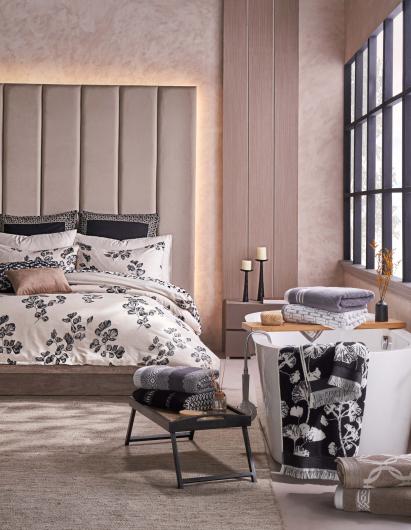
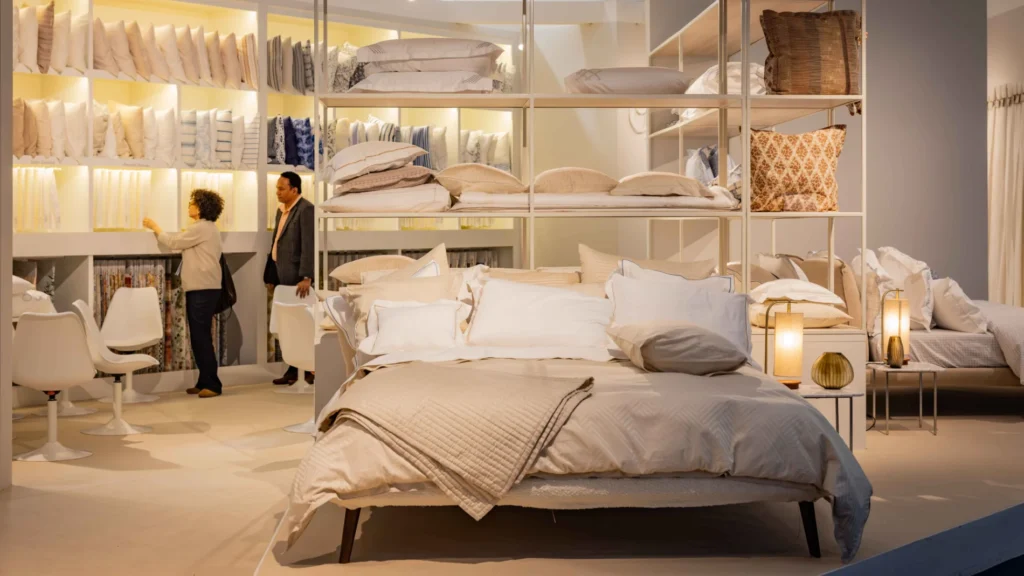
In hospitality, sleep is no longer a background expectation — it is a brand promise. At Heimtextil 2026, that reality took physical form through an expanded focus on beds, smart bedding, and sleep systems, positioning rest as one of the most critical touch points in guest experience design.
From luxury hotels and wellness resorts to extended-stay and healthcare environments, the trade fair made one message clear: the future of hospitality runs through the bedroom.
Sleep & Meet: A New Hub for the Sleep Economy
Making its debut at Heimtextil 2026, Sleep & Meet occupied nearly a quarter of Hall 4.0, signaling a decisive investment in the mattress and sleep sector. More than a product showcase, the area functioned as a meeting place for hospitality buyers, manufacturers, and sleep specialists, reflecting the growing strategic importance of rest-driven design.
Strong brands from the mattress and sleep systems market premiered in the space, including:
- Auping Germany
- Dormiente
- ergomed
- Hüsler Nest
- Rummel
- Schwarzwald Schlafsysteme
- Bettwaren Stendebach and Femira
Larger presentations from the EuroComfort Group — featuring Badenia, Brinkhaus, Lück — and fan frankenstolz with Heinrich Häussling and Centa Star further reinforced the category’s momentum.
The return of the Fachverband Matratzen-Industrie e.V. with its own stand underlined Heimtextil’s role as the central platform for the German and international mattress industry — and, increasingly, for hospitality decision-makers seeking differentiation through sleep quality.
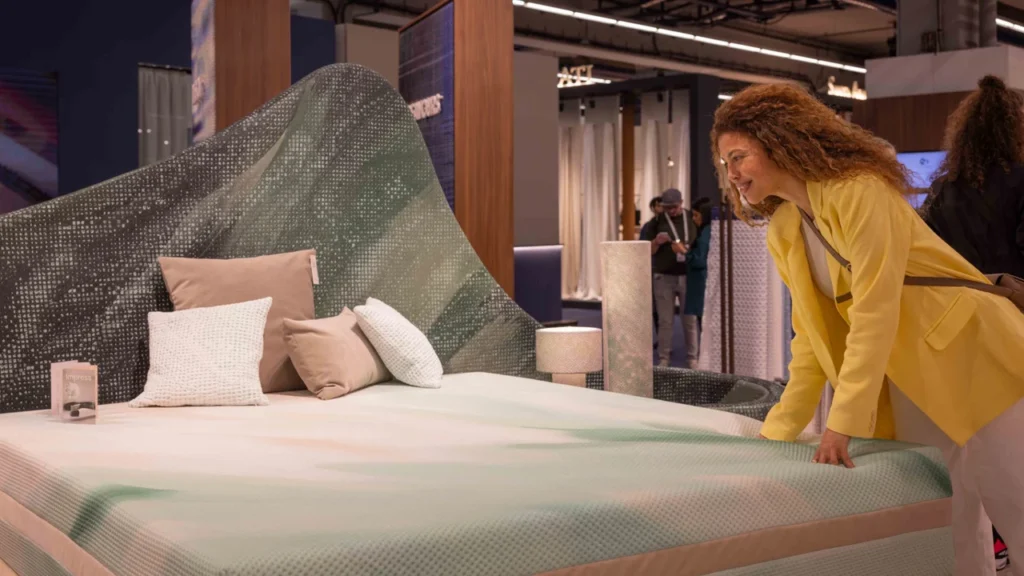
From Mattress to Mindset: Sleep as Guest Experience
For hospitality brands, bedding is no longer defined solely by softness or aesthetics. Heimtextil 2026 reflected a broader shift toward healthy, regenerative sleep environments — where ergonomics, material health, temperature regulation, and durability intersect.
Mattresses and bedding are now evaluated as:
- Wellness tools
- Operational investments
- Brand differentiators
This evolution aligns with growing guest awareness around sleep health, sustainability, and long-term comfort — particularly in premium and wellness-focused hospitality segments.
Bed, Bath & Living: Texture, Comfort, and Identity
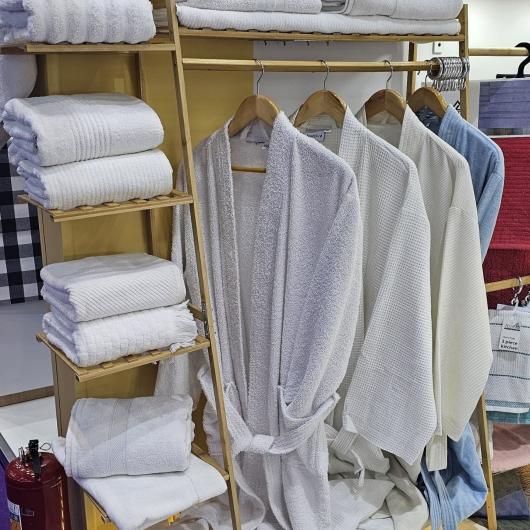
Beyond mattresses, Heimtextil’s Bed, Bath & Living halls (5.0, 5.1, 6.0, 6.1) showcased the tactile layers that define how guests feel in a space. High-quality bed linens, blankets, and decorative cushions demonstrated how textiles contribute to both sensory comfort and visual identity.
For hotels, these elements play a dual role:
- Creating a recognizable in-room signature
- Supporting operational needs such as laundering performance, longevity, and sustainability
The breadth of offerings highlighted Heimtextil’s strength in serving diverse hospitality models, from boutique hotels to large international chains.
Smart Bedding: When Comfort Meets Technology
At the heart of the sleep conversation was Smart Bedding in Hall 4.0, where innovation took center stage. Here, comfort merged with intelligent systems — from advanced sleep surfaces to textile processing technologies designed for consistency and scalability.
For hospitality operators, smart bedding represents:
- Enhanced sleep personalization
- Improved durability and hygiene
- Opportunities to align sleep quality with wellness branding
Even without overt “tech spectacle,” the emphasis was on quiet innovation — solutions that improve rest without disrupting the guest experience.
Knowledge as a Competitive Advantage
Heimtextil complemented product discovery with education. At the Texpertise Stage in Hall 6.0, talks and guided tours offered insights into:
- Sleep health trends
- Material innovation
- Sustainable production
- Hospitality-specific applications
For hoteliers and specifiers, this knowledge exchange reinforced a critical insight: sleep design is now a multidisciplinary discipline, blending textiles, ergonomics, sustainability, and brand storytelling.