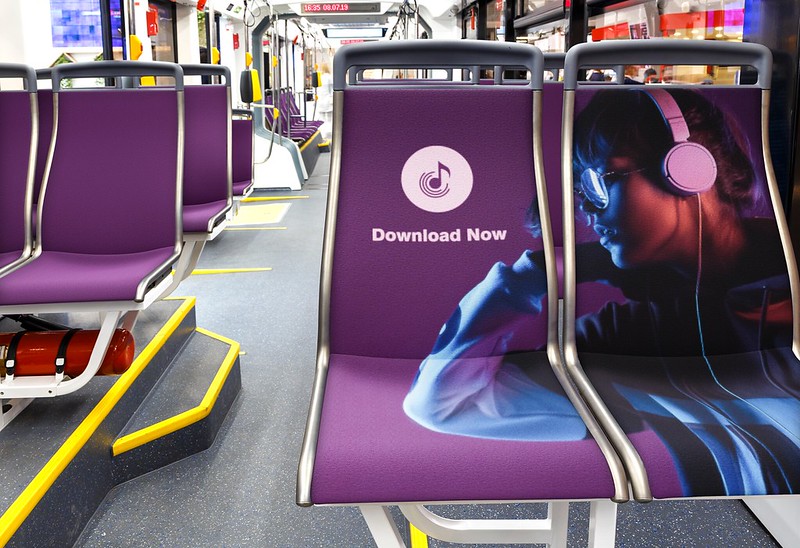
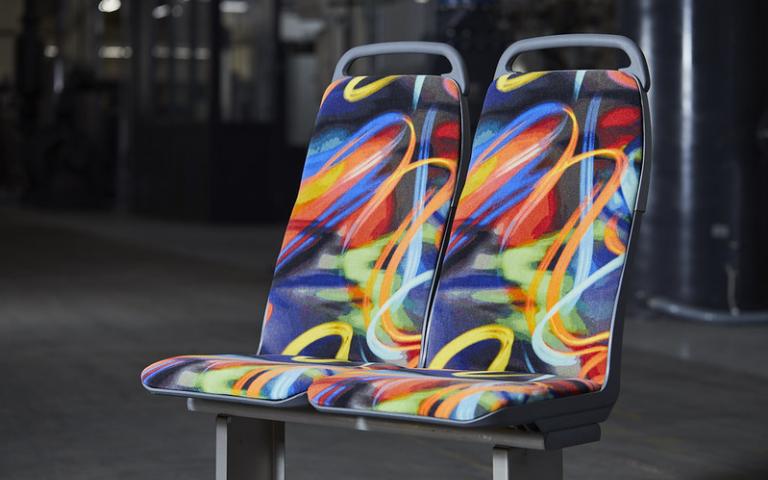
As public transport interiors evolve to meet rising expectations around sustainability, durability, and design flexibility, textile innovation is playing a decisive role. In a major step forward for the bus and coach sector, Camira has launched Camira Print, a new digital print technology that removes long-standing design and colour constraints for transport operators and interior specifiers.
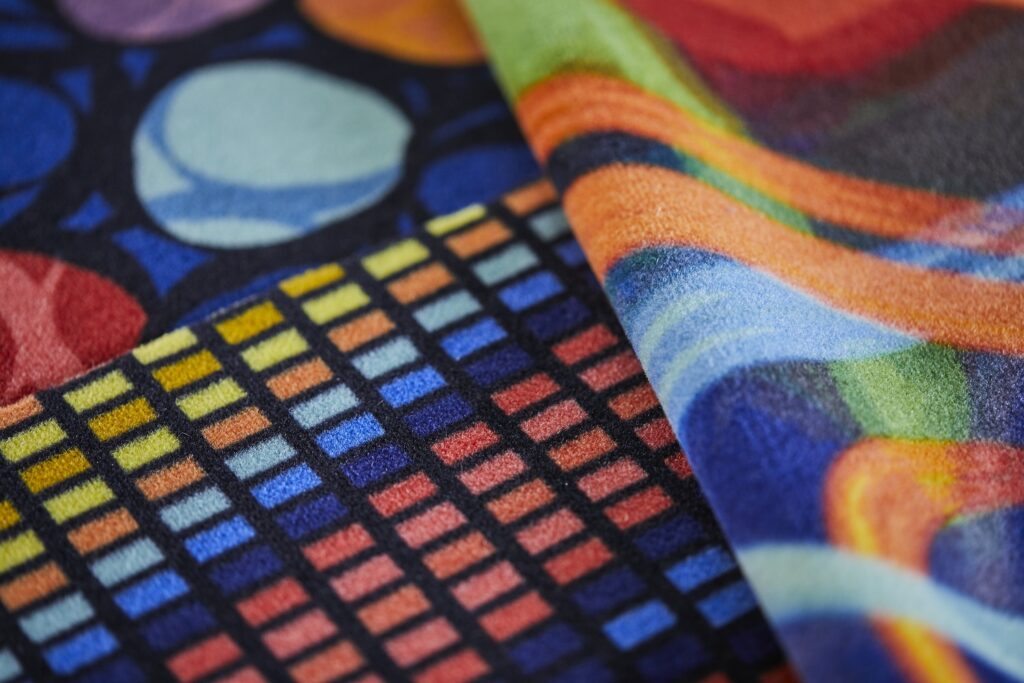
Described by the company as “an exciting development for the transport industry,” Camira Print enables unprecedented creative freedom—allowing fabrics to be produced without restrictions on pattern repeat, scale, or colour, while significantly reducing lead times and minimum order quantities. For an industry historically limited by traditional weaving constraints, the implications are substantial.
The launch coincides with a landmark moment in Camira’s history. In a year marking 200 years of involvement in transport textiles, the introduction of Camira Print signals a clear commitment to remaining at the forefront of technical and aesthetic innovation.
Redefining What’s Possible in Bus and Coach Interiors
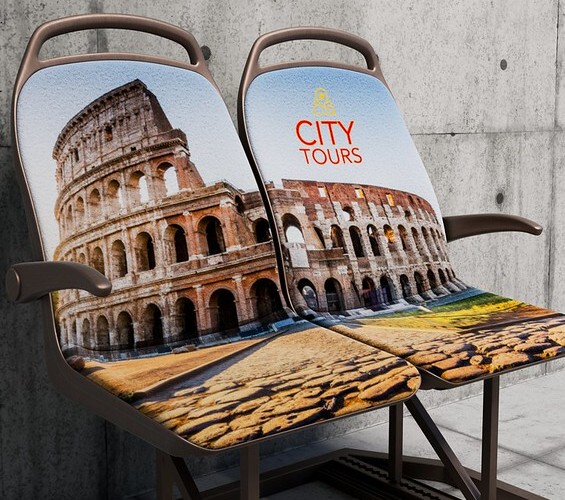
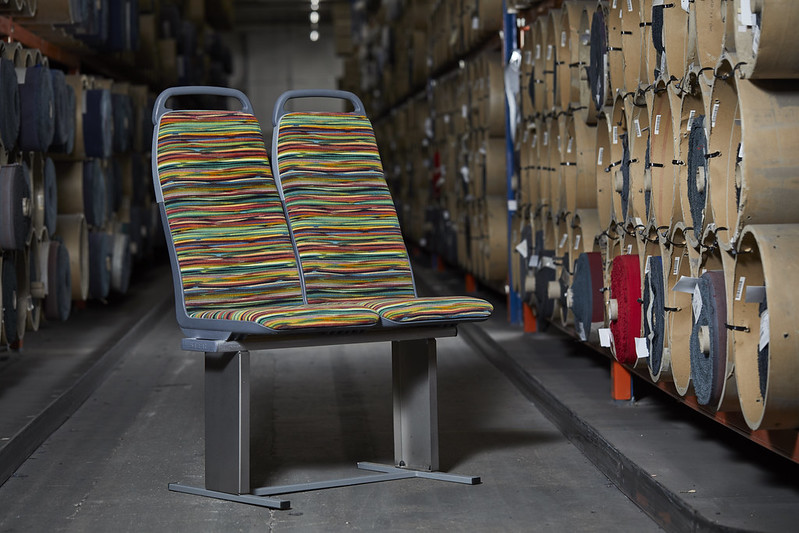
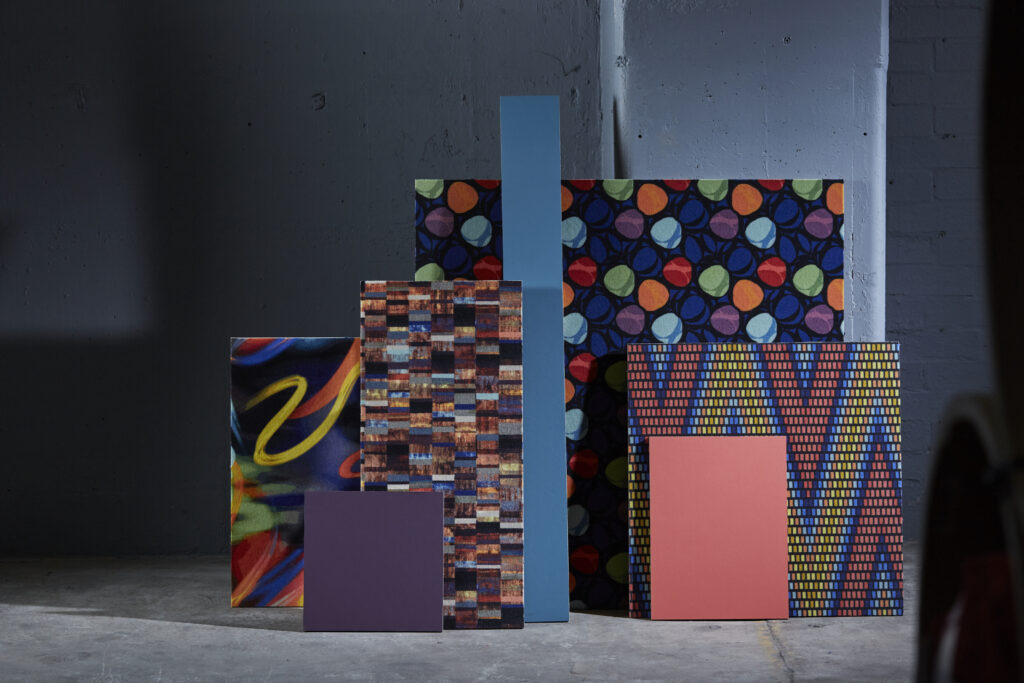
For bus and coach operators, interior textiles serve multiple roles: branding, durability, comfort, and increasingly, storytelling. Camira Print opens the door to immersive interior concepts—whether that means bold brand expressions, large-scale graphics, photographic imagery, or integrated advertising campaigns.
“For those who want to push creative boundaries, there is truly no limit to what is possible,” says Ciara Crossan, Transport Creative Manager at Camira. “Designers can go as big as they like in scale, as bold as they like in colour, and create experiences that were previously unachievable with conventional transport fabrics.”
To complement fully bespoke projects, Camira has also curated a ready-to-spec Camira Print collection. This includes trend-led patterns and colour palettes designed to meet common transport requirements, with rapid dispatch timelines—bridging the gap between creative ambition and operational practicality.
Engineered for Performance, Designed for Comfort
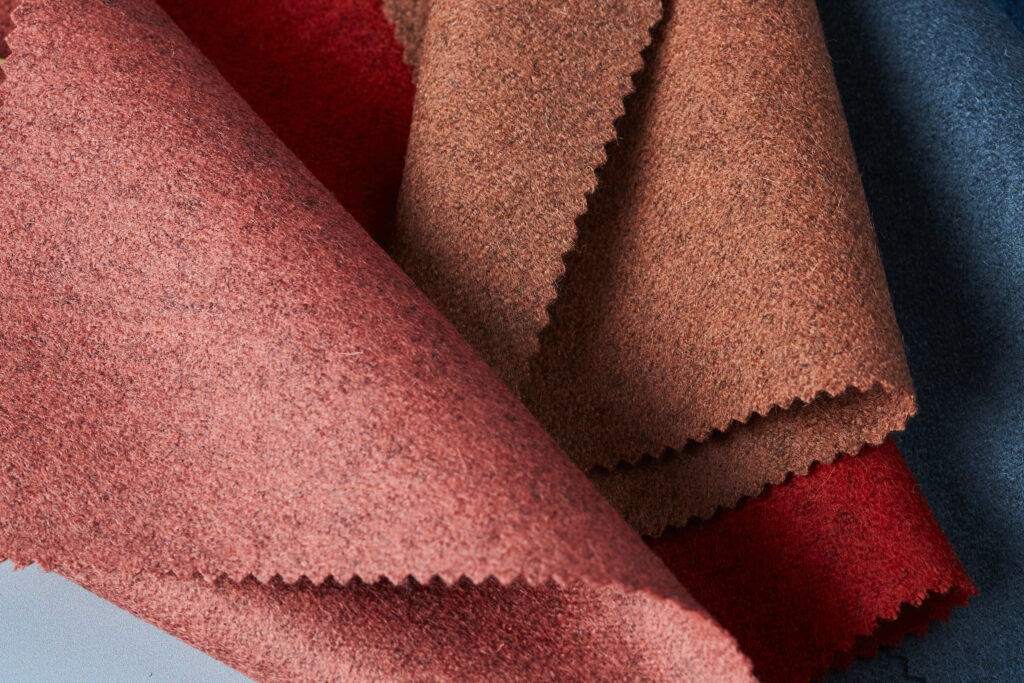
Each Camira Print design is applied to a lightweight moquette developed exclusively for digital printing. Featuring a velour finish, the fabric delivers high colour saturation, tactile comfort, and visual depth—while maintaining the performance characteristics required for demanding passenger environments.
Woven from naturally sustainable wool, the textile reinforces Camira’s long-standing commitment to material responsibility. Wool’s inherent durability, fire performance, and comfort make it a natural choice for high-traffic transport interiors, now enhanced through advanced digital print capability.
Sustainability at the Core of Innovation
Camira’s digital print launch builds on a broader sustainability strategy that continues to reshape its product portfolio.
In 2025, the company expanded several key ranges:
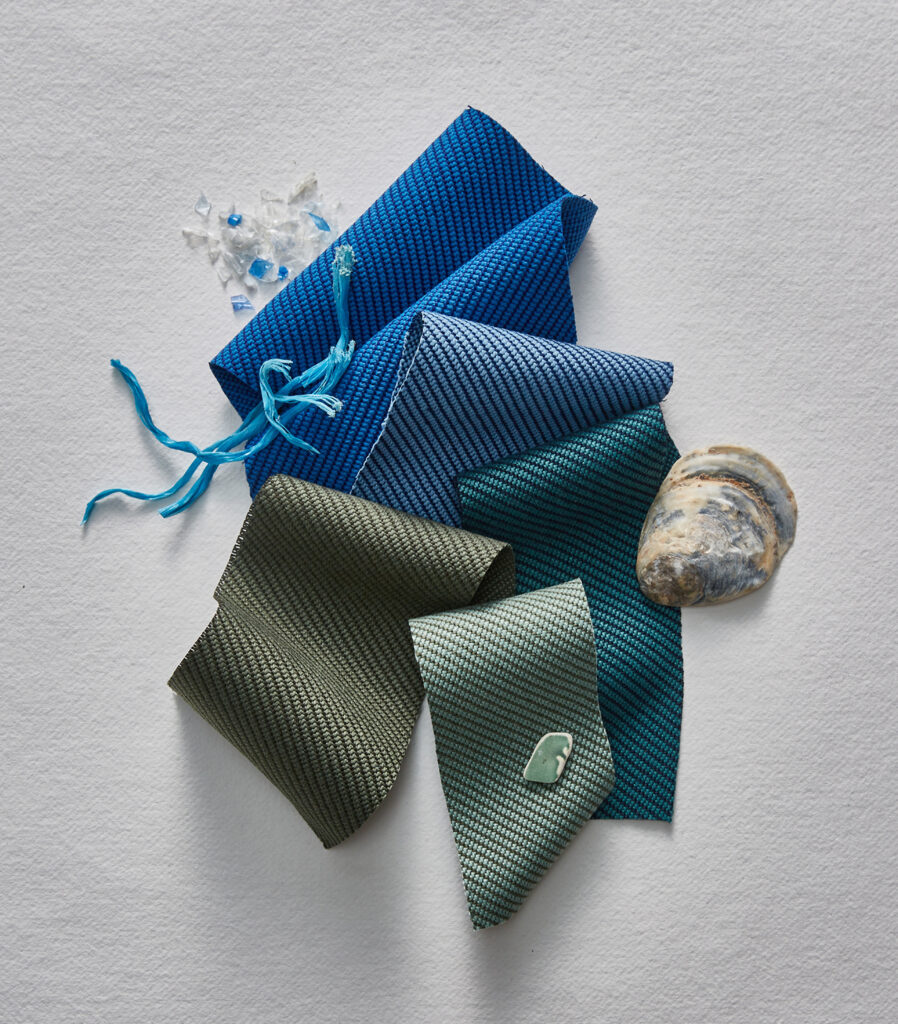
- Oceanic, now refreshed with 14 new colours, is made from 100% post-consumer recycled polyester, including 50% SEAQUAL® YARN derived from marine plastic waste.
- RePlay Zero 66, a wider-width adaptation of its recycled polyester fabric, transforms plastic bottles into a modern woven textile with a knitted aesthetic.
- Lucia T2T, unveiled on the United Nations’ International Day of Zero Waste, represents a significant milestone: a fabric made from 100% textile-to-textile recycled polyester, sourced from fashion and garment waste rather than plastic bottles.
Lucia T2T addresses one of the textile industry’s most pressing challenges. With millions of tonnes of fabric sent to landfill annually—and less than 1% recycled into new textiles—the move toward tertiary recycling signals a critical shift toward circular material systems.
By regenerating discarded textiles into high-performance polyester without colour constraints, Camira demonstrates how waste can be reimagined as a valuable resource rather than an end-of-life problem.
Managing Change in a Global Portfolio
Alongside innovation, Camira continues to manage its product lifecycle responsibly. Selected products have been reinstated in response to market demand, while others are being phased out gradually through 2026 to support existing specifications and long-term projects. This structured approach ensures continuity for designers, operators, and manufacturers navigating evolving technical, regulatory, and supply-chain landscapes.
The Human Expertise Behind Technical Progress
Behind Camira’s technological advances is deep in-house expertise. From technical developers to sustainability leaders, the company emphasizes long-term skills development as a foundation for innovation.
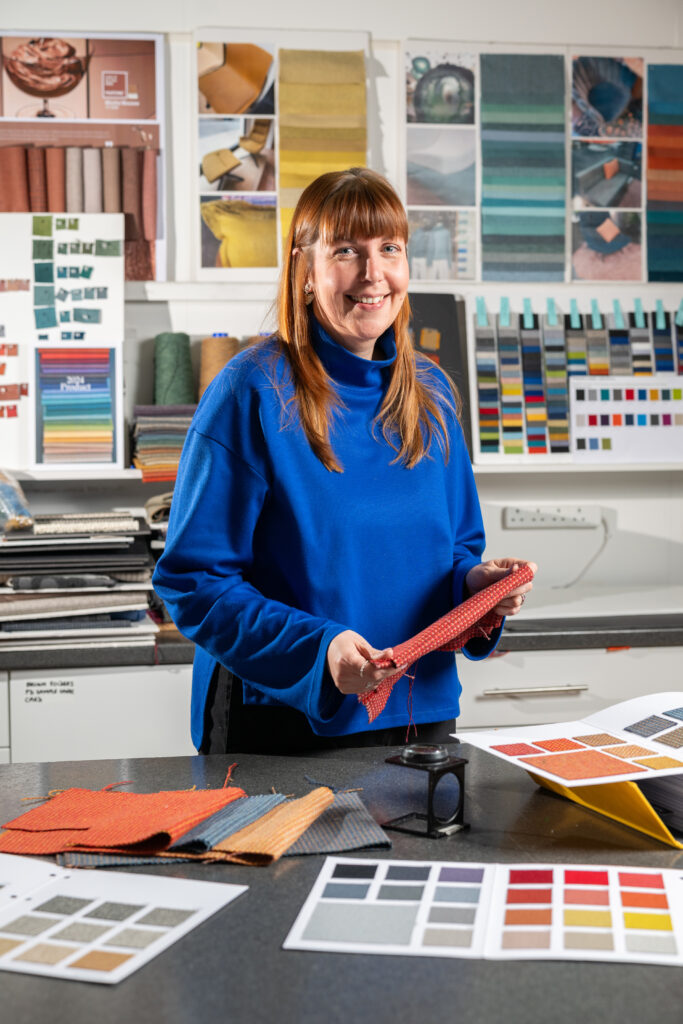
Senior Technical Developer Louise Taylor exemplifies this approach, having progressed from an apprenticeship into a senior technical role over more than two decades. Working closely with design teams, her focus on fabric performance, treatments, and compliance underscores the human knowledge required to translate creative ideas into commercially viable, high-performance transport textiles.
As the industry faces rapid change, this blend of technical rigor, creative ambition, and institutional knowledge remains a defining strength.
A New Era for Transport Textile Design
With Camira Print, the company has effectively removed one of the last creative barriers in transport interiors. Operators and designers are no longer constrained by repeats, limited colourways, or high minimums. Instead, they gain the flexibility to design interiors that are expressive, functional, and aligned with modern expectations around sustainability and passenger experience.
As public transport systems worldwide seek to attract riders, reinforce identity, and reduce environmental impact, innovations like Camira Print demonstrate how textiles—often overlooked—can become a powerful platform for reinvention.
Two centuries into its journey, Camira is not simply celebrating its heritage. It is actively redefining the future of transport textiles.