

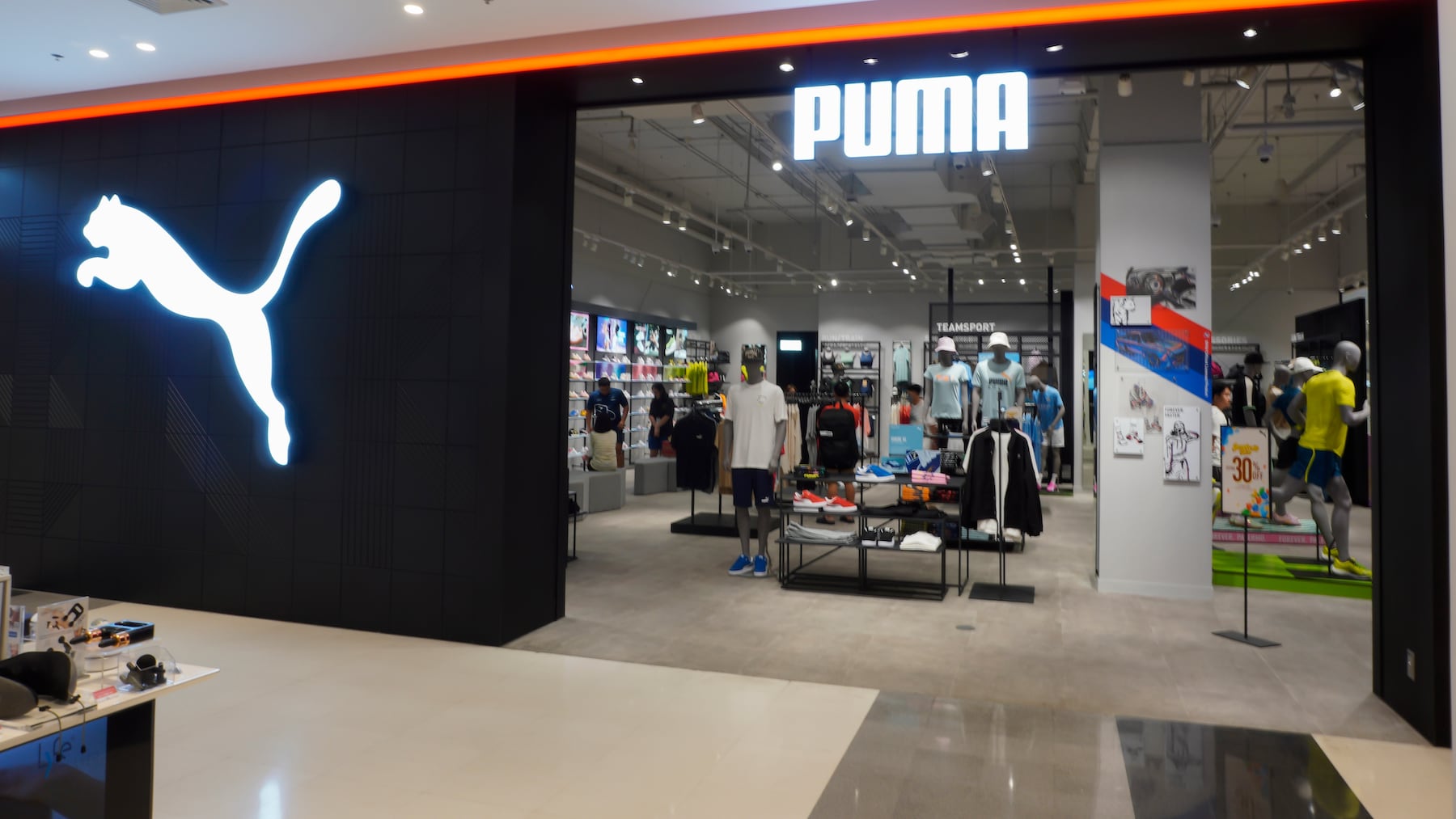
After months of speculation, Anta has finally acquired the Pinault family’s 29 percent stake in Puma. Suddenly, the brand’s future doesn’t seem so bleak.
By Garment District News — Business, Sportswear & Global Strategy
After months of industry speculation, China’s Anta Sports has officially moved to acquire the Pinault family’s stake in Puma — a deal that could mark a turning point for the German sportswear brand.
On January 27, 2026, Anta announced it had reached a share purchase agreement to acquire a 29.06% stake in Puma from Groupe Artémis, the investment company of the Pinault family, for approximately €1.5 billion ($1.8 billion). The transaction will make Anta the largest shareholder in Puma once completed, though the company has stated it does not currently intend to launch a full takeover bid.
The deal is expected to close by the end of 2026, pending regulatory approvals and customary conditions.
A Brand Under Pressure
Puma has faced mounting challenges over the past several years, including slowing sales momentum, increased competition from rivals like Adidas and emerging performance brands, and strategic uncertainty following leadership changes.
Investor confidence had weakened significantly, with shares trading near multi-year lows prior to the Anta announcement. The acquisition immediately shifted market sentiment, signaling that Puma could benefit from new capital, expertise, and access to Asian growth markets.
Why Anta Matters
Anta is not just another investor. The Chinese sportswear giant has built a reputation for successfully acquiring and scaling global brands, most notably through its 2019 acquisition of Amer Sports, which includes Salomon, Wilson, and Arc’teryx.
The Puma investment aligns with Anta’s long-term strategy of building a multi-brand global sportswear portfolio. Leadership at Anta has emphasized that Puma’s heritage and international recognition make it a strong partner for future expansion, particularly in China and broader Asian markets.
For Puma, the partnership offers something it has struggled to achieve independently: stronger penetration into the world’s fastest-growing sportswear markets.
The Pinault Exit: Strategic Refocusing
The Pinault family originally acquired its Puma stake in 2018 when luxury conglomerate Kering distributed shares to focus more heavily on its core luxury brands.
Selling the stake in 2026 reflects a broader strategic shift back toward luxury investments, allowing the family’s holding company to concentrate resources on brands such as Gucci, Saint Laurent, and Balenciaga.
Why This Could Be a Turning Point for Puma
Industry analysts see several potential advantages from Anta’s involvement:
1. Access to Chinese Market Growth
China remains one of the largest opportunities in global sportswear, and Anta’s distribution expertise could significantly expand Puma’s reach.
2. Operational Discipline
Anta’s track record suggests stronger cost management and supply chain efficiency — areas where Puma has faced pressure.
3. Strategic Stability
A committed anchor investor provides confidence during a period of brand repositioning and leadership transition.
4. Brand Collaboration Opportunities
Anta’s multi-brand ecosystem may create innovation synergies across performance technology, manufacturing, and marketing.
Not a Takeover — At Least for Now
Despite becoming the largest shareholder, Anta has been clear that it does not currently plan to acquire full control of Puma. Instead, the strategy appears focused on partnership, influence, and long-term value creation rather than immediate consolidation.
However, industry observers note that strategic stakes often evolve over time, leaving open the possibility of deeper collaboration in the future.
The Bigger Picture: Sportswear Consolidation
The deal also reflects a broader trend: consolidation and globalization across the sportswear sector. As competition intensifies and consumer expectations evolve, brands increasingly rely on partnerships, investment alliances, and cross-regional expertise to remain competitive.
For Puma, aligning with a financially strong and operationally experienced partner could provide the stability needed to regain momentum.
A More Optimistic Future
While challenges remain, Anta’s investment changes the narrative surrounding Puma. Instead of a brand struggling to regain relevance, Puma now has a strategic ally with proven growth capabilities and access to key international markets.
In an industry defined by scale, speed, and global reach, Anta’s stake may not just stabilize Puma — it could reshape the brand’s next chapter.