

In an era of fast fashion and digital design, textile tourism offers something increasingly rare: time, place, and human connection woven directly into the creative process. More than a trend, this form of cultural travel is becoming a powerful way for designers, makers, and enthusiasts to deepen their practice, preserve traditional skills, and build meaningful global networks.
By combining hands-on learning with cultural immersion, textile tourism transforms travel into an extension of the studio—one shaped by history, landscape, and shared passion.


Design Inspiration Beyond the Studio
For many creatives, inspiration begins to plateau when confined to familiar environments. Textile tourism disrupts that cycle.
Working in historic weaving towns, visiting centuries-old museums, or learning in a rural atelier exposes designers to:
- Regional color traditions
- Local fiber sources
- Historical pattern systems
- Architectural and environmental textures
- Cultural approaches to ornamentation
These influences often find their way back into contemporary collections, interiors, costume design, and experimental textiles.
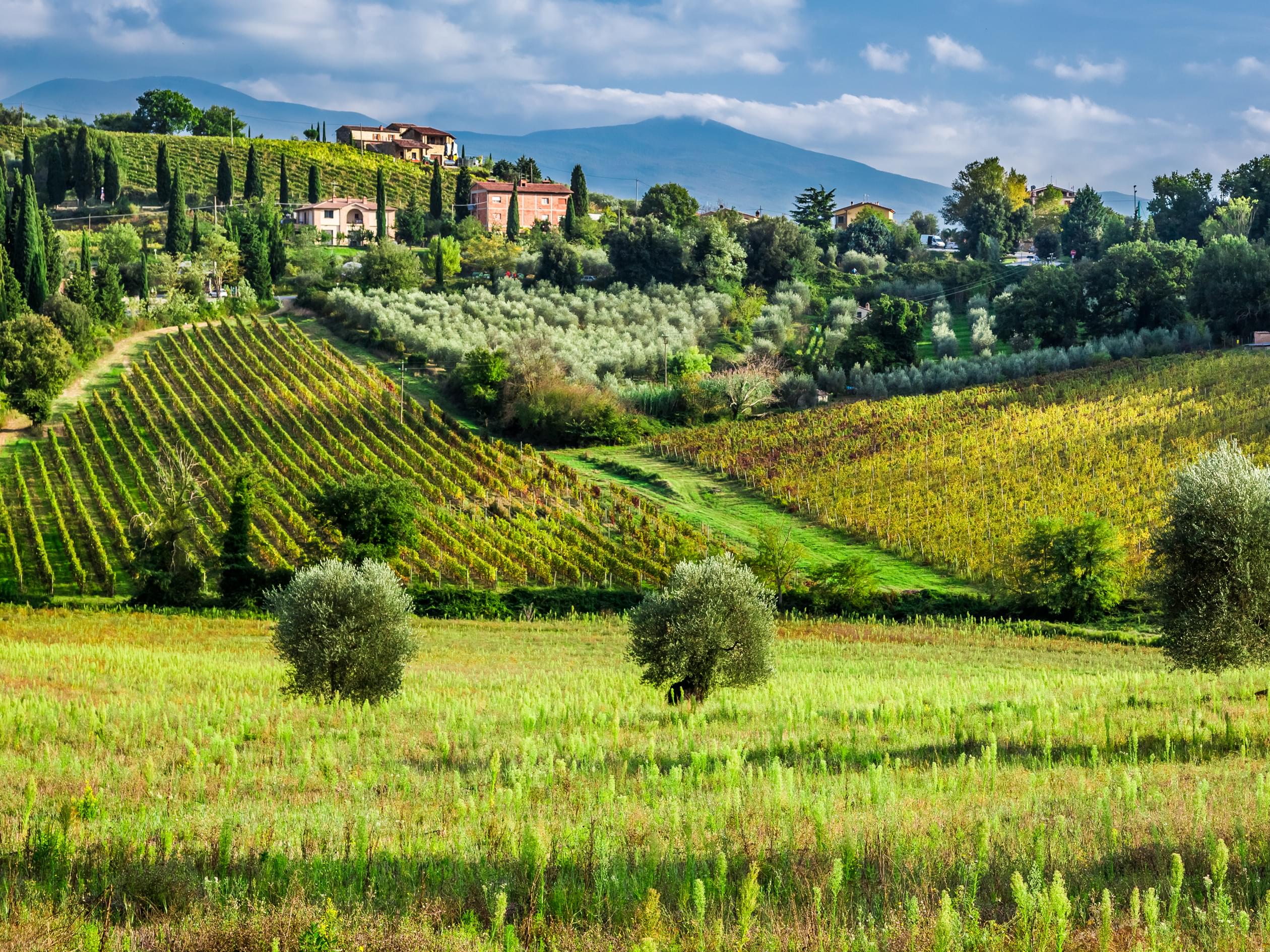
A scarf woven in Tuscany, for example, may carry subtle references to Renaissance tapestries, Mediterranean light, and regional materials—elements difficult to replicate in a conventional classroom.
Textile tourism encourages designers to think not only about form and function, but about context.
Preserving Living Craft Traditions
Around the world, many textile traditions face extinction as industrial processes replace handmade production. Textile tourism plays a growing role in sustaining these skills.
By traveling to learn directly from master artisans, participants help:
- Support independent studios
- Fund small workshops
- Document traditional techniques
- Pass knowledge to new generations
- Keep regional practices economically viable
Whether it’s handloom weaving, natural dyeing, passementerie, or embroidery, these skills survive best when they are practiced, taught, and valued.
In this way, textile tourism functions as both education and conservation.
It turns heritage into something active—something lived rather than archived.


Building Creative Communities Across Borders
One of the most powerful outcomes of textile tourism is community.
Participants often arrive from different countries, industries, and backgrounds—fashion designers, costume specialists, educators, hobbyists, artists, and historians. What unites them is a shared respect for making.
Over long workshop days, shared meals, and group excursions, these temporary communities form around:
- Problem-solving at the loom
- Material experimentation
- Design critiques
- Cultural exchange
- Professional networking
Many participants leave with lifelong collaborators, mentors, and friends.
In a creative industry that can often feel isolated, textile tourism fosters collective growth.
Here are some great companies to consider:



Disclosure: Garment District News is not sponsoring, organizing, or financially affiliated with this textile travel experience. This article is for editorial and informational purposes only. Interested readers can learn more or register directly through the program organizer.