

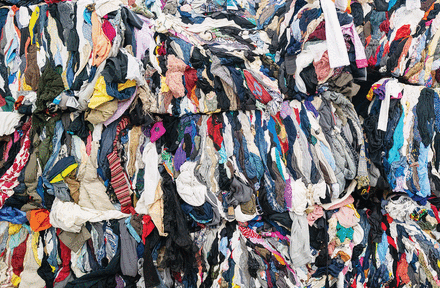
For many years, the fate of discarded clothing, bedsheets, and various household textiles like towels and old drapes was consistent across the globe. Once these items reached the end of their useful life, they were typically sent to landfills, incinerated, or repurposed in low-value ways. However, this traditional model—which prioritized disposal over reuse or recycling—is now facing significant change on a global scale.
In China and beyond, the textile industry is increasingly reimagining waste as a renewable resource—driven by advanced recycling technologies, digital traceability, and international collaboration. Together, these efforts are reshaping how fashion and manufacturing approach sustainability.
China’s Expanding Circular Infrastructure
China’s textile sector has made major strides in reducing environmental impact while expanding recycled fiber production. Energy efficiency has improved significantly, and recycled material use continues to rise.
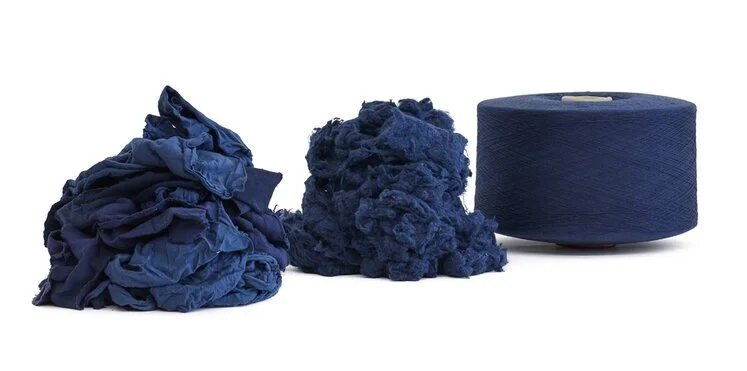
Across major manufacturing regions, pilot and industrial-scale facilities now convert post-consumer garments into new raw materials. Chemical, enzymatic, and hybrid recycling systems allow blended fabrics—once considered unrecyclable—to be separated and regenerated.
This shift reflects a broader redefinition of waste. Discarded textiles are no longer viewed as end-of-life products, but as part of a continuous material cycle.
Global Momentum in Textile Circularity
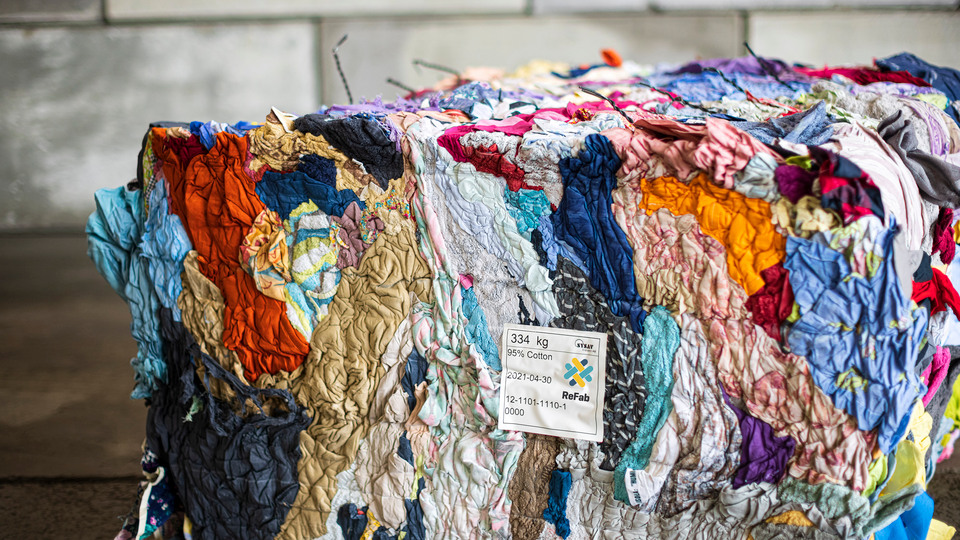
China’s progress is part of a wider international movement toward circular fashion systems.
Across Europe, Asia, and the Americas, governments, brands, and research institutions are investing in similar models.
Europe: Industrial-Scale Fiber Regeneration
In countries such as Sweden, Netherlands, and Germany, large-scale textile recycling plants are converting cotton and polyester waste into high-quality fibers for reuse in apparel.
These initiatives are closely aligned with the European Union’s circular economy regulations, which require:
- Extended producer responsibility
- Mandatory textile collection systems
- Minimum recycled content targets
- Product durability standards
Europe’s policy-driven approach has helped accelerate commercialization of recycling technologies.
Japan: Precision Recycling and Material Innovation
In Japan, textile circularity is closely linked to advanced materials science. Companies and research centers focus on:
- High-purity fiber separation
- Automated garment disassembly
- Robotics-assisted sorting
- Closed-loop polyester regeneration
Japanese manufacturers emphasize efficiency and precision, ensuring that recycled fibers meet strict quality requirements for technical and performance textiles.
United States: Brand-Led Circular Models
In the United States, circularity has been driven largely by major brands and startups. Programs focus on:
- Take-back systems
- Resale and refurbishment platforms
- Fiber-to-fiber recycling partnerships
- Consumer-facing transparency tools
While infrastructure remains uneven, corporate investment is helping expand recycling capacity and public awareness.
Latin America and South Asia: Community-Based Circular Systems
In regions such as India, Bangladesh, and parts of Latin America, circularity often takes a more community-centered form.
Here, reuse, repair, and remanufacturing networks play a major role. Informal recycling sectors and cooperative workshops extend garment lifecycles through:
- Manual fiber recovery
- Secondhand redistribution
- Upcycling enterprises
- Local repair economies
These models highlight the social dimension of circularity alongside environmental goals.
Shared Challenges Across Borders
Despite growing investment, most countries face similar obstacles.
Globally:
- Less than 2% of textiles are recycled into new garments
- Most “recycled” fabrics are downcycled into low-value products
- Blended fibers remain difficult to process
- Recycling costs remain high
- Collection systems are inconsistent
Whether in China, Europe, or North America, scaling high-quality recycling remains the industry’s biggest hurdle.
Digital Tools as a Global Enabler
One of the most promising areas of international alignment is digital traceability.
China’s development of digital product identification systems mirrors similar initiatives in Europe and North America. These systems align closely with frameworks promoted by organizations such as the Ellen MacArthur Foundation, which has championed circular design worldwide.
Digital product passports and lifecycle databases enable:
- Material composition tracking
- Carbon footprint reporting
- Automated sorting at recycling plants
- Design-for-recyclability incentives
- Supply chain transparency
As more countries adopt interoperable systems, digitalization may become the backbone of global circularity.
From National Innovation to Global Standards
China’s textile sector is increasingly integrating its domestic advances into international sustainability frameworks. This mirrors similar efforts in Europe and Japan, where pilot projects evolve into standardized practices.
Across leading regions, a shared model is emerging:
- Pilot technologies
- Evaluate performance
- Refine systems
- Scale infrastructure
- Establish regulations
- Integrate supply chains
This “practice–review–iteration” cycle allows circular solutions to mature rapidly.
As a result, innovations developed in one country increasingly influence global production networks.
Redefining Value in the Global Textile Economy
Together, these national efforts are transforming how value is defined in fashion and manufacturing.
In the emerging circular economy:
- Waste becomes feedstock
- Durability becomes a competitive advantage
- Transparency becomes market currency
- Recycling becomes core infrastructure
- Sustainability becomes economic strategy
Products are no longer judged only by their initial sale, but by how long and how effectively their materials circulate.
A Shared Path Forward
China’s progress in recycling technology, digital tracking, and industrial scaling places it among the leaders of textile circularity. Yet its success is closely tied to parallel developments in Europe, Japan, the United States, and emerging economies.
No single country can solve textile waste alone. Circular systems depend on:
- Cross-border material flows
- Shared technical standards
- Coordinated policy frameworks
- Brand accountability
- Consumer participation
The future of circular fashion will be global—or it will not succeed.
From Waste to Worldwide Value
The textile industry is entering a period of structural transformation. Across continents, discarded fabrics are being reimagined as long-term assets rather than disposable products.
China’s expanding infrastructure, Europe’s regulatory leadership, Japan’s material innovation, America’s brand-driven models, and community-based systems in developing economies are converging into a shared vision.
In this new chapter, circularity is no longer a niche experiment. It is becoming the foundation of a resilient, transparent, and regenerative global textile economy—where waste is not the end of the story, but the beginning of continuous value creation.