
Move over period-drama plot twists — generative AI is delivering plenty of intrigue inside the fashion industry itselfBy Garment District News — Technology, Fashion & Business
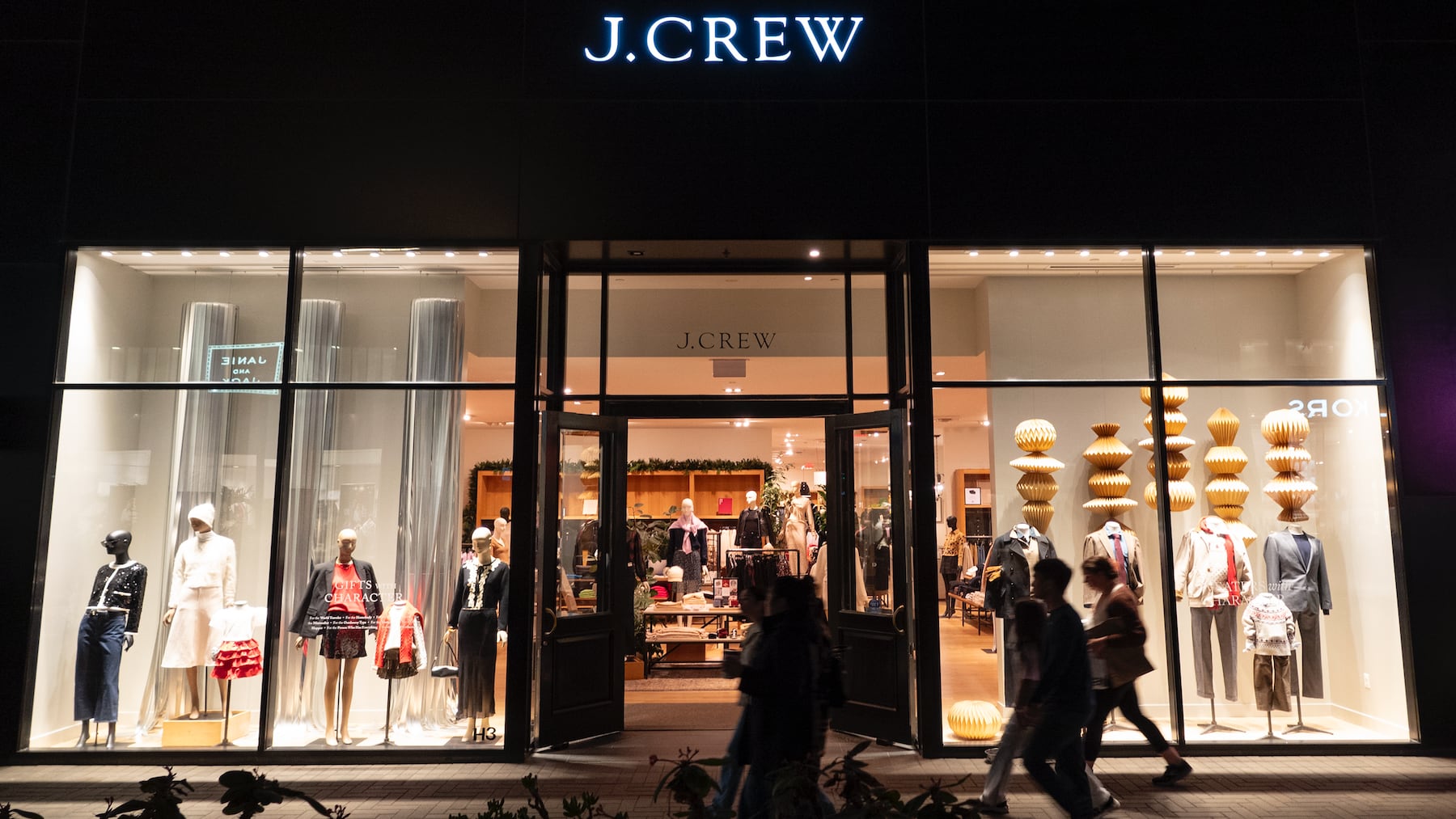
Who says fashion doesn’t have drama? While television audiences follow fictional scandals, the industry is navigating its own real-world tensions — this time centered on artificial intelligence. The latest controversy involves J.Crew, which has found itself pulled into debates about how brands are deploying generative AI tools, just as new research warns companies to proceed carefully.
The situation highlights a growing reality: AI adoption in fashion is accelerating faster than the industry’s ethical frameworks, operational readiness, and consumer expectations.


J.Crew and the AI Backlash Moment
J.Crew recently became a focal point in the ongoing AI debate after criticism emerged around the brand’s use of artificial intelligence in marketing and creative workflows. The controversy arrives at a time when companies are experimenting with AI-generated imagery, product visualization, and campaign development to reduce costs and accelerate production timelines.
At the same time, a new MIT study suggests fashion businesses may need to rethink how they integrate generative AI. Researchers warn that poorly implemented AI systems can create reputational risk, undermine trust, and generate outputs that fail to meet consumer expectations — particularly in industries where authenticity and brand storytelling are critical.
The research reinforces a broader concern: AI is powerful, but missteps are highly visible.
Fashion’s Expanding AI Controversy Landscape
J.Crew is far from alone. Over the past two years, several major brands have faced scrutiny related to AI usage:
Levi’s (2023–2024)
The company sparked debate after announcing plans to use AI-generated models to increase diversity in marketing imagery. Critics questioned whether synthetic representation could replace real human inclusion.
Mango (2024)
The retailer acknowledged using AI-generated visuals in campaigns, triggering discussion about transparency and disclosure standards.
H&M (Ongoing experimentation)
As the company tests AI in design and marketing workflows, conversations continue around labor implications and creative authenticity.
Luxury Houses and AI Design Tools
Multiple luxury brands have explored generative design internally, raising questions about intellectual property ownership and originality.
These controversies reflect an industry still defining boundaries around AI adoption.
The Core Tension: Efficiency vs. Authenticity
Fashion companies are drawn to AI for clear reasons:
- Faster campaign production
- Lower content creation costs
- Rapid design prototyping
- Personalized marketing capabilities
- Supply chain forecasting improvements
However, fashion also depends heavily on emotional connection, creativity, and cultural authenticity. When AI tools appear to replace human artistry — or when consumers feel misled — backlash can occur quickly.
This tension between efficiency and authenticity is at the heart of current controversies.
The Consumer Trust Factor
Unlike many industries, fashion brands sell identity and aspiration as much as physical products. Consumers often form emotional relationships with brands, making trust particularly fragile.
AI-related risks include:
- Perceived loss of authenticity
- Ethical concerns around labor displacement
- Copyright and intellectual property disputes
- Transparency and disclosure issues
- Quality inconsistencies in AI-generated visuals
Companies that fail to communicate clearly about AI usage may face reputational damage.
Creative Workforce Concerns
Another dimension of the debate involves creative professionals. Designers, photographers, stylists, and models are evaluating how AI may affect employment and artistic recognition.
While some see AI as a productivity tool, others worry about:
- Reduced opportunities for human creators
- Ownership of AI-generated work
- Compensation models
- Long-term industry impact
These concerns contribute to ongoing scrutiny of brand AI initiatives.
Why Fashion Companies Need Strategy — Not Just Technology
The MIT research emphasizes that successful AI integration requires more than adopting tools. Companies must build frameworks addressing:
- Ethical guidelines
- Data governance
- Brand alignment
- Transparency policies
- Human oversight
Organizations treating AI purely as a cost-saving mechanism may encounter greater risk than those integrating it thoughtfully.
AI Still Holds Massive Opportunity
Despite controversies, AI remains one of the most transformative technologies for fashion. Potential benefits include:
- Reduced overproduction through better forecasting
- Sustainable design optimization
- Enhanced personalization for customers
- Faster innovation cycles
- Improved supply chain resilience
The challenge is not whether to adopt AI — but how.
The Industry’s Learning Curve
Fashion has always evolved alongside technology, from industrial sewing machines to digital design software. Generative AI represents the next phase — but with greater cultural implications.
Brands navigating this transition successfully will likely share common traits:
- Transparent communication
- Respect for creative talent
- Ethical implementation strategies
- Strong brand identity alignment
The New Reality: Fashion Has Entered Its Tech Era
The recent controversies show that fashion’s relationship with technology is no longer theoretical. AI is actively reshaping how products are designed, marketed, and sold.
In 2026, fashion’s biggest drama may not involve hemlines or trends — it may revolve around algorithms, authenticity, and how brands balance innovation with trust.