
Public transportation is in the midst of a quiet but profound transformation. While conversations often focus on electrification, automation, and digital ticketing, one of the most impactful shifts is happening at eye level, armrest level, and seat back level: textiles. The materials that line buses, coaches, and transit vehicles are being reinvented to deliver sustainability, durability, and a passenger experience that rivals private mobility.
At the center of this evolution is Ultrafabrics, a company that for more than 25 years has challenged assumptions about what performance upholstery can be.
From Utility to Experience: Redefining Transit Interiors
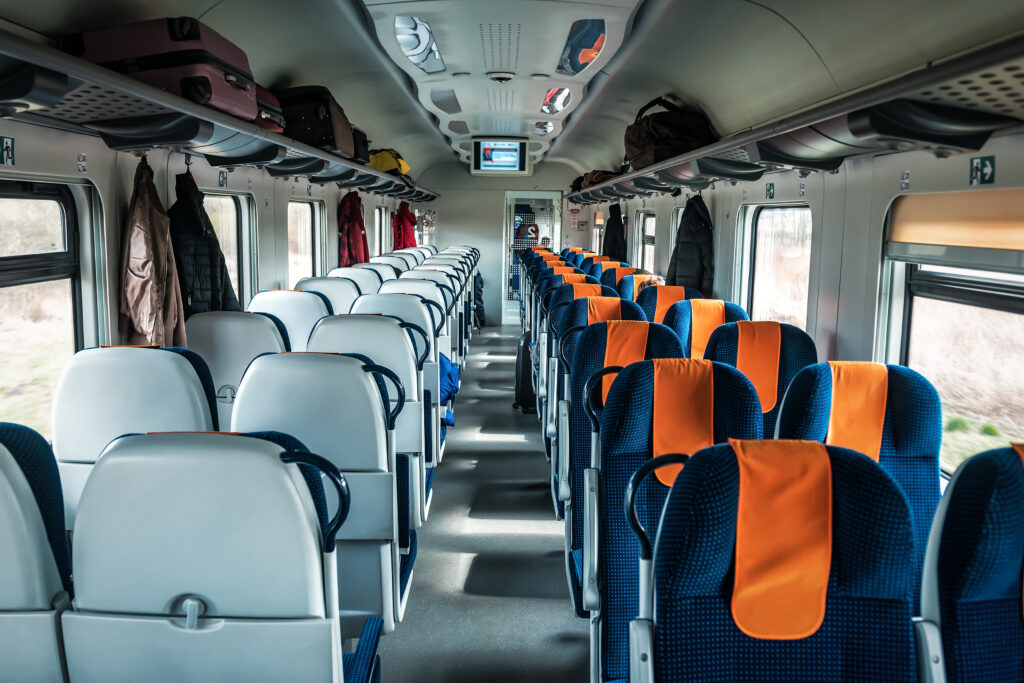
For decades, passenger transport interiors were governed by a single mandate: survive abuse at all costs. Vinyl and PVC became default choices, prioritizing cleanability over comfort and longevity. But today’s riders expect more. Transit agencies are competing with personal vehicles, rideshare platforms, and micro-mobility options. Comfort, aesthetics, and environmental responsibility now matter as much as durability.
Ultrafabrics has built its reputation by blending luxury-grade performance with industrial resilience. Trusted by brands such as Jaguar Land Rover, McLaren, MAN, and even reaching suborbital space with Virgin Galactic, the company is now expanding its ECE R118.04–certified collections specifically for buses, coaches, and passenger transport seating.
This isn’t a cosmetic upgrade. It’s a rethinking of how materials perform under constant use—thousands of riders, daily cleaning cycles, fluctuating temperatures, and strict safety requirements.
Strength Plus Sophistication for Buses and Coaches
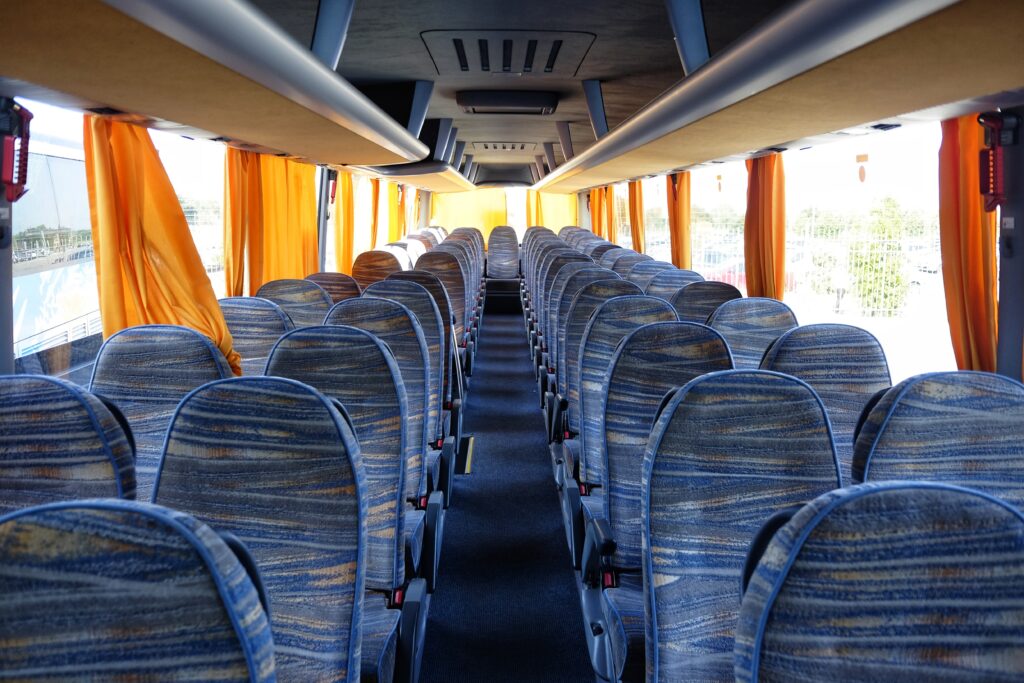
Passenger transport upholstery lives a hard life. It must resist abrasion, moisture, UV exposure, and aggressive cleaning—without cracking, delaminating, or fading. Ultrafabrics addresses these demands with proprietary Takumi™ Technology, engineered to deliver exceptional hydrolysis resistance and long-term structural integrity.
But performance alone isn’t enough anymore.
Ultrafabrics materials are stain-resistant and bleach-cleanable, reducing maintenance time and lifecycle costs. Climate-control properties help regulate temperature year-round, improving rider comfort in both hot summers and cold winters. Skin-friendly, odourless, and hypoallergenic surfaces enhance passenger well-being, while low-VOC construction contributes to healthier interior air quality.
The result is an interior that feels intentional, modern, and human-centered—qualities increasingly expected in public transportation.
Expanding Signature Collections for Transit
Ultrafabrics’ expanded Bus & Coach offering reflects a broader design vocabulary now emerging across global transit systems:
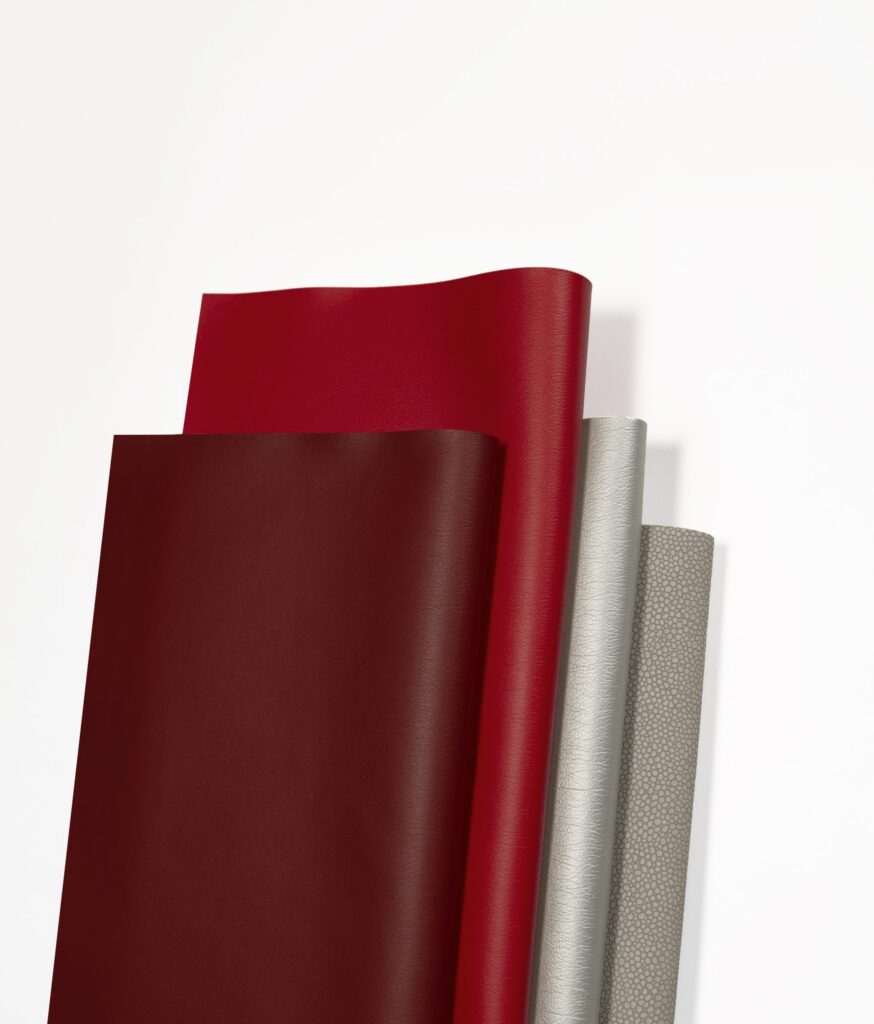
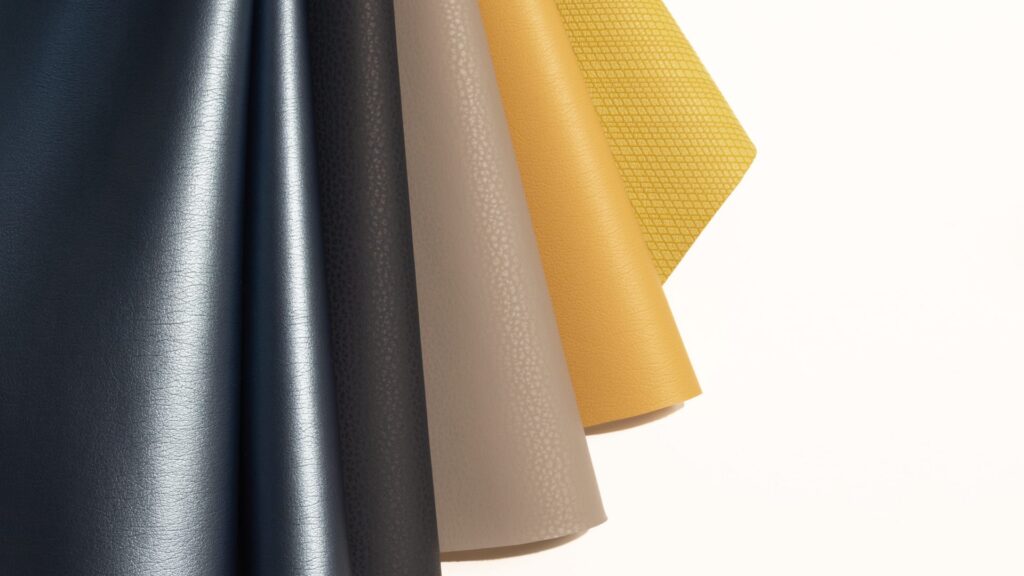
- Ultraleather reimagines traditional leather with a buttery-soft hand, remarkable durability, and an expansive color palette suited for both understated fleets and bold brand expressions.
- Volar Bio represents a major sustainability breakthrough, composed of a 66% blend of recycled, renewable, and bio-based materials—without sacrificing performance.
- Pearlized introduces subtle luminescence paired with a natural grain, adding refinement without excess.
- Eco Tech delivers tactile depth through a distinctive shagreen texture, signaling luxury through touch rather than ornament.
- Wired makes a confident visual statement with a matte finish and two-tone geometric pattern, ideal for contemporary interiors seeking identity and contrast.
Together, these collections allow agencies to move beyond purely functional interiors toward environments that reflect civic pride, modernity, and care for passengers.
Sustainability Without Sacrifice
Sustainability in transit textiles is no longer optional—it’s expected. Ultrafabrics has taken a clear stance: high performance should never come at the cost of environmental or human health.
Its materials are free from conflict minerals, heavy metal stabilizers, formaldehyde, plasticizer phthalates, persistent organic pollutants (POPs), PVC, PFOA, and PFAS. Each collection contains at least 50% rapidly renewable and/or recycled content, incorporating FSC/PEFC-certified rayon, post-consumer recycled plastics, and bio-based resins.
This approach aligns with a broader industry shift toward circularity, transparency, and lifecycle accountability—without forcing agencies to compromise on durability or aesthetics.
A Smarter Alternative to PVC
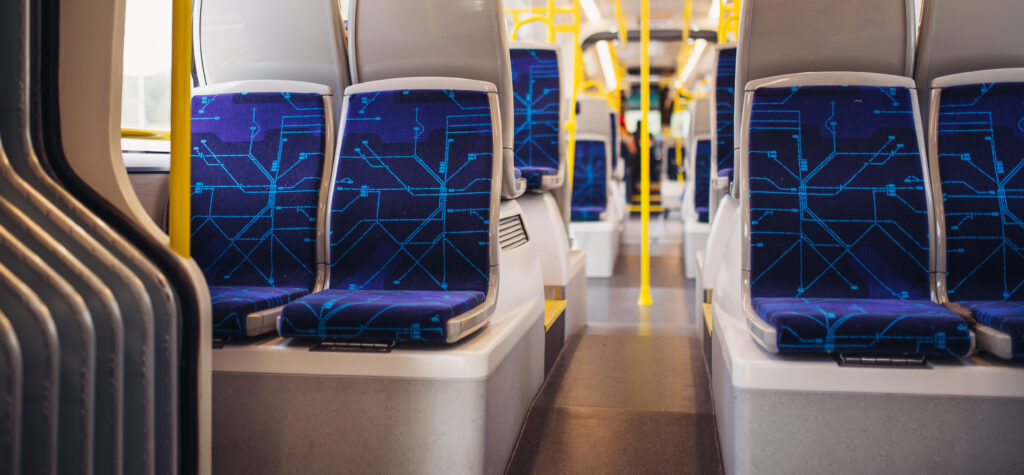
PVC has dominated passenger transport interiors for decades, despite well-documented environmental and performance limitations. Ultrafabrics’ polyurethane-based textiles offer a compelling alternative: lighter weight for improved fuel efficiency, superior durability, enhanced comfort, and greater resistance to cracking and delamination.
Not all coated fabrics perform equally. Ultrafabrics subjects its materials to rigorous hydrolysis testing, ensuring resilience in the most demanding transit environments. This attention to long-term performance translates directly into reduced replacement cycles and lower total cost of ownership—critical metrics for public agencies.
The Broader Context: Transit as a Platform for Reinvention
The evolution of transit textiles mirrors a larger transformation happening across public transportation systems.
At Cincinnati Metro, reinvention has become a guiding principle. Over the past five years, the agency has confronted the same challenges facing systems nationwide: workforce shortages, funding uncertainty, and rising expectations from riders. Rather than retreat, Cincinnati Metro has embraced innovation as strategy.
Through its Reinventing Metro plan, the agency has expanded access to jobs, improved service frequency, and invested heavily in rider amenities—from real-time mobile apps and digital signage to systemwide bus stop modernization. Two new bus rapid transit corridors, launching by 2028, represent nearly $300 million in economic development investment and underscore transit’s role as an engine of regional growth.
Interior experience matters in this equation. Comfortable, attractive, and thoughtfully designed vehicles reinforce trust, dignity, and choice—making transit not a fallback, but a preference.
Design Trends Shaping Bus Interiors
Across the industry, interior textiles are evolving rapidly:
- Sustainability is driving adoption of recycled and bio-based materials, including innovations like marine plastic–derived fibers.
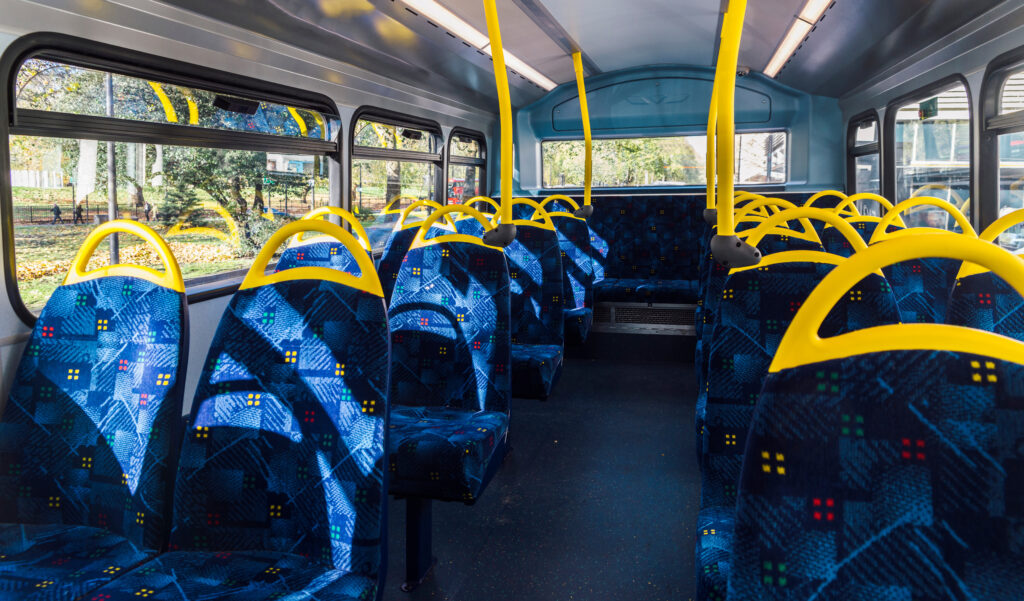
- A “limo look” aesthetic is replacing chaotic legacy patterns, favoring neutral palettes, clean surfaces, and minimalist design.
- Digital printing technologies are expanding creative freedom, enabling custom branding and wayfinding integration.
- Hygiene concerns are accelerating the shift toward easy-clean, anti-microbial vinyl and polyurethane surfaces.
- Customization is rising, with agencies seeking textiles that reflect regional identity and brand coherence.
Suppliers like Camira and Lantal Textiles continue to push boundaries in sustainable wool-rich fabrics and electric bus interiors, while Ultrafabrics advances animal-free, high-performance alternatives that bridge luxury and mass transit.
Even traditional moquette—long prized for durability and fire resistance—is evolving toward more subdued, contemporary expressions.
The Future Starts at the Seat
The future of public transportation will not be defined by a single technology or policy decision. It will be shaped by thousands of design choices—materials, textures, colors, and surfaces—that collectively influence how people feel when they ride.
With its expanded Bus & Coach collection, Ultrafabrics sets a new benchmark for performance textiles in passenger transport. By uniting durability, sustainability, and design intelligence, it demonstrates that transit interiors can be resilient without being harsh, modern without being sterile, and sustainable without compromise.
As cities and agencies continue to reinvent mobility, one truth remains constant: innovation must be felt as well as seen. And increasingly, that innovation begins with the textiles that carry us forward.