
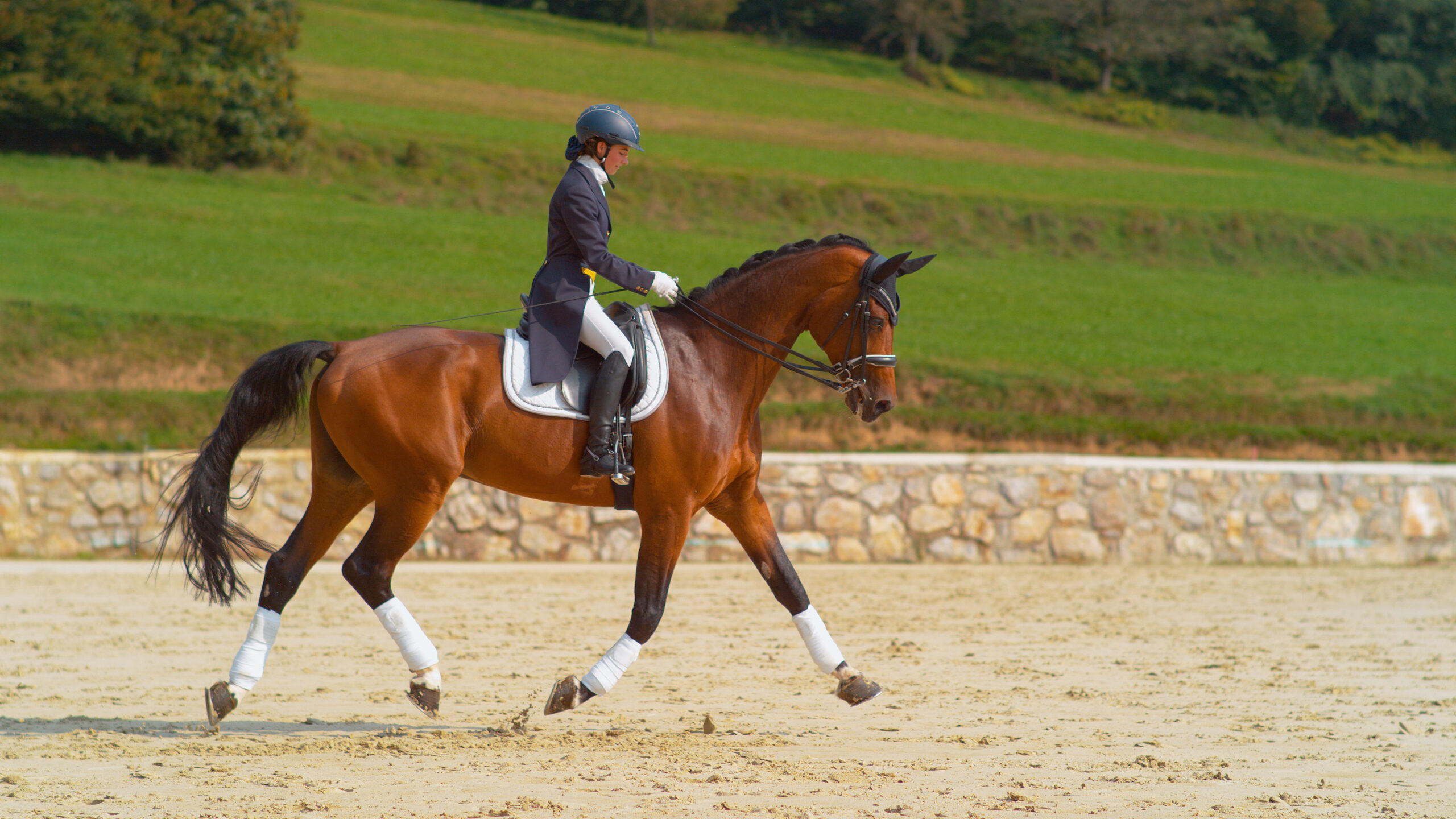
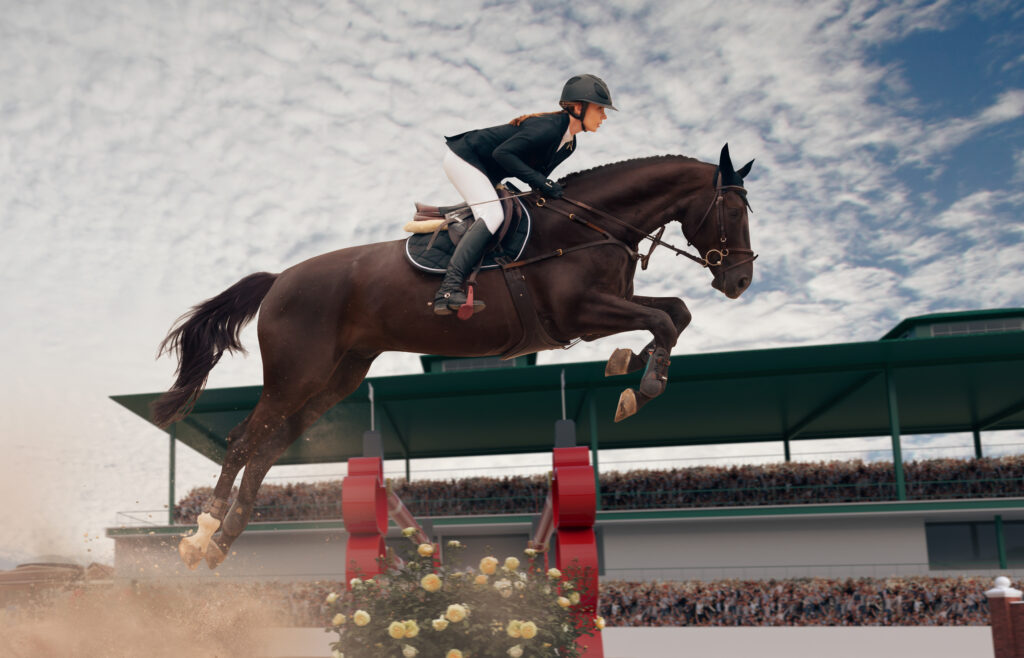
Horseback riding gear is stepping out of the barn and into mainstream wardrobes. What was once specialized athletic equipment—riding tights with silicone grip, UV-protective sun shirts, sleek paddock boots—is now redefining comfort and style for consumers who’ve never touched a saddle.
This isn’t equestrian-inspired fashion in the traditional sense of runway interpretations. This is functional riding apparel crossing over intact, valued for the same technical performance that makes it essential in the arena: moisture management, compression support, durability, and movement-friendly construction that holds up under physical demand.
The Technical Advantage
Equestrian apparel engineering solves specific problems. Riders spend hours in demanding physical positions requiring gear that won’t bind, chafe, or restrict movement. Fabrics must regulate temperature during intense activity while protecting against sun exposure and weather. Construction needs to withstand friction, stretching, and repeated wear.
These requirements produced riding tights with high waistbands that stay put during movement, compression fabrics that support muscles without restricting mobility, and strategically placed silicone grip that provides stability. Sun shirts feature UPF-rated materials and moisture-wicking properties that keep skin protected and dry during extended outdoor exposure. Quarter-zip baselayers offer thermal regulation through technical fabrics and athletic fit.
The result is apparel that performs equally well for hiking, running errands, traveling, or working out—anywhere comfort and functionality matter more than fashion trends.
A Market Shift
Consumer priorities transformed during the pandemic, according to McKinsey & Company research. Demand surged for versatile, comfortable clothing that could serve multiple purposes without sacrificing quality or appearance. That shift persists, with consumers continuing to choose function-forward apparel over restrictive or single-purpose garments.
Simultaneously, participation in horseback riding has grown. The United States Equestrian Federation reported membership increases across hunter/jumper, dressage, and other disciplines. As recreational riding expands, so does awareness of the technical advantages built into riding apparel—and recognition that those benefits translate beyond equestrian contexts.
Social media amplified visibility. Hashtags like #equestrianstyle and #barnchic showcase how riding gear integrates into everyday wardrobes. What catches attention isn’t costume or affectation—it’s the polished functionality of well-constructed boots, tailored fits, and performance fabrics that look intentional rather than athletic.
Brand Evolution
Companies like Ariat, Kerrits, Free Ride Equestrian, Asmar Equestrian, and Botori are adapting collections to acknowledge their expanded audience. They’re maintaining technical specifications riders require while introducing design elements—neutral color palettes, minimalist aesthetics, flattering silhouettes—that appeal to fitness-minded consumers seeking elevated alternatives to standard activewear.
Heritage luxury brands including Hermès and Gucci periodically reference equestrian elements in runway collections, but the current trend operates differently. This isn’t fashion borrowing from riding culture—it’s riding apparel proving its value in broader contexts.
Direct-to-consumer brands entering the space emphasize lifestyle positioning: quality materials, timeless design, and versatility that justifies premium pricing. They’re marketing to women who view clothing as investment purchases rather than disposable trends.
What’s Driving Adoption
Certain pieces have become crossover staples:
Riding tights deliver compression, support, and stay-put waistbands in designs that work for multiple activities. Modern patterns and thoughtful seam placement create flattering lines without sacrificing technical performance.
Sun shirts provide lightweight, breathable UV protection suitable for any outdoor activity. Their athletic fit and moisture-wicking properties make them practical for workouts, hiking, or casual wear in warm weather.
Paddock boots offer sleek leather construction that transitions seamlessly from functional footwear to polished casual style. Their low profile and quality materials make them appropriate for contexts beyond riding.
Quarter-zip tops and baselayers combine thermal regulation with tailored fits. They layer effectively while maintaining a refined silhouette that works for both athletic and casual settings.
The Aesthetic Factor
Equestrian culture emphasizes discipline, precision, and understated quality—values that translate into apparel through careful tailoring, premium materials, and subtle details rather than obvious branding or trend-driven design. For consumers fatigued by fast fashion’s disposability or athleisure’s ubiquitous logos, equestrian pieces offer an alternative: clothing designed to last, constructed to perform, and styled with restraint.
This appeal extends beyond individual garments. The equestrian aesthetic suggests competence, capability, and intentionality—qualities that resonate with consumers seeking to project those attributes through their wardrobe choices.
Beyond the Trend Cycle
Equestrian athleisure’s growth reflects a broader shift toward functional, durable clothing that serves multiple purposes without aesthetic compromise. As consumers increasingly prioritize versatility and quality over novelty, apparel originally engineered for serious athletic demand finds receptive audiences far beyond its original context.
The riding world spent decades refining gear to meet exacting performance standards. Now, that expertise benefits anyone seeking clothing that works as hard as they do—no horse required.