

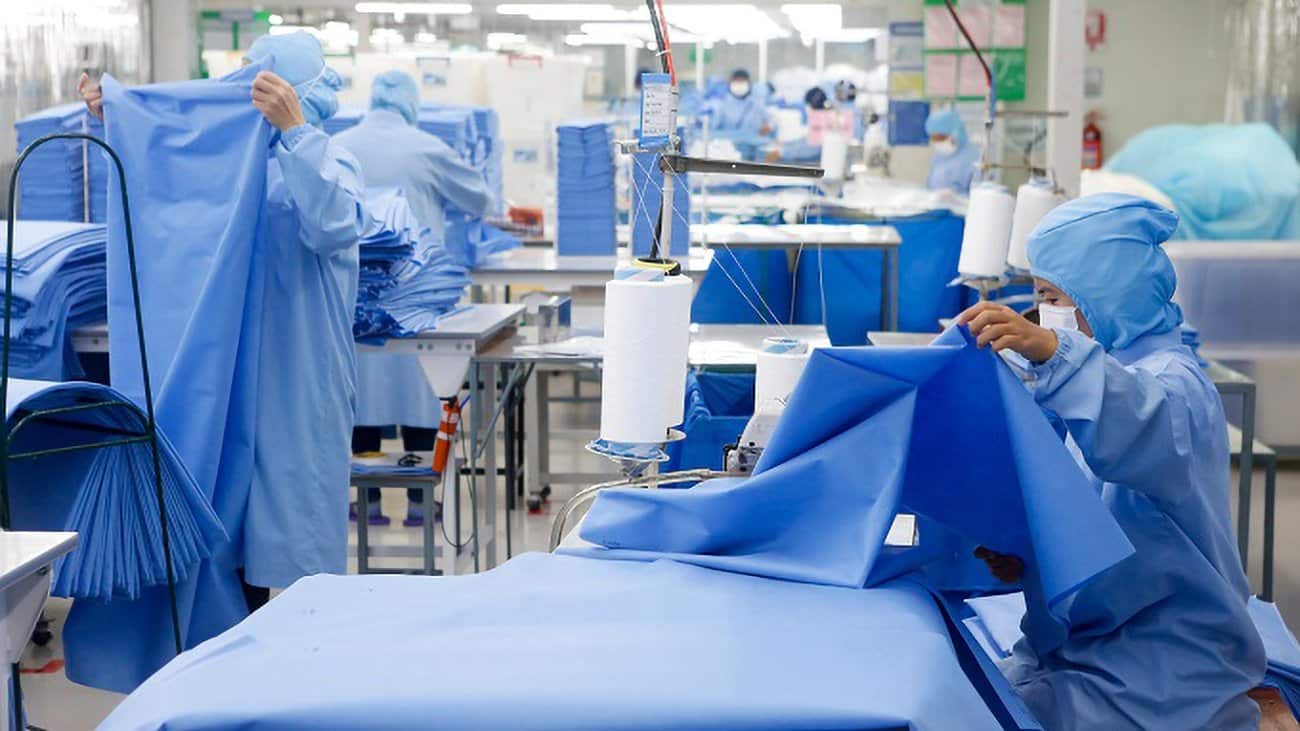
The healthcare industry is undergoing a structural transformation — and textiles are playing a far more central role than most patients ever realize. Once limited to bandages, gowns, and basic hygiene products, medical and healthcare textiles have evolved into sophisticated, high-performance systems that actively support patient monitoring, infection prevention, healing, and long-term care.
Driven by advances in materials science, digital technology, and interdisciplinary collaboration, medical textiles are now foundational to how healthcare systems operate, scale, and improve outcomes.
From Passive Materials to Active Care Systems
Modern medical textiles are no longer passive barriers or coverings. Today’s fabrics are engineered to interact with the human body, respond to physiological signals, and support clinical decision-making.
These developments are reshaping healthcare across five critical dimensions:
- Patient monitoring and diagnostics
- Infection prevention and hygiene
- Regenerative medicine and implants
- Remote care and telemedicine
- Sustainability and lifecycle performance
At the intersection of these shifts lies a new generation of smart, antimicrobial, regenerative, and therapeutic textiles.
Smart and Interactive Textiles: Monitoring Woven Into Fabric
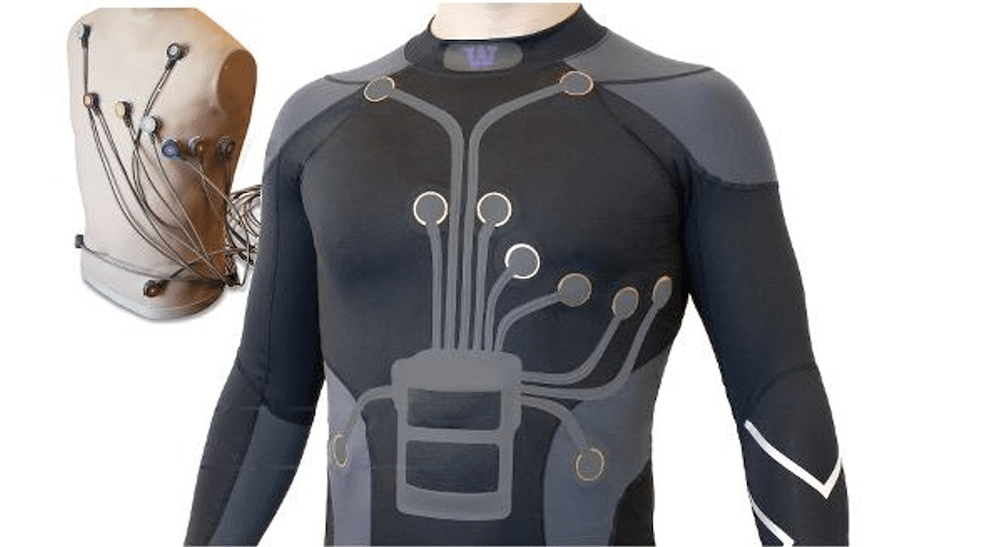
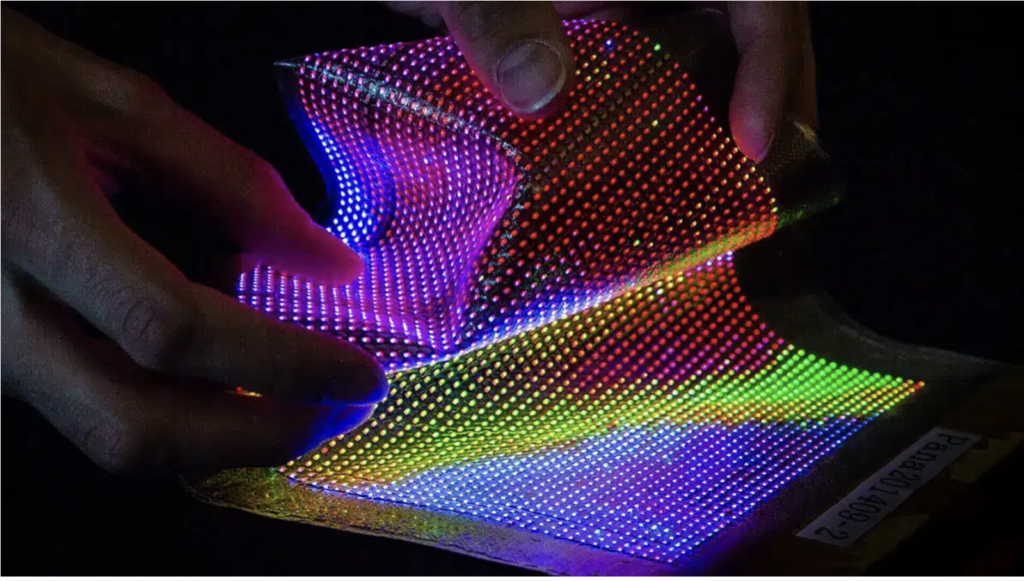
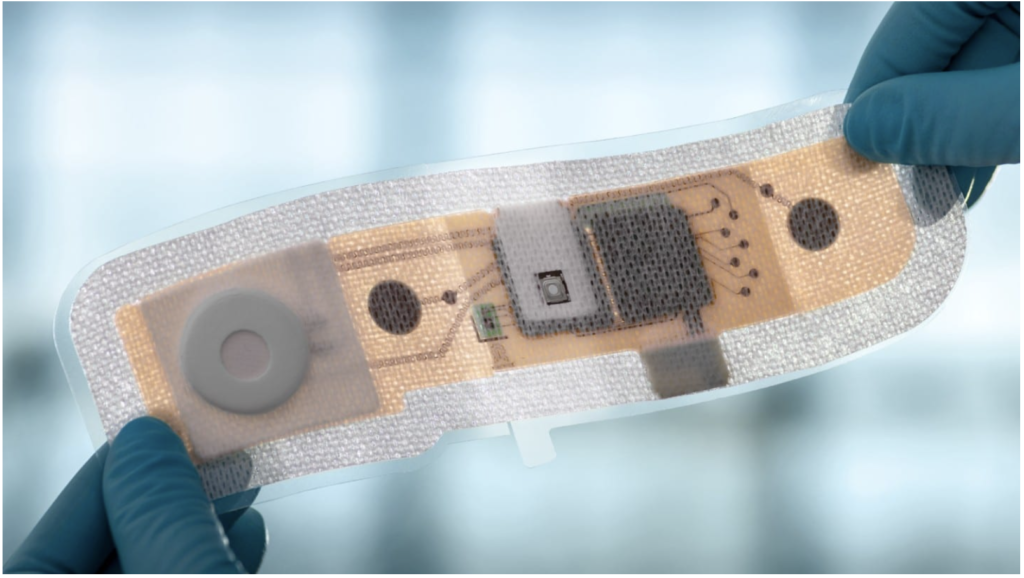
Smart textiles are among the most transformative innovations in healthcare. By integrating sensors, conductive yarns, and electronic components directly into fabric structures, these materials enable real-time monitoring without intrusive devices.
Current applications include:
- Wearable health monitoring garments
- Fabric-based ECG and heart-rate sensors
- Intelligent compression garments for lymphedema management
Beyond diagnostics, researchers are developing textile-based drug delivery systems capable of releasing medication locally and at controlled rates. These fabric-embedded systems reduce the need for invasive procedures while improving precision and patient comfort.
For clinicians, smart textiles offer continuous data streams. For patients, they offer mobility, dignity, and ease of use — a critical combination in chronic and long-term care.
Antimicrobial and Infection-Resistant Textiles
Infection prevention remains one of healthcare’s most urgent challenges. Antimicrobial textiles — engineered with embedded agents such as silver nanoparticles and antimicrobial coatings — are increasingly deployed across hospital environments.
These textiles are used in:
- Bed linens and mattress covers
- Patient gowns and uniforms
- Wound dressings and surgical textiles
Beyond antimicrobial activity, newer textile developments focus on self-cleaning and liquid-repellent surfaces, reducing contamination risks while extending product lifespan. These materials enhance hygiene standards while lowering laundering frequency and operational costs.
3D-Knitted Implants and Prosthetics
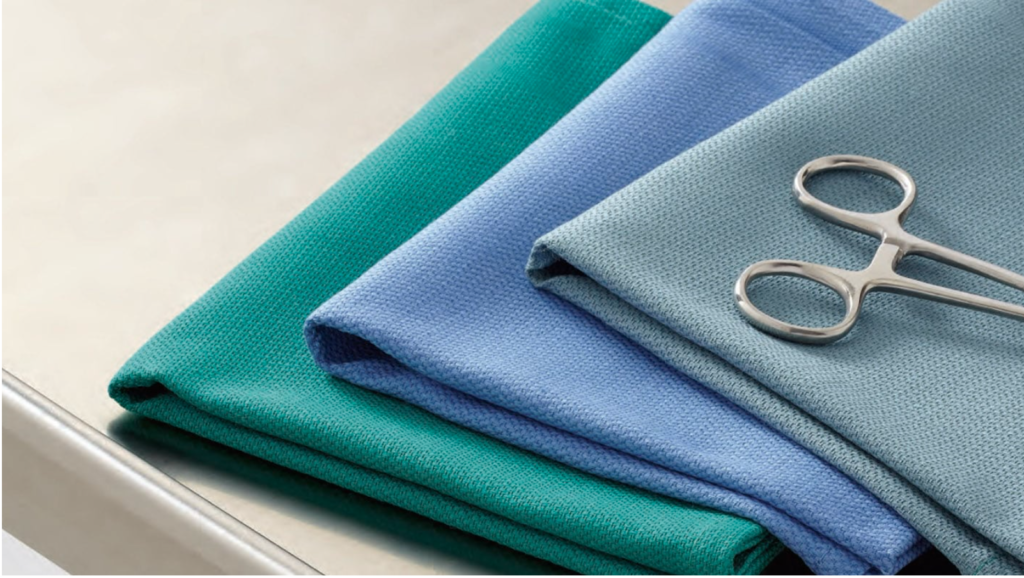
Advances in 3D knitting and textile manufacturing are revolutionizing the production of patient-specific implants and prosthetics. Using highly programmable knitting technologies, manufacturers can create complex, anatomically precise structures tailored to individual patients.
These textile-based solutions offer:
- Improved comfort and biomechanical performance
- Reduced need for post-fitting adjustments
- Faster production cycles
In regenerative medicine, textile scaffolds made from biocompatible fibers are supporting tissue growth and repair. These structures act as frameworks for cell development, opening new possibilities for treating burns, ulcers, and tissue defects — and potentially enabling future organ regeneration.
Textiles for Remote Monitoring and Telemedicine
The rapid expansion of telemedicine has elevated the importance of remote patient monitoring textiles. Garments embedded with sensors now allow clinicians to track vital signs continuously — without requiring patients to remain in clinical settings.
These textile solutions are designed to be:
- Comfortable and breathable
- Washable and durable
- Capable of transmitting real-time health data
By enabling long-term monitoring outside hospitals, textile-based systems are reshaping how chronic conditions are managed and how critical care is extended beyond institutional walls.
Sustainable and Eco-Conscious Medical Textiles
Sustainability is increasingly integral to healthcare procurement. Textile manufacturers are responding with recycled fibers, biodegradable materials, and low-impact dyeing and finishing processes tailored for medical use.
Healthcare facilities are also shifting toward:
- Reusable, long-life textiles
- Materials designed for high-temperature sterilization
- Reduced single-use waste streams
These approaches lower environmental impact while maintaining clinical performance — a balance essential for modern healthcare systems under regulatory and budgetary pressure.
Comfort-Driven Patient Apparel and Bedding
Patient comfort is now recognized as a contributor to recovery. Innovations in fiber engineering have produced breathable, moisture-regulating, and thermally adaptive fabrics for gowns, bedding, and linens.
These textiles:
- Reduce skin irritation and pressure injuries
- Improve temperature and humidity regulation
- Support rest and sleep during extended care
Healing environments are increasingly defined not only by clinical outcomes, but by sensory experience — and textiles play a decisive role.
Advanced Wound Dressings and Tissue Engineering
Wound care textiles have advanced from simple coverings to active therapeutic systems. Biodegradable wound dressings now support healing while minimizing waste and reducing dressing-change frequency.
Key innovations include:
- Drug-releasing bandages
- Blood-clotting textile agents
- Bioactive scaffolds that support tissue regeneration
These technologies are particularly impactful in treating chronic wounds, burns, and surgical recovery — areas with high clinical and economic cost.
Compression and Therapeutic Textiles
Modern compression garments leverage advanced knitting and fiber engineering to deliver precise, graduated pressure while maintaining comfort and mobility.
Used in treating:
- Venous disorders
- Lymphedema
- Post-surgical recovery
These textiles improve circulation, reduce swelling, and support long-term patient adherence — a critical factor in successful outcomes.
Medical Textiles as Healthcare Infrastructure
Medical textiles — often referred to as Meditech — span an extraordinary range of applications, from implantable devices to hygiene products. Their success is rooted in fundamental textile properties: flexibility, filtration, softness, lightness, and adaptability.
Examples include:
- Artificial ligaments and joints
- Vascular grafts and stents
- Sutures and scaffolds
- Wound dressings and protective apparel
Ongoing innovation in active implants, tissue engineering, and protective barrier fabrics continues to expand the role of textiles across healthcare systems worldwide.
A Collaborative Future
The rapid advancement of medical textiles is driven by collaboration — between physicians, surgeons, microbiologists, physiologists, and textile scientists. This interdisciplinary approach has produced solutions that improve safety, comfort, and clinical performance simultaneously.
As populations age, chronic conditions rise, and healthcare delivery becomes increasingly decentralized, textiles will play an even greater role — embedded in every layer of care, from prevention to recovery.
The Fabric of Tomorrow’s Healthcare
Medical textiles are no longer secondary materials. They are clinical tools, data platforms, and therapeutic systems — quietly woven into the fabric of modern healthcare.
As innovation accelerates, these materials will continue to shape a future where care is safer, smarter, more sustainable, and more human — fiber by fiber.