

By Diandre Musikachart

Fashion has produced many great designers. Likewise, costume design has produced many great storytellers.
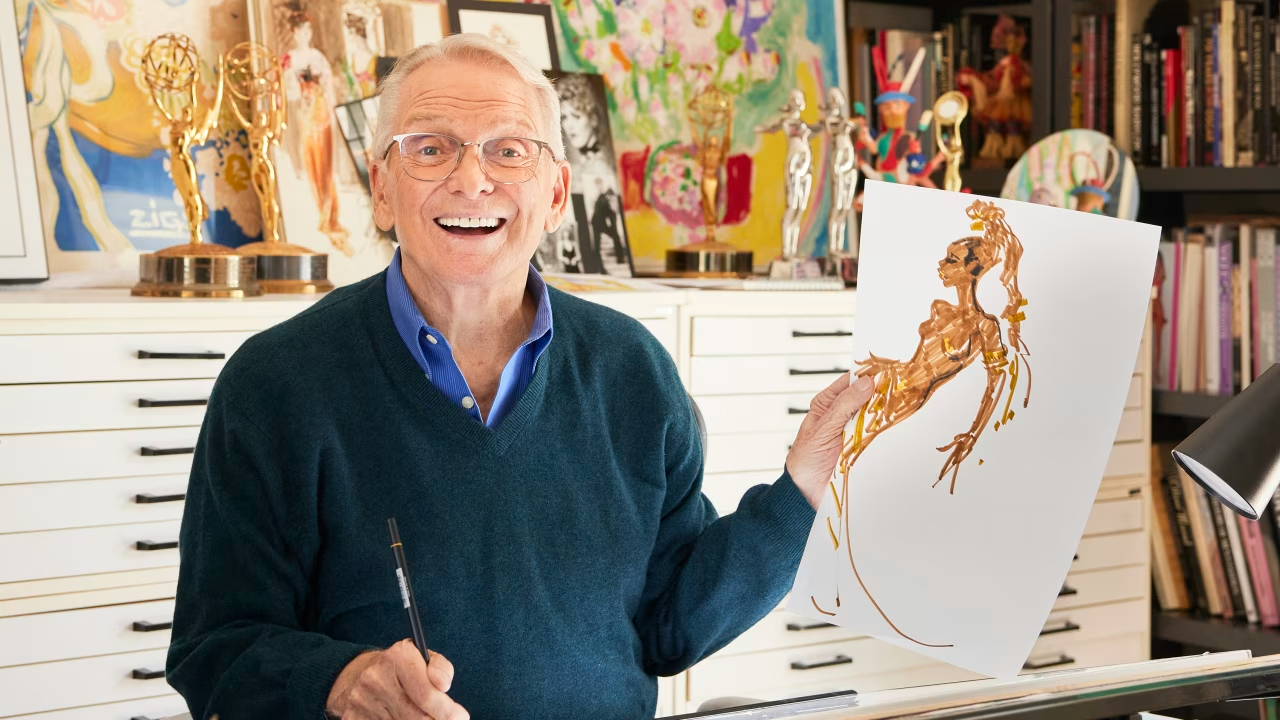
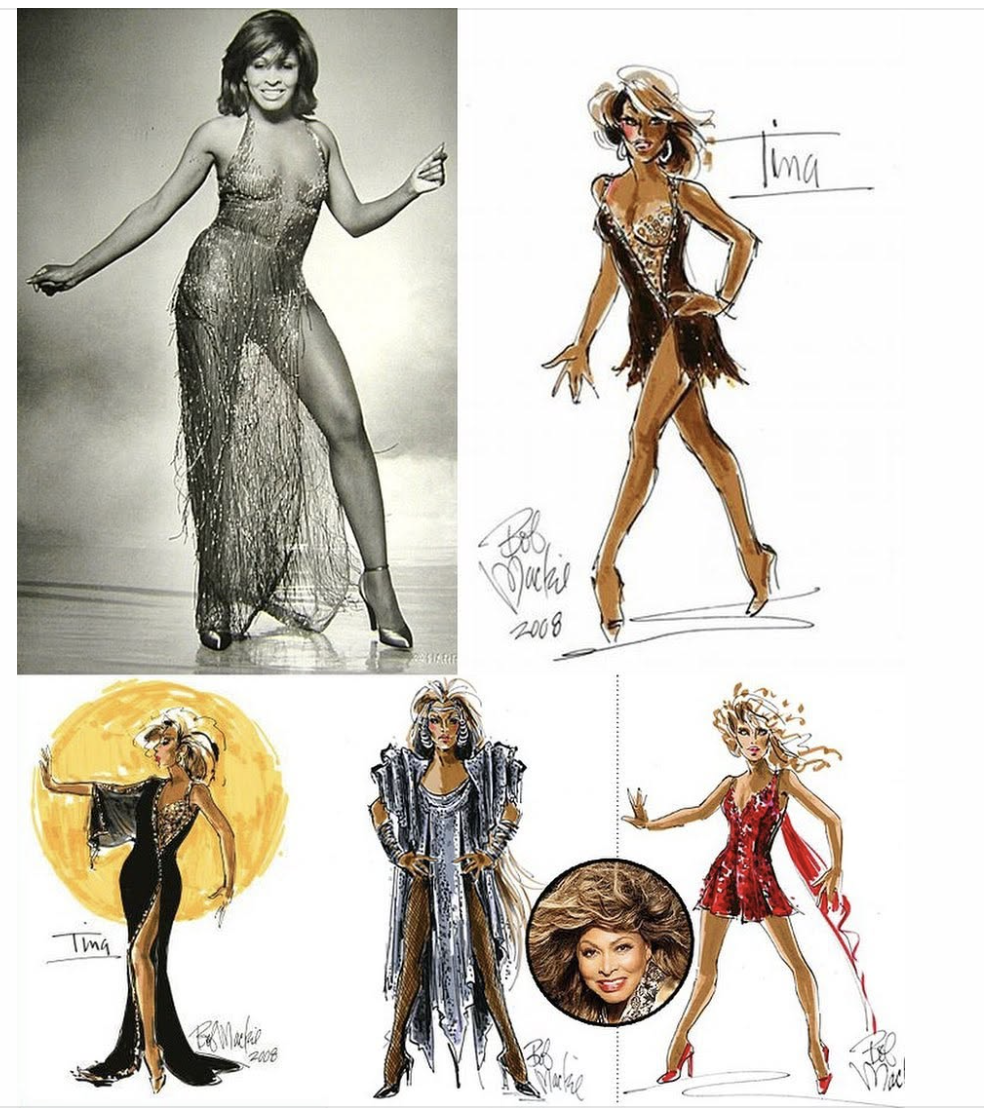
Few people mastered both the way Bob Mackie did. His career spanned more than six decades and included work for some of the most recognizable figures in entertainment, from Cher and Carol Burnett to Diana Ross, Tina Turner, Elton John, and Dolly Parton. He won nine Emmy Awards, earned three Academy Award nominations, and became one of the most influential costume designers in American entertainment history.
Yet reducing Mackie’s legacy to sequins, feathers, and celebrity glamour misses what made his work truly significant. He understood something fundamental about costume design: A garment can do more than dress a performer. It can define one.
Beyond Fashion
Today, costume design is increasingly recognized as an essential storytelling discipline. For Mackie, that was never in question.
Throughout his career, he created garments that helped shape characters, performances, and public identities. His work appeared on television screens, concert stages, Broadway productions, award shows, and red carpets. Whether the audience was watching from the front row or from a living room television, every design had a job to do. Sequins, rhinestones, feathers, dramatic silhouettes, and meticulous beadwork were never simply decorative choices. They were storytelling tools.
Perhaps no partnership demonstrates this more clearly than his work with Cher.
The Creative Partnership That Changed Celebrity Fashion
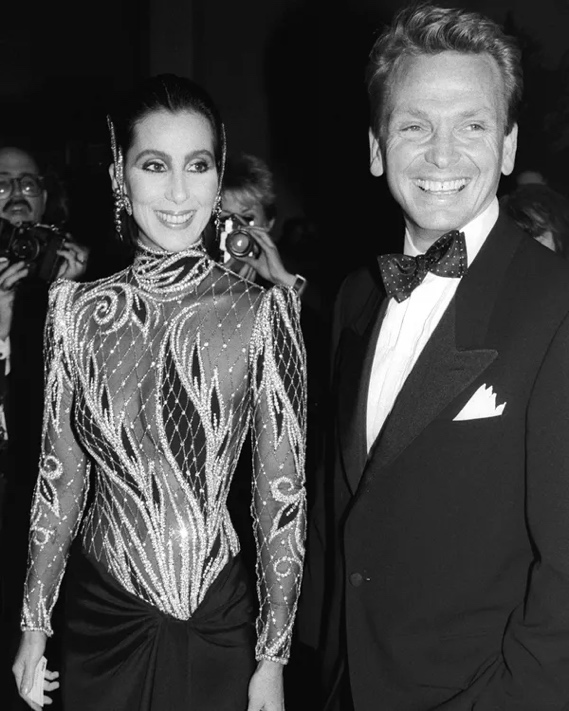
While Mackie collaborated with countless performers, his relationship with Cher became something much larger than a traditional designer-client partnership. Together, they helped redefine the visual language of celebrity.
When the pair began working together on The Sonny & Cher Comedy Hour in the early 1970s, television audiences had seen glamorous costumes before. What they had not seen was the level of theatricality, confidence, and visual daring that Mackie brought to Cher’s wardrobe.
From feathered headdresses to crystal-covered “nude illusion” gowns. Elaborate beadwork and memorable silhouettes to fantastical stage costumes; Mackie unapologetically celebrated the art of whimsy.
These designs pushed the boundaries of what television audiences and network executives considered acceptable. Yet they also accomplished something more important: they helped create an unmistakable identity.
What made the collaboration remarkable was not the spectacle alone. Mackie understood that great costume design reveals character.
He didn’t create a visual identity for Cher out of thin air. Instead, he amplified what was already there. Her confidence, humor, fearlessness, glamour, and individuality became the foundation for some of the most memorable costumes ever produced for television and live performance.
Long before “personal branding” became a business strategy, Mackie and Cher were proving its power. Their partnership became a masterclass in visual storytelling where the costumes were not separate from the performer, the costumes became part of the performance.
The now-iconic 1986 Academy Awards appearance, featuring a sequined black gown and towering feathered headdress, remains one of the most recognizable red-carpet moments in fashion history. Nearly forty years later, it continues to be referenced by stylists, designers, costume historians, and performers as a defining example of celebrity image-making.
More importantly, the influence of the Mackie-Cher partnership extends far beyond a single gown.
Many of the visual tropes audiences now associate with concert tours, Las Vegas residencies, music awards shows, celebrity stage wear, and modern drag performance can be traced back to the world they helped create together. Contemporary artists including Zendaya, Miley Cyrus, and others continue to wear Mackie originals or reference the visual language that emerged from his work with Cher.

It is difficult to imagine modern performance fashion without them.
The Designer Behind the Joke
While Cher revealed Mackie’s ability to create glamour, his work with Carol Burnett demonstrated another talent entirely, comedy through costume design.
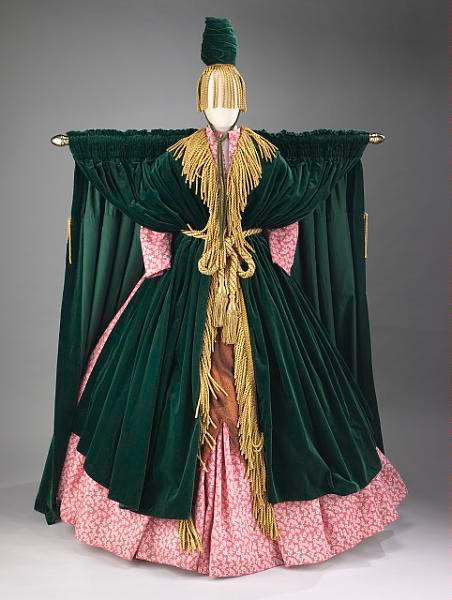
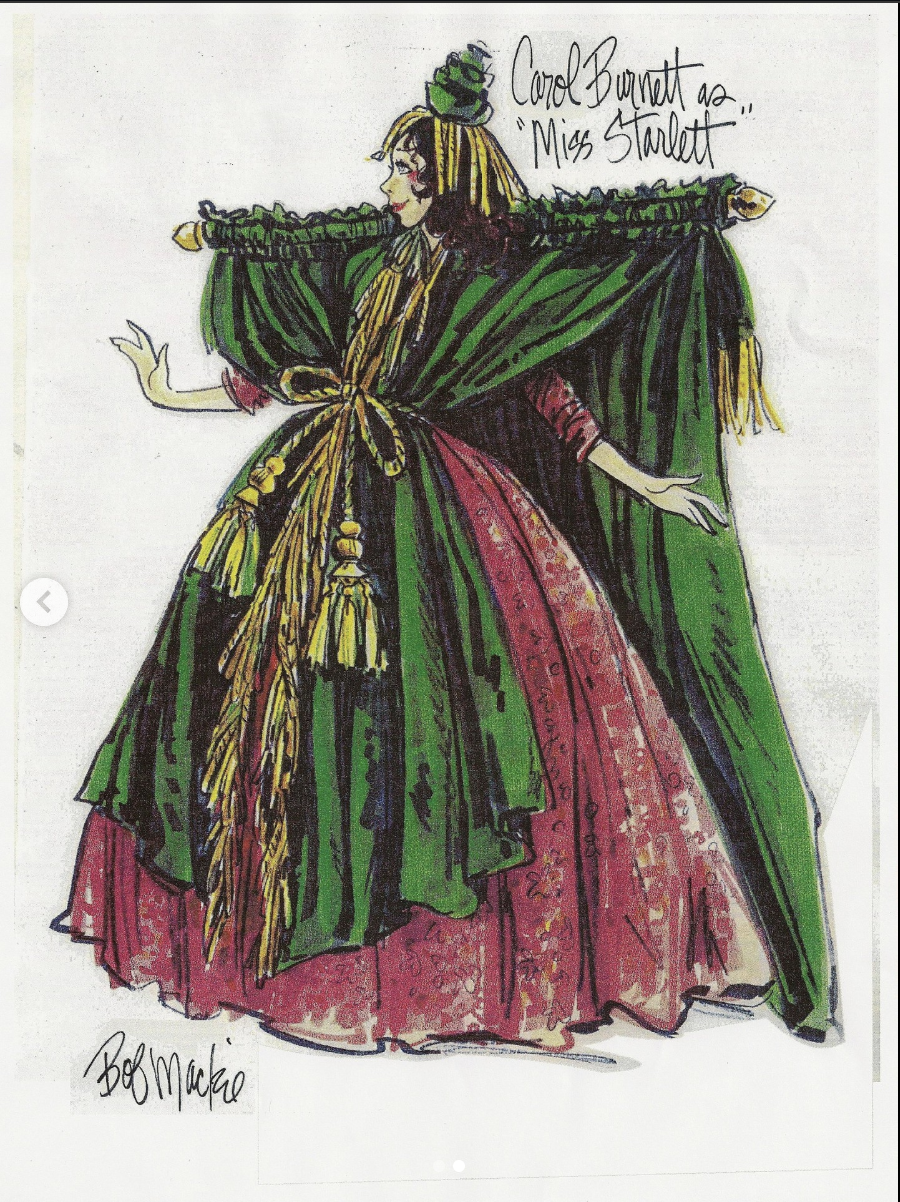
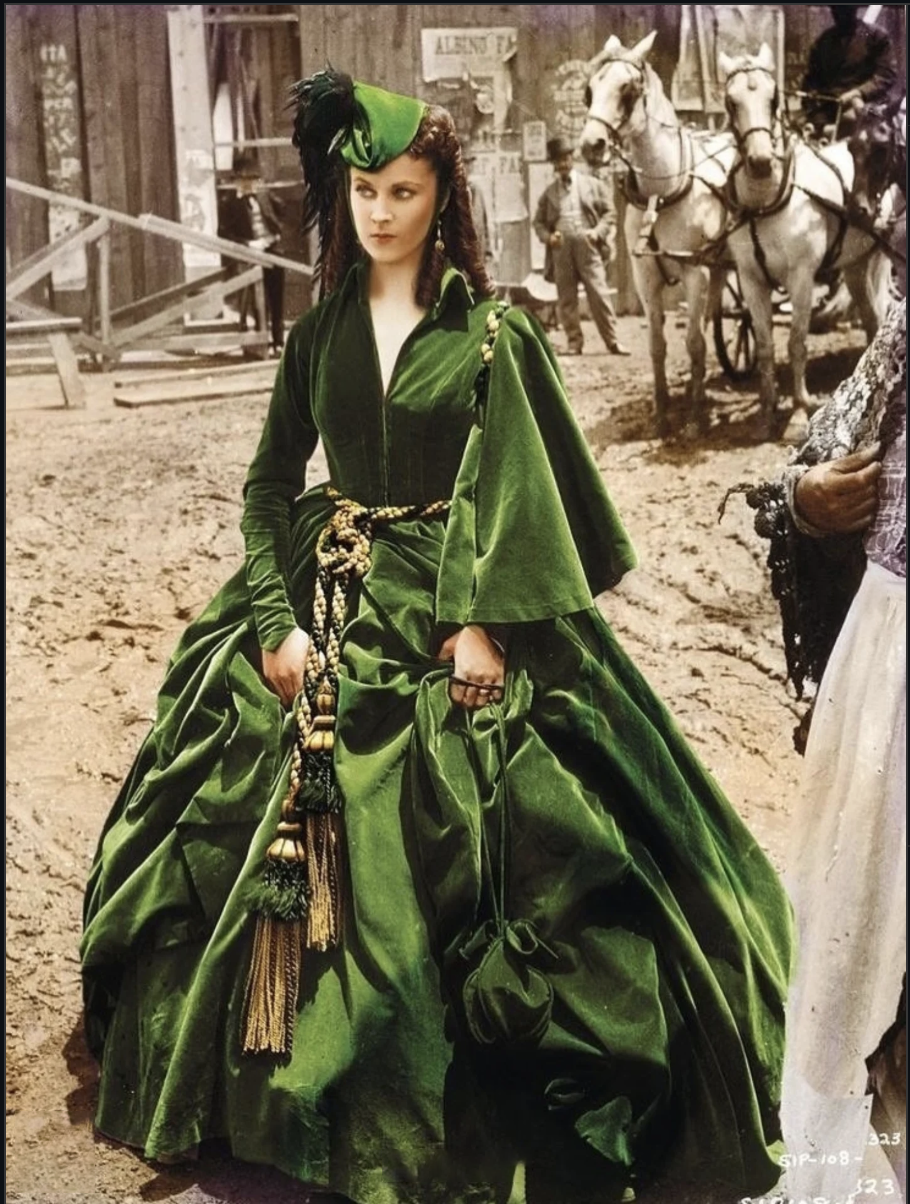
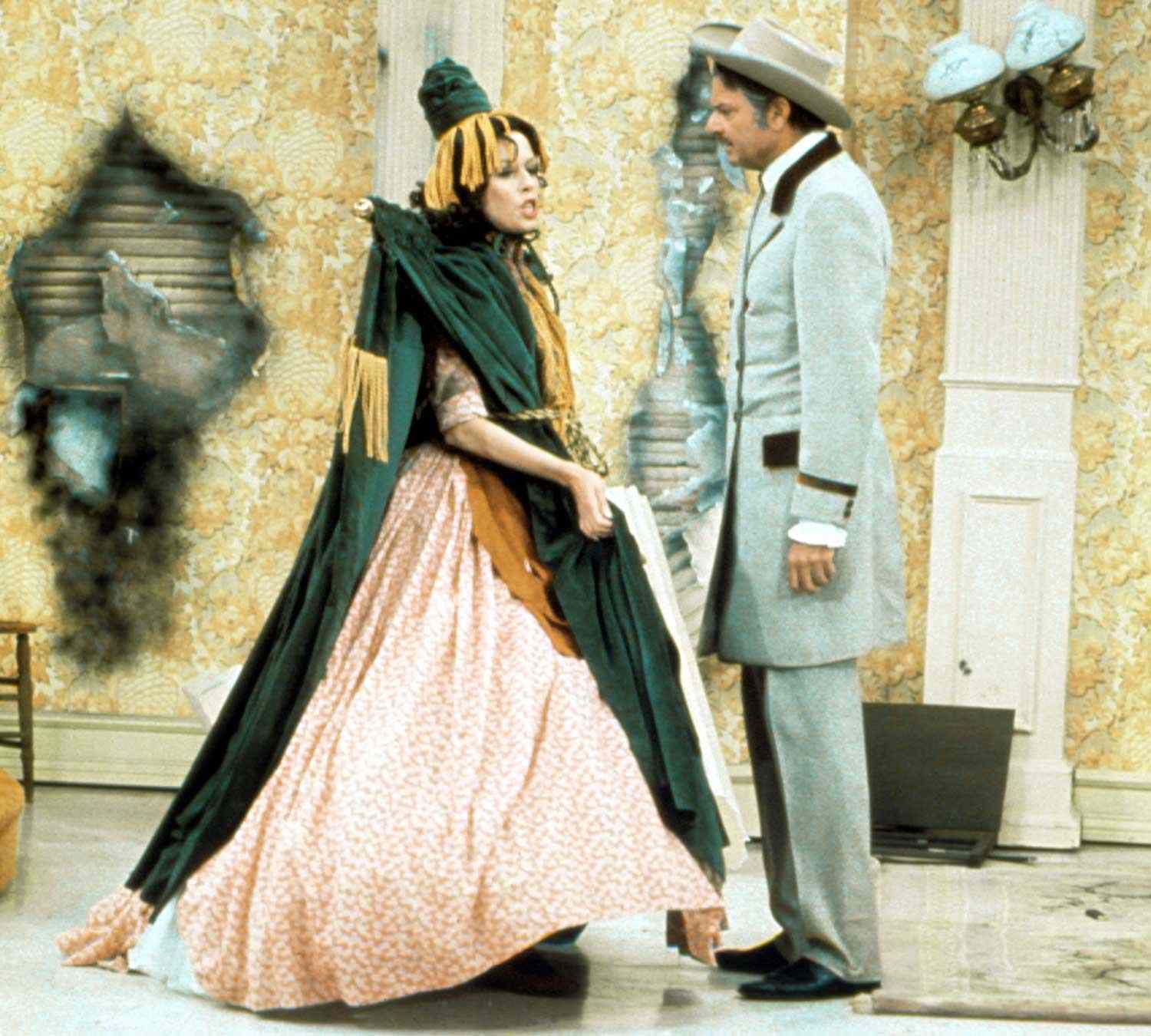
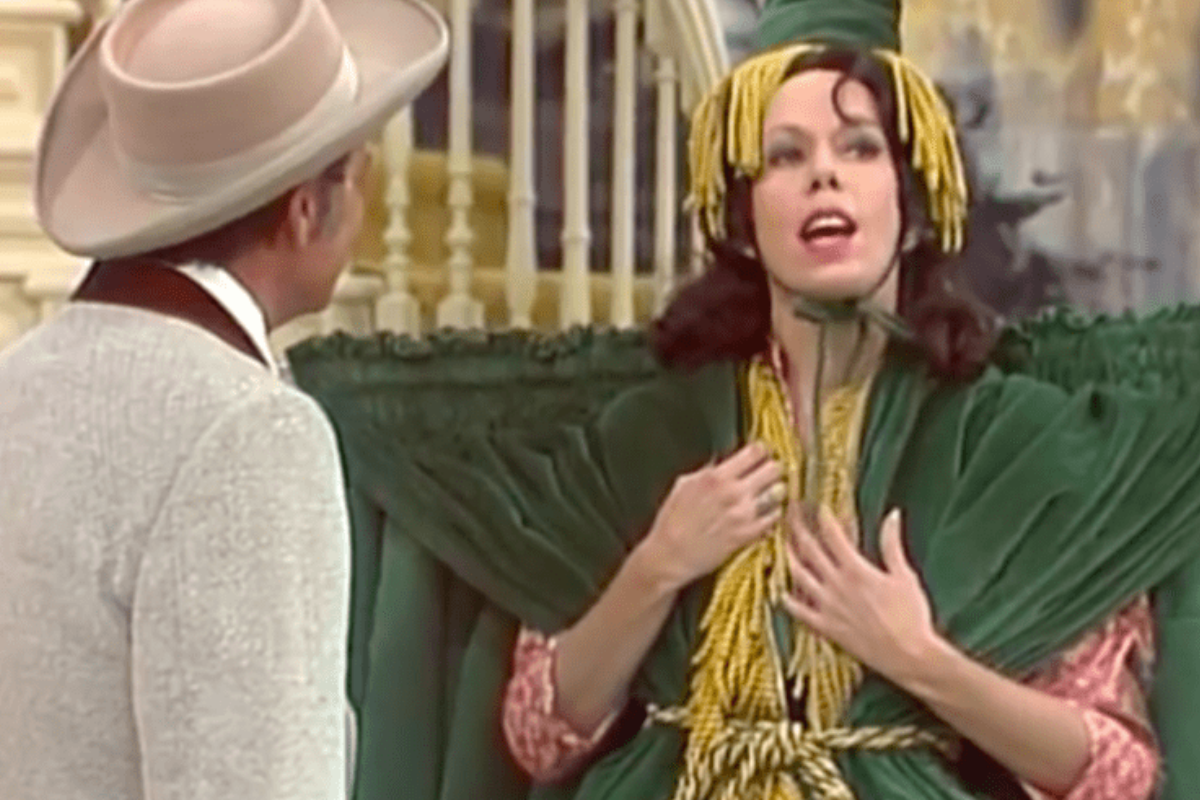
For eleven seasons of The Carol Burnett Show, Mackie designed thousands of costumes, many of which became as memorable as the sketches themselves. The most famous example remains the legendary curtain dress from the show’s parody of Gone With the Wind. Today, the costume sits in the Smithsonian, but its significance goes beyond craftsmanship; the dress became an active participant in the joke. The costume was not supporting the performance. It was helping deliver it.
That distinction matters. Fashion designers create garments. Costume designers create meaning. Mackie understood both.
Carol Burnett’s Curtain Dress
The Craft Behind the Spectacle
One of the risks of discussing Mackie’s career is that audiences often remember the sparkle and forget the labor. Costume professionals know better.
Behind every iconic Mackie design was a remarkable amount of technical expertise. Structural engineering, custom fabrication, hand beading, embroidery, fittings, movement considerations, and performance requirements all played a role in bringing these garments to life. His work demanded not only imagination, but also extraordinary craftsmanship.
In many ways, this is where Mackie’s legacy feels most relevant today. Fashion and costume design increasingly exist in a world driven by speed, digital content, and rapid production cycles. Mackie’s career serves as a reminder that some of the most enduring visual moments in culture emerge from the intersection of creativity, technical skill, and human craftsmanship. The sequins captured attention, and yet the craftsmanship ensured the work would endure.
Why Bob Mackie Still Matters
The influence of Bob Mackie can still be seen across fashion, costume design, drag culture, celebrity styling, and contemporary entertainment. But perhaps his greatest contribution was demonstrating that spectacle and craftsmanship are not opposing forces. The most memorable garments often require both.
His work helped shape the public images of some of the biggest performers of the twentieth century. His costumes transformed television comedy, concert performance, and red-carpet fashion. And through collaborations with artists like Cher and Carol Burnett, he showed generations of designers that a costume could become inseparable from the story it helped tell.
Decades later, the lesson remains the same even after his passing. Know the character. Understand the audience. And never underestimate the power of a garment to tell a story.
Article Sources
- Encyclopaedia Britannica: Bob Mackie Biography
- Reuters: Obituary — Bob Mackie, Fashion Designer for the Stars, Dies at 87
- ABC News: Bob Mackie, Fashion Designer to the Stars, Dies at 87
- TheaterMania: Bob Mackie, the Legendary Costume Designer for Cher, Carol Burnett, and More, Dies at 87
- Legacy.com: Bob Mackie Obituary