


Before you board that flight to Jaipur’s block-printing studios or Turkey’s silk markets, these books will transform you from tourist to informed observer
There’s a particular type of traveler who doesn’t just want to see a textile market—they want to understand it.
They want to know why indigo resists fade differently in Gujarat versus West Africa. They’re curious about which looms produce which weaves, and why certain regions became synonymous with specific techniques. They arrive at workshops with questions, not just cameras.
These travelers understand something fundamental: the best textile adventures don’t begin at the airport. They begin weeks earlier, with research, context, and preparation.
Why Research Matters Before You Go
“I used to think spontaneity was the soul of travel,” admits one textile tour operator we spoke with, who organizes custom trips to weaving communities across Southeast Asia. “Then I watched someone walk past a 200-year-old ikat loom because they didn’t know what they were looking at.”
The difference between a tourist and an informed observer often comes down to preparation. When you understand the historical context of a region’s textile traditions, you ask better questions. When you know the technical vocabulary, artisans open up differently. When you’ve studied the economic pressures facing traditional crafts, you engage more meaningfully with the communities you visit.
Research also prevents disappointment. That “authentic” batik workshop advertised online? A well-researched traveler knows to look for specific signs of traditional practice. Those hand-loomed scarves at the market? Background knowledge helps you distinguish between genuine handwork and clever marketing.
But perhaps most importantly, preparation shows respect. Artisans who’ve spent decades perfecting their craft can tell when someone has done their homework. It changes the entire interaction.
Beyond the Guidebook: Books That Actually Prepare You
Traditional travel guides tell you where to go. Textile travel books tell you what you’re seeing when you get there—and why it matters.
Regional Deep Dives
The strongest textile travel books anchor themselves in specific geographies, tracing how climate, culture, history, and trade shaped local traditions.
Books focusing on single regions—India’s textile heritage, Southeast Asian weaving cultures, West African cloth traditions, Andean textiles—provide the depth that broad surveys can’t. They explain why certain techniques developed where they did, how colonial trade routes altered production, and which traditions are thriving versus endangered.
Look for books that include:
- Historical context (pre-colonial, colonial, and contemporary periods)
- Technical explanations of regional techniques
- Maps showing production centers and trade routes
- Photographs that clearly illustrate processes, not just finished products
- Information about current market conditions and ethical considerations
Technique-Focused Guides
Other essential reads organize themselves around specific techniques rather than geography—comprehensive explorations of natural dyeing, weaving, printing, or embroidery that span multiple cultures.
These books help you recognize technical excellence regardless of where you encounter it. You’ll understand why certain indigo vats in Japan produce different blues than those in Nigeria, or how backstrap weaving in Guatemala relates to similar practices in Southeast Asia.
The best technique-focused books don’t just explain how something is done—they explore why different cultures developed variations, what tools and materials each approach requires, and how to evaluate quality.
Cultural and Economic Context
Some of the most valuable books for textile travelers aren’t technically about textiles at all—they’re about the economic, social, and cultural systems that textiles exist within.
Books examining craft economies, fair trade practices, cultural appropriation, and the impact of fast fashion on traditional production give travelers the framework to engage ethically. They help you understand what your purchases actually support, which questions to ask workshop owners, and how to distinguish between cultural preservation and cultural exploitation.
How Books Transform the Journey
Consider two travelers visiting the same block-printing workshop in Rajasthan.
The first arrives with enthusiasm and a good camera. They watch the demonstration, buy a scarf, take photos, and leave pleased with their “authentic experience.”
The second arrives having read about the region’s 400-year printing tradition, the difference between natural and synthetic dyes, the specific techniques that distinguish Bagru from Sanganeri printing, and the economic pressures threatening traditional practices.
They notice details the first traveler missed: the quality of the fabric preparation, the precision of the block alignment, the complexity of the color layering. They ask informed questions about mordanting processes and dye recipes. The printer, recognizing genuine interest and knowledge, shows them his family’s antique blocks and explains challenges the first traveler never heard about.
Both travelers visited the same workshop. One left with a scarf. The other left with understanding.
Our Editor’s Top Travel Picks to Start Your Library
Building a textile travel library can feel overwhelming—there are hundreds of books spanning regions, techniques, and perspectives. To help you begin, we’ve compiled our essential starting points: books that have proven invaluable in our own research and travels.
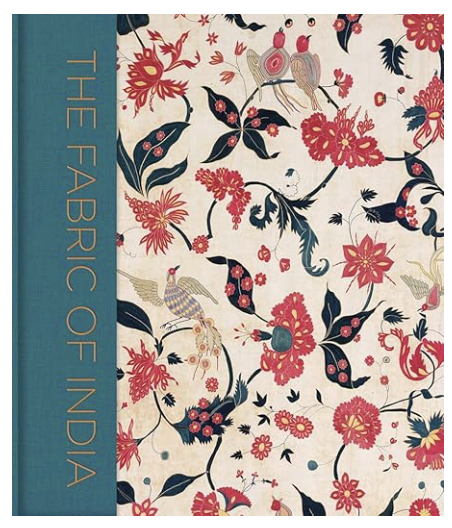
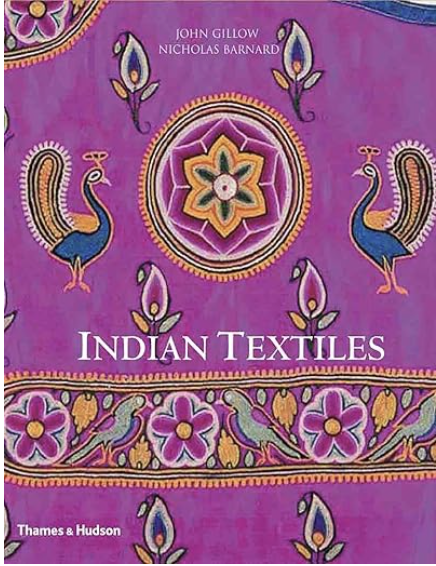
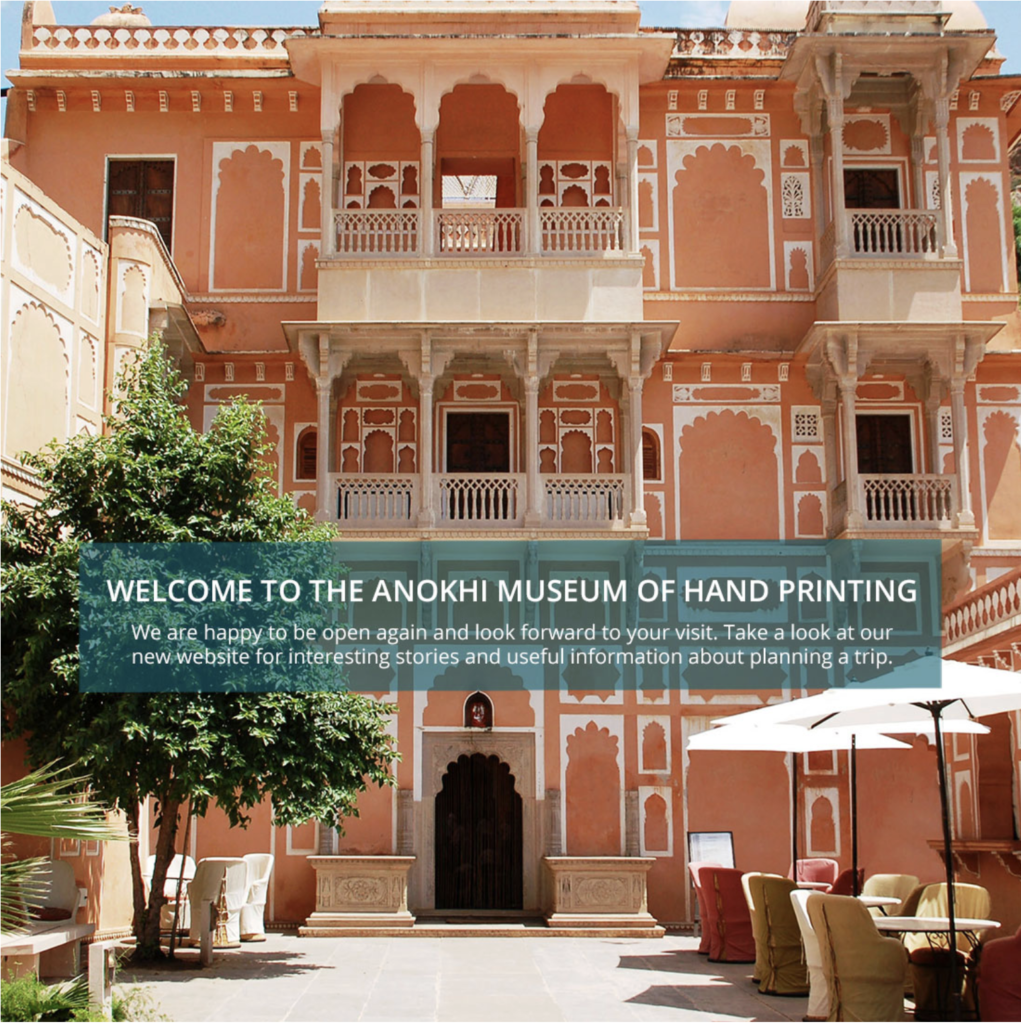
For India: The Fabric of India offers sweeping historical context alongside stunning photography, while Indian Textiles by John Gillow and Nicholas Barnard (Hardcover, Paperback) remains the technical reference we return to repeatedly. For those specifically interested in block printing, Anokhi: Hand Block Printing in India provides intimate access to one region’s masters.
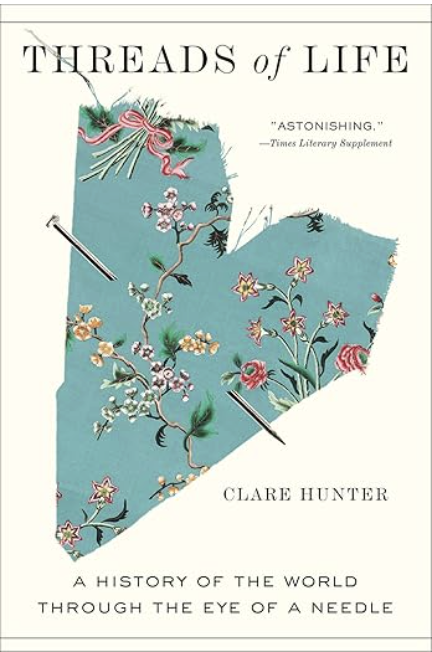
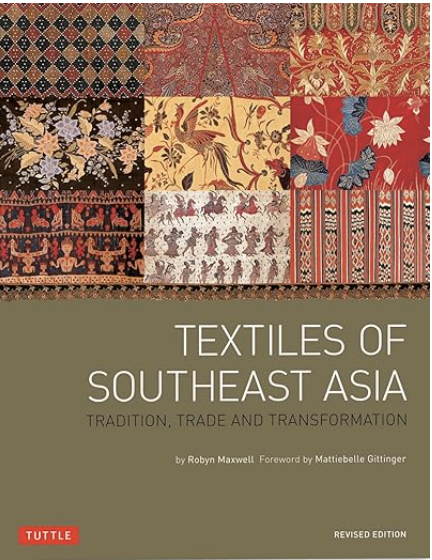
For Southeast Asia: Threads of Life: A History of the World Through the Eye of a Needle (Kindle, Paperback, Hardcover) by Clare Hunter includes compelling chapters on Southeast Asian weaving that contextualize techniques within broader cultural narratives. For serious scholars, Textiles of Southeast Asia (Kindle, Paperback, Hardback) stands as the comprehensive (if dense) resource.
For Japan: The Kimono by Anna Jackson (Hardcover) bridges museum-quality scholarship with accessible writing, while Japanese Textiles: A Retrospective documents techniques many travelers specifically seek out—shibori, kasuri, katazome—with clear technical explanations.

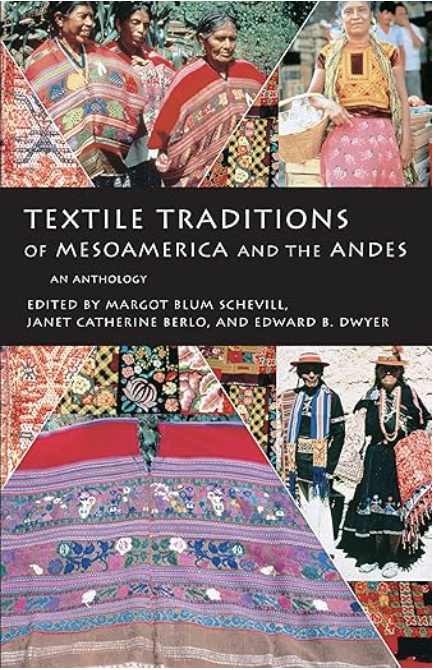
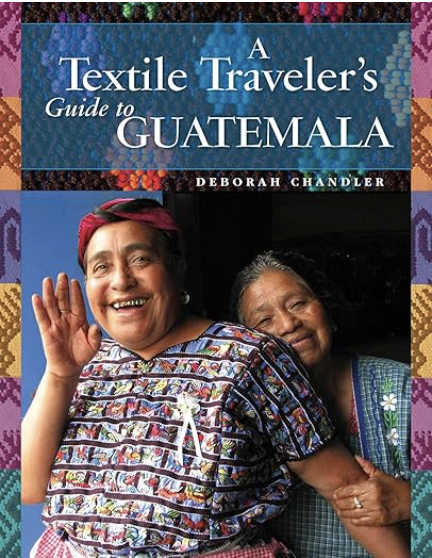
For Andean Textiles: Textile Traditions of Mesoamerica and the Andes (Kindle, Paperback, Hardcover) and A Textile Traveler’s Guide to Guatemala (Kindle, Paperback) provides crucial pre-trip context about symbolism, social significance, and regional variations that transform how you see every market encounter.
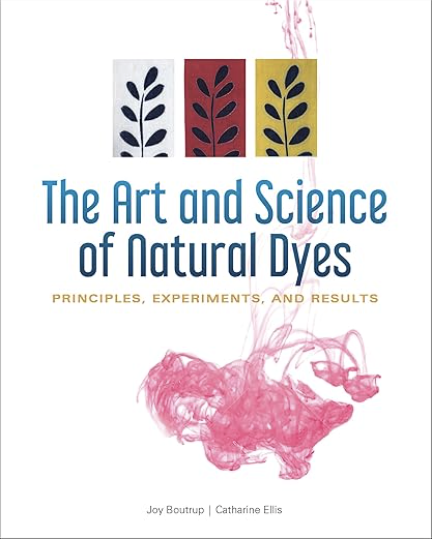
For Natural Dyeing (Universal): No matter where you’re traveling, The Art and Science of Natural Dyes by Joy Boutrup and Catharine Ellis (Spiral-bound) demystifies what you’ll observe in dye workshops worldwide. Understanding pH, mordants, and color chemistry changes every studio visit.
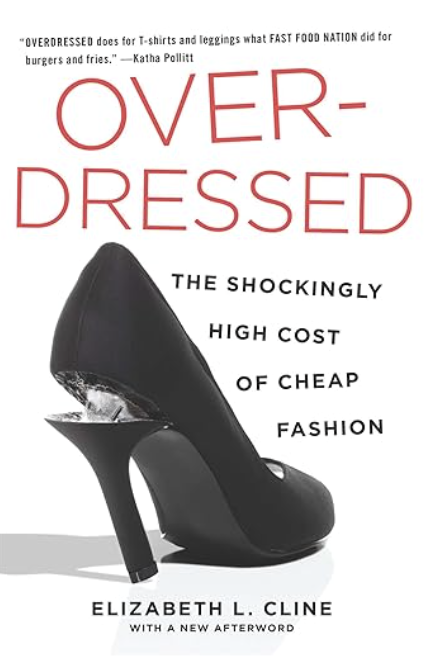
For Ethical Context: Overdressed: The Shockingly High Cost of Cheap Fashion by Elizabeth Cline (Kindle, Paperback, Hardcover) isn’t a travel guide, but it provides essential perspective on the economic forces affecting every traditional textile community you’ll visit. Read it to understand what your purchases actually support.
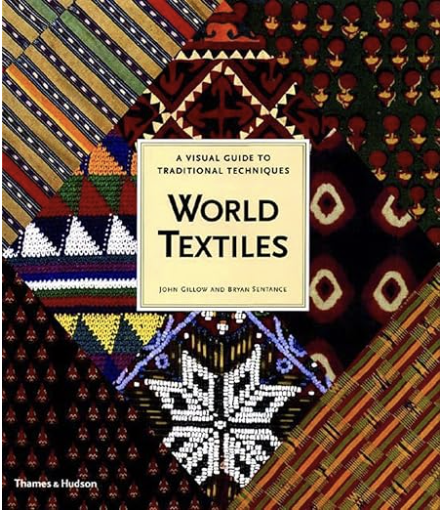
Field Guides Worth Packing: World Textiles: A Visual Guide to Traditional Techniques (Paperback, Hardcover) is compact enough to carry and comprehensive enough to be useful in the field. We’ve consulted ours in markets from Marrakech to Chiang Mai.
These aren’t the only worthy books—they’re the foundation. Start here, then follow the threads that interest you most.
Building Your Textile Travel Library
Start with your destination. If you’re planning a trip to a specific region, find the most comprehensive book available about that area’s textile traditions—even if it’s academic or technical. Read it cover to cover.
Next, add technique-specific books for whatever you’ll encounter most. Heading to weaving communities? Study weaving. Visiting printing centers? Learn printing terminology and history.
Then add context: books about craft economies, ethical tourism, or the specific cultural considerations of your destination.
Finally, seek out travelogues or memoirs from others who’ve made similar journeys—not for itineraries, but for the questions they asked and the insights they gained.
The Research Ritual
Experienced textile travelers often develop pre-trip research rituals. Some spend months reading everything available about their destination’s textile history. Others create detailed notebooks with technical vocabulary in local languages, questions to ask artisans, and sketches of techniques they want to see.
One collector we spoke with creates a visual reference library before each trip: “I compile photos of authentic examples from museums and reliable sources. Then when I’m in markets, I can compare what I’m seeing to verified examples. It’s saved me from expensive mistakes.”
Another approaches it systematically: “Three months before departure, I start with broad historical context. Two months out, I dive into technique-specific reading. One month before, I research current economic conditions and ethical considerations. By the time I arrive, I’m ready.”
The Books Worth Carrying
Some books deserve space in your luggage—portable references you’ll consult in the field.
Look for compact guides with:
- Clear photographs or illustrations of techniques
- Glossaries of terms in local languages
- Quick-reference sections on quality evaluation
- Maps of production centers
- Current information (not outdated editions)
These field guides won’t replace the comprehensive reading you did at home, but they’re invaluable when you’re standing in a market trying to remember the difference between two similar weaving patterns, or negotiating with an artisan and need to recall specific terminology.
Beyond Books: Supplementing Your Research
While books provide essential foundation, supplement them with:
- Museum collections (many offer online galleries with detailed technical information)
- Academic papers on specific techniques or regions
- Documentaries about textile traditions
- Online forums where textile travelers share recent experiences
- Virtual tours of production facilities
- Interviews with artisans (many are now available via podcast or video)
The goal isn’t to become an expert before you travel—that’s impossible. The goal is to arrive informed enough to learn from what you encounter, ask meaningful questions, and engage respectfully with the people and traditions you’ve come to experience.
When You Return
The best textile travel books don’t just prepare you for the journey—they deepen your understanding when you return.
After visiting workshops, handling fabrics, and meeting artisans, those same books you read beforehand take on new meaning. Details you skimmed suddenly resonate. Technical explanations make visceral sense. Historical context connects to faces and voices you remember.
Many travelers report that their textile library becomes more valuable after their trips than before them—a continuous resource for processing, understanding, and sharing what they experienced.
The Difference Preparation Makes
Textile tourism can be extractive—taking photos, buying souvenirs, moving on—or it can be genuinely educational and economically meaningful for the communities involved.
The difference often comes down to preparation.
When you arrive informed, you engage differently. You ask better questions. You recognize quality. You understand context. You spend your money more intentionally. You form more meaningful connections.
And you return home not just with textiles, but with understanding—the kind that comes from knowing not just what you saw, but what it meant, where it came from, and why it matters.
That’s what the right books, read at the right time, can give you.
Building Your Own Collection
As you plan your textile adventure, start building your library. Seek recommendations from others who’ve traveled similar routes. Check museum bookshops, specialty publishers, and academic presses. Don’t shy away from technical books—they often contain the most valuable information.
And remember: the books you pack for your journey aren’t just luggage weight. They’re tools that transform observation into understanding, tourism into education, and purchases into informed support of traditions worth preserving.
From your armchair to the airport to the workshop floor, let research guide your journey.
Your textile adventure begins now—between the pages.
Garment District News independently evaluates all recommended books, products, and services. If you click on links we provide, we may receive compensation.