


The fabric you choose tells a story before a single stitch is sewn. In modern fashion, material selection has evolved from a purely aesthetic decision to a complex calculation involving sustainability, performance, cost, and consumer values.
The fabric decides before the scissors ever touch it. You’re not just choosing a material—you’re choosing how a garment will live, breathe, and age with the person wearing it. In fashion, your material choice is your first commitment to a timeline, a budget, and a set of values. Change the fabric, and you’ve changed the entire story.
The New Material Priorities
Today’s designers balance multiple factors when selecting textiles. Performance fabrics once reserved for athletic wear now appear in everyday collections. Recycled polyester reduces environmental impact while maintaining durability. Natural fibers like organic cotton and linen appeal to consumers seeking authenticity and breathability.
Material innovation drives design possibilities. Stretch fabrics have transformed silhouettes, allowing tailored pieces to offer comfort previously found only in casual wear. Technical textiles enable waterproof garments that drape like traditional fabrics. Biodegradable synthetics promise the performance of conventional materials with reduced environmental persistence.
Cost and Supply Chain Realities
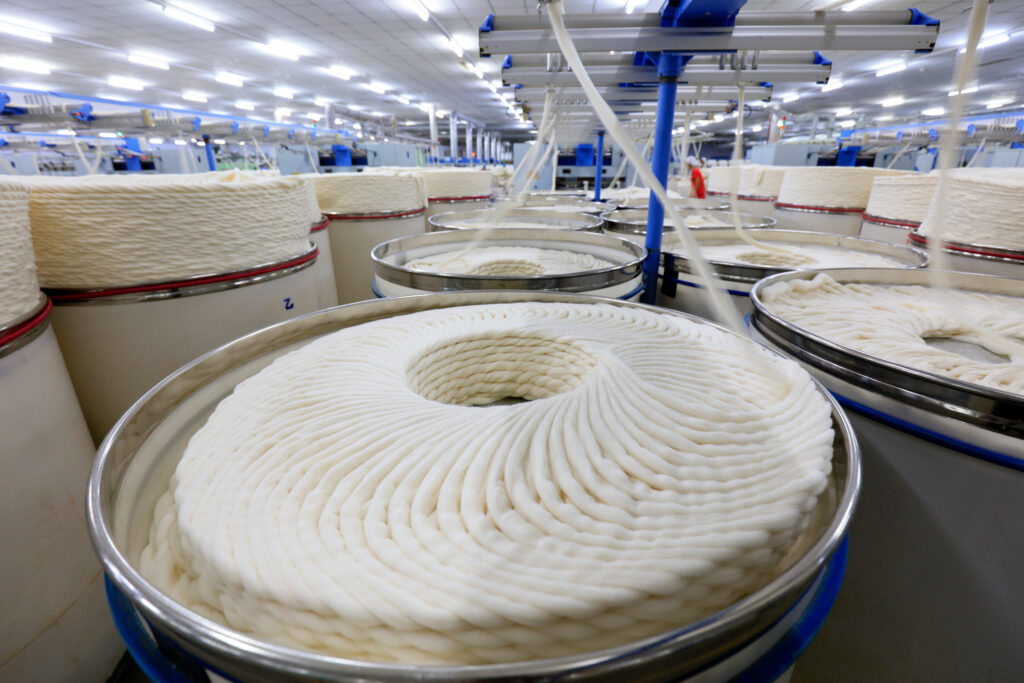
Material choices directly impact production budgets and timelines. A designer selecting Italian wool faces different lead times and price points than one choosing domestically produced cotton blends. Silk shortages can derail entire collections. Leather tariffs force quick pivots to alternative materials.
Smart designers monitor fiber markets and trade data to anticipate price fluctuations and supply disruptions. When shipping delays threaten production schedules, having vetted backup materials and suppliers becomes essential.
Consumer Influence
Modern consumers research material composition before purchasing. They ask about fiber sources, manufacturing processes, and end-of-life disposal. Brands respond with transparency initiatives, highlighting organic certifications, recycled content percentages, and supply chain traceability.
This shift has elevated previously overlooked materials. Deadstock fabrics reduce waste while offering unique textiles. Hemp and Tencel provide sustainable alternatives to conventional options. Even innovative materials like mushroom leather and lab-grown silk are moving from experimental to commercial viability.
The Design Impact
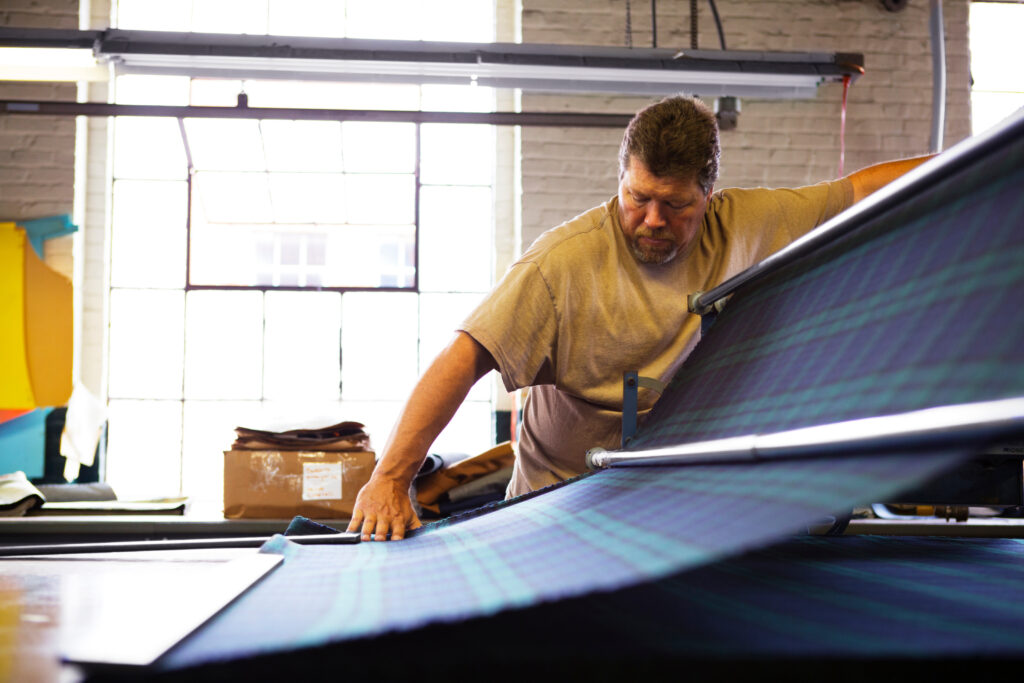
Material properties shape creative direction. A designer working with heavy wool creates different silhouettes than one draping lightweight silk. Fabric dictates construction techniques, finishing methods, and garment longevity.
The best designers understand their materials intimately—how they move, wrinkle, age, and perform across seasons and wears. This knowledge transforms fabric from a component into a design partner, guiding decisions from initial sketch to final product.
Material choices don’t just shape garments—they define brands, influence sustainability footprints, and determine whether designs succeed in today’s demanding market.